Ripple XRP CEO Brad Garlinghouse says SEC nearly forced company to shut down
During an interview with Ripple CEO Brad Garlinghouse said the company discussed closing after the U.S. Securities and Exchange Commission sued it in 2020. Brad said Ripple could have divided its XRP supply among shareholders, declared that it held no tokens, and ended the disput
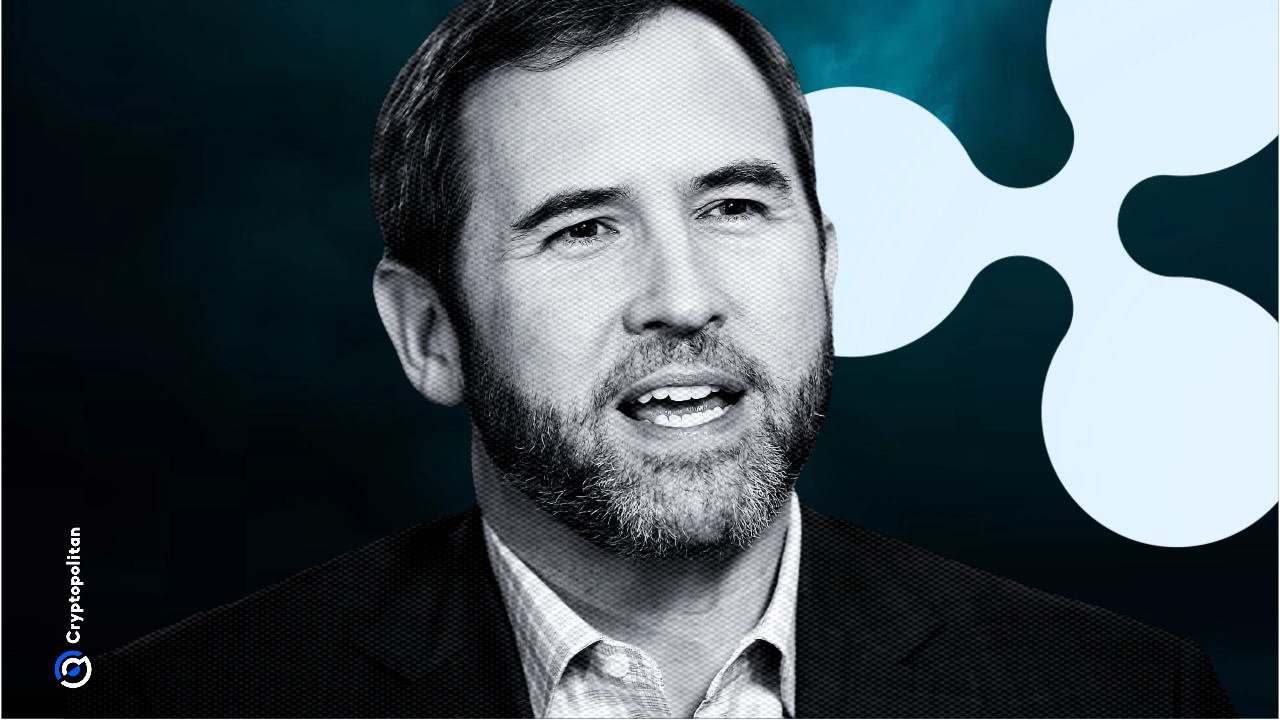
During an interview with Ripple CEO Brad Garlinghouse said the company discussed closing after the U.S. Securities and Exchange Commission sued it in 2020.
Brad said Ripple could have divided its XRP supply among shareholders, declared that it held no tokens, and ended the dispute, but they decided not to because hundreds of employees could have lost their jobs. Ripple instead spent four years in court and about $150 million on lawyers. Its U.
S. business stalled for about five years. The SEC also targeted Brad over XRP he sold.
Regulators offered to drop his case for a fine while continuing against Ripple. He refused. Ripple CEO discusses XRP, SEC lawsuit Brad said an XRP transaction usually settles in about four seconds and costs a fraction of one cent.
Ripple sells software to banks and financial institutions, not individual users. He compared XRP with Bitcoin. One Bitcoin transaction can cost around $10 and take about 10 minutes.
XRP serves another purpose. It handles payments faster, charges less, and supports more activity. Ripple uses the open-source XRP Ledger in its products.
Asked why the SEC (specifically under Gary Gensler and Joe Biden) was angry, Brad joked, “They’re jerks.” He said the issue was applying old financial laws to new technology. Brad entered the internet industry in 1994.
He pointed to rules passed in 1996, with help from Al Gore, that gave internet companies and investors clearer legal boundaries. According to Brad, the crypto companies had been asking for similar laws since most members of the industry were ready to comply but required clear limits. The SEC insisted that XRP was a security and not a currency or commodity.
Brad noted that a security tends to give its holder rights within the business entity. XRP buyers received no Ripple shares, votes, board powers, or dividends. Brad’s biggest SEC claim Ripple remains private.
It raised venture capital in 2012, 2015, and 2016 by selling actual equity. Brad compared that equity with ownin
Đọc thêm từ Tiền số / Crypto

Bellingham claps back at Tuchel, and a $JUDE meme token crashes 98% because of course it did
The incident highlights the volatility and speculative nature of meme tokens, underscoring the risks of investing based on fleeting trends. The post Bellingham claps back at Tuchel, and a $JUDE meme token crashes 98% because of course it did appeared first on Crypto Briefing.

All four 2026 World Cup semifinalists are former champions, and crypto is along for the ride
The 2026 World Cup highlights the enduring dominance of traditional football powers and signals a growing integration of crypto in global sports. The post All four 2026 World Cup semifinalists are former champions, and crypto is along for the ride appeared first on Crypto Briefin

Goldman Limits Prediction-Market Bets: Why Compliance Walls Are Coming for Event Trading
Goldman Sachs ban on finance and politics prediction bets hints at stricter oversight as the CFTC proposes event-contract reporting and the SEC widens its scope.

Iranian navy officer killed as US strikes hit Jask in escalating Strait of Hormuz standoff
The escalation in the Strait of Hormuz risks destabilizing global oil markets and heightening geopolitical tensions, impacting global security. The post Iranian navy officer killed as US strikes hit Jask in escalating Strait of Hormuz standoff appeared first on Crypto Briefing.