Iranian navy officer killed as US strikes hit Jask in escalating Strait of Hormuz standoff
The escalation in the Strait of Hormuz risks destabilizing global oil markets and heightening geopolitical tensions, impacting global security. The post Iranian navy officer killed as US strikes hit Jask in escalating Strait of Hormuz standoff appeared first on Crypto Briefing.
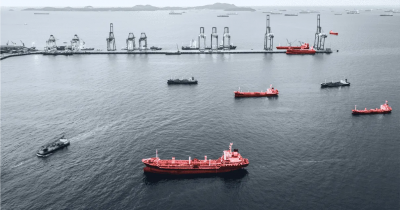
Iranian navy officer killed as US strikes hit Jask in escalating Strait of Hormuz standoff US military attacks on southern Iranian ports mark a dangerous new phase in a months-long confrontation over one of the world's most critical oil chokepoints Share Add us on Google by Editorial Team Jul. 12, 2026 An Iranian navy officer was killed during US military strikes on Jask, a port city in southern Iran that sits at the entrance to the Strait of Hormuz. The officer, identified as a member of the Islamic Revolutionary Guard Corps Navy, died from shrapnel wounds sustained during what Iranian authorities described as a defensive mission.
The strikes on Jask were part of a broader US military operation that ran from July 9 through July 11, 2026, targeting ports and military installations across southern Iran, including Bandar Abbas. Tehran vowed retaliation, framing the attacks as direct interference in a region it considers its strategic backyard. Advertisement Why Jask matters more than most people realize The Strait of Hormuz is the kind of geography that keeps energy ministers up at night.
Roughly 20% of the world’s oil supply passes through this narrow waterway, making it the single most consequential maritime chokepoint on the planet. Jask sits right at its mouth. Iran has spent years developing the port specifically as an alternative export terminal, one that would let it ship oil while bypassing the strait entirely if needed.
How we got here: a timeline of escalation The current conflict did not start in July. The thread runs back at least to March 2026, when IRGC Navy commander Alireza Tangsiri was reported killed. Tangsiri had been the central figure in Iran’s naval strategy around the Strait of Hormuz, and his death marked a significant turning point in the trajectory of hostilities.
Two months later, in May 2026, Iran claimed it had launched missile strikes against a US Navy vessel operating near Jask. US officials denied those claims, but the episode hardened positions on both sides and set the diplomatic relationship on a trajectory that left little room for de-escalation. By July, the back-and-forth had converted into direct US military action against Iranian soil.
Strikes on port infrastructure at Jask and Bandar Abbas over three consecutive days represent a qualitative shift, moving the conflict from maritime skirmishing into something that looks considerably more like conventional warfare. Disclosure: This article was edited by Editorial Team. For more information on how we create and review content, see our Editorial Policy.
POLITICS Iranian navy officer killed as US strikes hit Jask in escalating Strait of Hormuz standoff US military attacks on southern Iranian ports mark a dangerous new phase in a months-long confrontation over one of the world's most critical oil chokepoints by Editorial Team Jul. 12, 2026 Share Add us on Google An Iranian navy officer was killed during US military strikes on Jask, a port city in southern Iran that sits at the entrance to the Strait of Hormuz. The officer, identified as a member of the Islamic Revolutionary Guard Corps Navy, died from shrapnel wounds sustained during what Iranian authorities described as a defensive mission.
The strikes on Jask were part of a broader US military operation that ran from July 9 through July 11, 2026, targeting ports and military installations across southern Iran, including Bandar Abbas. Tehran vowed retaliation, framing the attacks as direct interference in a region it considers its strategic backyard. Advertisement Why Jask matters more than most people realize The Strait of Hormuz is the kind of geography that keeps energy ministers up at night.
Roughly 20% of the world’s oil supply passes through this narrow waterway, making it the single most consequential maritime chokepoint on the planet. Jask sits right at its mouth. Iran has spent years developing the port specifically as an alternative export terminal, one that would let it ship oil while bypassing the strait entirely if needed.
How we got here: a timeline of escalation The current conflict did not start in July. The thread runs back at least to March 2026, when IRGC Navy commander Alireza Tangsiri was reported killed. Tangsiri had been the central figure in Iran’s naval strategy around the Strait of Hormuz, and his death marked a significant turning point in the trajectory of hostilities.
Two months later, in May 2026, Iran claimed it had launched missile strikes against a US Navy vessel operating near Jask. US officials denied those claims, but the episode hardened positions on both sides and set the diplomatic relationship on a trajectory that left little room for de-escalation. By July, the back-and-forth had converted into direct US military action against Iranian soil.
Strikes on port infrastructure at Jask and Bandar Abbas over three consecutive days represent a qualitative shift, moving the conflict from maritime skirmishing into something that looks considera
Đọc thêm từ Tiền số / Crypto

Nvidia investors need to pay attention on July 16
Nvidia's strategic engagement in China amid export restrictions highlights the growing importance of sovereign AI and decentralized computing. The post Nvidia investors need to pay attention on July 16 appeared first on Crypto Briefing.
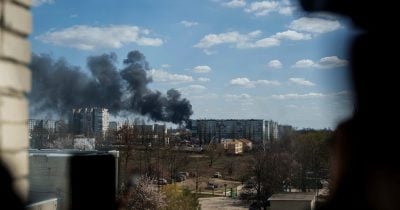
Russian strike near Sumy coffee shop causes panic, civilian flight
The escalation in Sumy underscores the persistent threat to Ukrainian defenses and highlights the stalled diplomatic efforts amid ongoing conflict. The post Russian strike near Sumy coffee shop causes panic, civilian flight appeared first on Crypto Briefing.

US government moves to restrict Chinese open-weight AI models after repeated distillation warnings
US restrictions on Chinese AI models may inadvertently boost decentralized AI and crypto markets, challenging regulatory control efforts. The post US government moves to restrict Chinese open-weight AI models after repeated distillation warnings appeared first on Crypto Briefing.

Senegal fires head coach Pape Thiaw after World Cup exit, exposing a football federation in crisis
Senegal's coaching change highlights deeper systemic issues within its football federation, risking future competitiveness and financial stability. The post Senegal fires head coach Pape Thiaw after World Cup exit, exposing a football federation in crisis appeared first on Crypto