Ripple XRP CEO Brad Garlinghouse says SEC nearly forced company to shut down
During an interview with Ripple CEO Brad Garlinghouse said the company discussed closing after the U.S. Securities and Exchange Commission sued it in 2020. Brad said Ripple could have divided its XRP supply among shareholders, declared that it held no tokens, and ended the disput
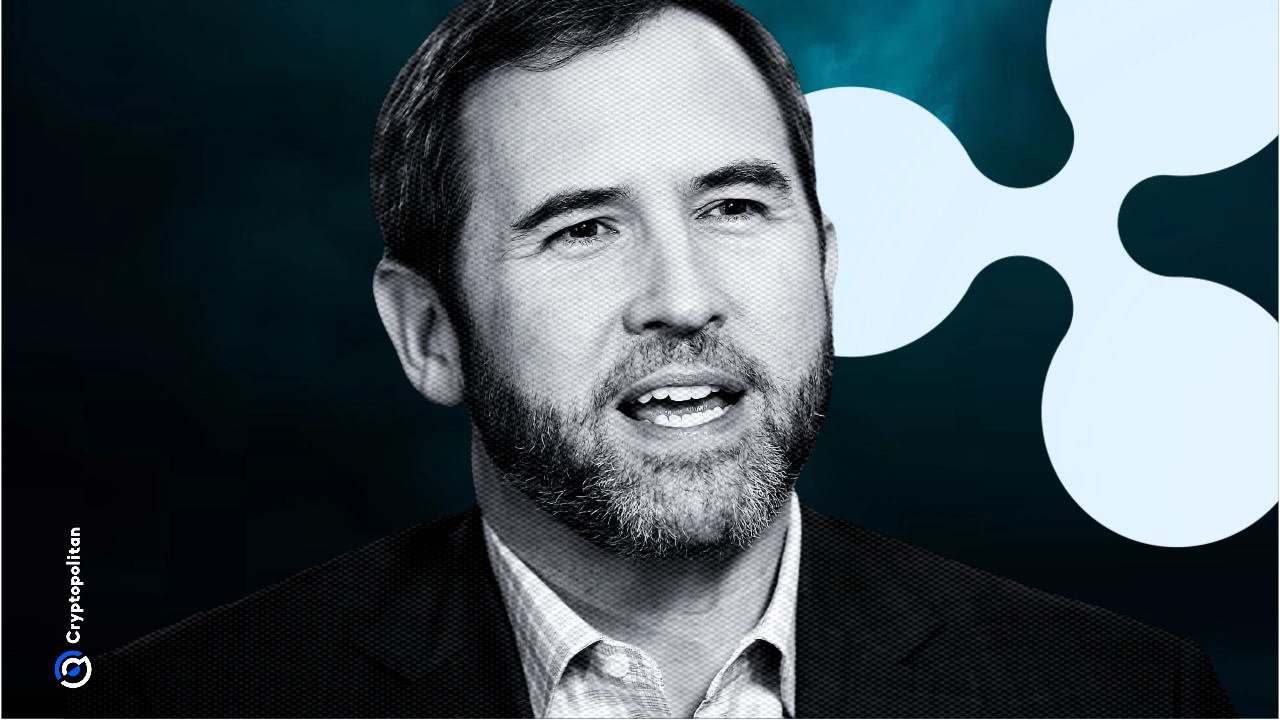
During an interview with Ripple CEO Brad Garlinghouse said the company discussed closing after the U.S. Securities and Exchange Commission sued it in 2020.
Brad said Ripple could have divided its XRP supply among shareholders, declared that it held no tokens, and ended the dispute, but they decided not to because hundreds of employees could have lost their jobs. Ripple instead spent four years in court and about $150 million on lawyers. Its U.
S. business stalled for about five years. The SEC also targeted Brad over XRP he sold.
Regulators offered to drop his case for a fine while continuing against Ripple. He refused. Ripple CEO discusses XRP, SEC lawsuit Brad said an XRP transaction usually settles in about four seconds and costs a fraction of one cent.
Ripple sells software to banks and financial institutions, not individual users. He compared XRP with Bitcoin. One Bitcoin transaction can cost around $10 and take about 10 minutes.
XRP serves another purpose. It handles payments faster, charges less, and supports more activity. Ripple uses the open-source XRP Ledger in its products.
Asked why the SEC (specifically under Gary Gensler and Joe Biden) was angry, Brad joked, “They’re jerks.” He said the issue was applying old financial laws to new technology. Brad entered the internet industry in 1994.
He pointed to rules passed in 1996, with help from Al Gore, that gave internet companies and investors clearer legal boundaries. According to Brad, the crypto companies had been asking for similar laws since most members of the industry were ready to comply but required clear limits. The SEC insisted that XRP was a security and not a currency or commodity.
Brad noted that a security tends to give its holder rights within the business entity. XRP buyers received no Ripple shares, votes, board powers, or dividends. Brad’s biggest SEC claim Ripple remains private.
It raised venture capital in 2012, 2015, and 2016 by selling actual equity. Brad compared that equity with ownin
Đọc thêm từ Tiền số / Crypto
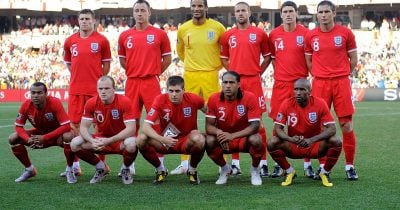
Every England goal at 2026 World Cup scored by players outside the Premier League
England's reliance on non-Premier League players highlights the global talent dispersion and may influence future transfer market dynamics. The post Every England goal at 2026 World Cup scored by players outside the Premier League appeared first on Crypto Briefing.

Qatar condemns attacks amid escalating 2026 Iran conflict
The escalation threatens regional stability, potentially derailing diplomatic efforts and impacting geopolitical and market dynamics significantly. The post Qatar condemns attacks amid escalating 2026 Iran conflict appeared first on Crypto Briefing.
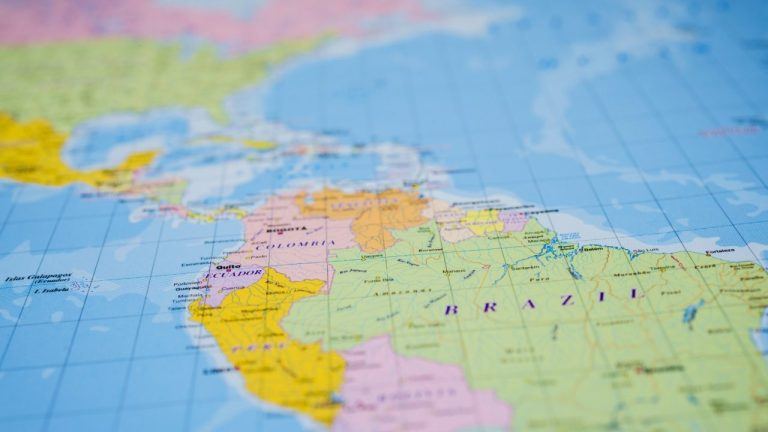
Latam Insights: Inside Tether’s $20M Bet on Brazil, Operation Veil of Maya, and the Stablecoin Hold Dispute
Welcome to Latam Insights, a compilation of the most relevant crypto news from Latin America over the past week. In this edition, Tether backs Mercado Bitcoin with $10 million, Brazilian police attack an illegal crypto betting ring, and the 24-hour hold period for stablecoin tran

Qatar condemns Iranian assaults on its land and other Arab nations amid 2026 Iran war
The escalation of Iranian attacks risks destabilizing the Middle East, potentially leading to internal dissent and impacting regional security. The post Qatar condemns Iranian assaults on its land and other Arab nations amid 2026 Iran war appeared first on Crypto Briefing.