US Secretary of War Pete Hegseth says Israel’s Beirut strike won’t disrupt Iran deal plans
The US's diplomatic strategy, using military actions as leverage, may stabilize negotiations but risks escalating regional tensions and market volatility. The post US Secretary of War Pete Hegseth says Israel’s Beirut strike won’t disrupt Iran deal plans appeared first on Crypto
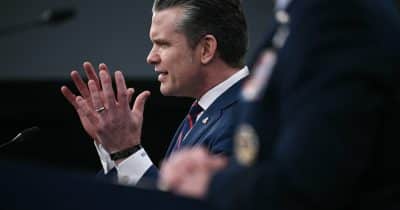
US Secretary of War Pete Hegseth says Israel’s Beirut strike won’t disrupt Iran deal plans Hegseth frames military operations as negotiation leverage, not escalation, as US-Iran nuclear talks continue Share Add us on Google by Editorial Team Jun. 14, 2026 Israel launched airstrikes on Hezbollah positions in the Beirut suburbs on June 14, and the US response was essentially: nothing to see here, diplomacy is still on track. US Secretary of War Pete Hegseth said the Israeli military action would not derail ongoing negotiations between Washington and Tehran over a nuclear deal.
Military force as diplomatic currency Earlier in June, the Secretary tied US strikes on Iranian facilities directly to the nuclear negotiations, framing them not as provocations but as pressure tools designed to extract better terms from Tehran. Advertisement Hegseth has described US military operations as a means to “set the terms” for a nuclear agreement. That framing positions every airstrike, every naval deployment, every show of force as a chapter in a larger diplomatic narrative rather than a standalone act of aggression.
The broader chessboard A 10-day ceasefire between Israel and Lebanon was established back in April 2026, during a period when US-Iran negotiations were already unfolding. The June 14 strikes suggest that breathing room has gotten rather cramped. The US has been using a combination of strikes and blockades to dictate the terms of a deal aimed at restricting Iran’s access to nuclear weapons.
What this means for markets and investors Energy markets are the most obvious pressure point. Any escalation that threatens oil supply chains or shipping routes through the region tends to push crude prices higher, which cascades through virtually every other asset class. The current discourse around these military operations and diplomatic efforts has been almost entirely focused on traditional geopolitical frameworks.
There’s been no meaningful discussion of digital assets, sanctions evasion through crypto channels, or any of the blockchain-adjacent themes that sometimes surface during Middle Eastern conflicts. This suggests that traders and institutional investors are processing these events through a conventional lens. Oil prices, defense stocks, safe-haven assets like gold and US Treasuries are the instruments getting the attention.
Crypto is a secondary consideration, reacting to broader risk sentiment rather than driving it. Disclosure: This article was edited by Editorial Team. For more information on how we create and review content, see our Editorial Policy.
MACRO US Secretary of War Pete Hegseth says Israel’s Beirut strike won’t disrupt Iran deal plans Hegseth frames military operations as negotiation leverage, not escalation, as US-Iran nuclear talks continue by Editorial Team Just now ago Share Add us on Google Israel launched airstrikes on Hezbollah positions in the Beirut suburbs on June 14, and the US response was essentially: nothing to see here, diplomacy is still on track. US Secretary of War Pete Hegseth said the Israeli military action would not derail ongoing negotiations between Washington and Tehran over a nuclear deal. Military force as diplomatic currency Earlier in June, the Secretary tied US strikes on Iranian facilities directly to the nuclear negotiations, framing them not as provocations but as pressure tools designed to extract better terms from Tehran.
Advertisement Hegseth has described US military operations as a means to “set the terms” for a nuclear agreement. That framing positions every airstrike, every naval deployment, every show of force as a chapter in a larger diplomatic narrative rather than a standalone act of aggression. The broader chessboard A 10-day ceasefire between Israel and Lebanon was established back in April 2026, during a period when US-Iran negotiations were already unfolding.
The June 14 strikes suggest that breathing room has gotten rather cramped. The US has been using a combination of strikes and blockades to dictate the terms of a deal aimed at restricting Iran’s access to nuclear weapons. What this means for markets and investors Energy markets are the most obvious pressure point.
Any escalation that threatens oil supply chains or shipping routes through the region tends to push crude prices higher, which cascades through virtually every other asset class. The current discourse around these military operations and diplomatic efforts has been almost entirely focused on traditional geopolitical frameworks. There’s been no meaningful discussion of digital assets, sanctions evasion through crypto channels, or any of the blockchain-adjacent themes that sometimes surface during Middle Eastern conflicts.
This suggests that traders and institutional investors are processing these events through a conventional lens. Oil prices, defense stocks, safe-haven assets like gold and US Treasuries are the instruments getting the attention. Crypto is a secondary consideration, react
Đọc thêm từ Tiền số / Crypto

Arsenal’s Bitpanda partnership stays in spotlight as Eze’s penalty miss dominates headlines
Eze's resilience amid high-pressure moments could enhance Bitpanda's brand narrative, highlighting the synergy between sports and crypto marketing. The post Arsenal’s Bitpanda partnership stays in spotlight as Eze’s penalty miss dominates headlines appeared first on Crypto Briefi
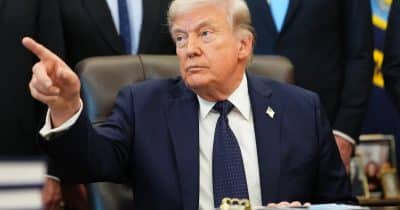
Donald Trump calls for Israel to cease attacks in Lebanon, rattling markets and diplomacy
Trump's call for a ceasefire highlights the complex interplay between geopolitical tensions and market dynamics, affecting global risk perceptions. The post Donald Trump calls for Israel to cease attacks in Lebanon, rattling markets and diplomacy appeared first on Crypto Briefing

US Central Command redirects 142 ships, disables nine under Iran blockade as crypto becomes sanctions battleground
The US's strategic blockade and crypto asset seizures heighten economic tensions, potentially reshaping global trade and digital finance norms. The post US Central Command redirects 142 ships, disables nine under Iran blockade as crypto becomes sanctions battleground appeared fir

Iran squad receives cheerful send-off in Tijuana ahead of World Cup opener
Iran's warm reception in Tijuana highlights the power of sports diplomacy, fostering cross-border unity amid geopolitical challenges. The post Iran squad receives cheerful send-off in Tijuana ahead of World Cup opener appeared first on Crypto Briefing.