The benefits of skin-to-skin contact with your baby, according to an expert
Born relatively helpless, infants rely on caregivers not just for food and safety, but for something equally essential: touch
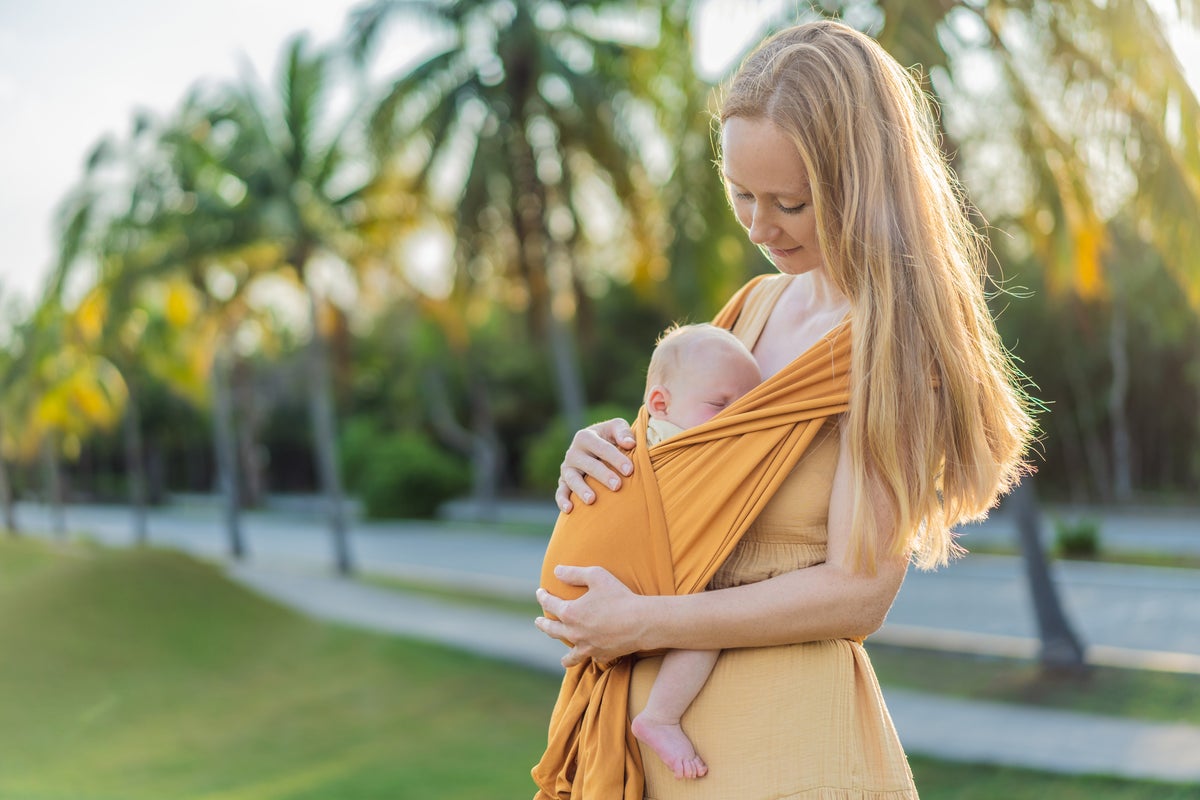
From the moment they enter the world, human babies depend on others in a way that is unmatched across most species.Born relatively helpless, infants rely on caregivers not just for food and safety, but for something equally essential: touch. More than a simple comfort, physical closeness plays a powerful role in shaping a child’s development and the relationship they build with their caregivers.
With babywearing — using slings, wraps or structured carriers — caregivers can keep their babies close while going about daily activities.open image in galleryWith babywearing — using slings, wraps or structured carriers — caregivers can keep their babies close while going about daily activities (Getty Images)Babywearing is not a new trend. It is an ancient practice found across cultures for thousands of years.
What is new, however, is the growing scientific interest in its benefits.The power of touchTouch is the first sense to develop in humans, and by birth it is already highly refined. For newborns, being held is not a luxury; it is a biological necessity.
When nestled against a caregiver’s body, babies feel regulated and secure. Their bodies relax, their heart rates stabilize and they begin learning the rhythms of the person caring for them.This closeness doesn’t just affect infants.
It transforms caregivers as well. Physical contact, especially skin-to-skin contact, triggers the release of oxytocin, often called the “bonding hormone.”Physical closeness strengthens emotional connections, reduces stress and can even lower the risk of postpartum depression.
In other words, holding your baby doesn’t just feel good, it actively builds the relationship in both directions.open image in galleryTouch is the first sense to develop in humans, and by birth it is already highly refined (Getty Images)Attuning to your babyClose physical contact also helps caregivers become more attuned to their babies. When a baby is nearby, resting on a chest or carried against the body, it becomes easier to notice subtle signals: a shift in breathing, a small movement or the first signs of hunger or fatigue.
This sensitivity improves responsiveness, one of the key ingredients of healthy attachment.Decades of developmental research show that responsive caregiving — where adults consistently meet an infant’s needs — supports emotional security and long-term well-being. Physical closeness makes that responsiveness easier and more intuitive.
Decline of contact in western parentingBabywearing emerged as a deeply rooted evolutionary adaptation, and its development is tightly linked to the rise of humans walking upright on two feet. Historically, babies spent most of their time in close contact with caregivers.In many cultures today, infants are still carried or held for the majority of the day.
By contrast, in many western societies, babies may only be in direct physical contact with caregivers about 18 per cent of the time.Modern parenting tools — like such as strollers, cribs, swings and car seats — offer convenience and safety, but they also create distance. While these devices are often necessary, they can unintentionally reduce opportunities for interaction and bonding.
This shift raises an important question: Where these devices are frequently used, can we bring some of that closeness back into everyday life in a practical way?Skin-to-skin: a powerful beginningOne well-established approach is skin-to-skin care, sometimes called “kangaroo care.” This involves placing a newborn directly against a caregiver’s bare chest.
Initially developed for premature infants as an alternative to incubators, it has since become a widely recommended practice for all babies.Research shows that skin-to-skin care helps regulate infants’ temperature and heart rate, reduces stress and pain, improves breastfeeding success and strengthens parent–child bonding. It also benefits caregivers by improving mood and reducing anxiety.
Health organizations and pediatric experts now recommend initiating skin-to-skin contact immediately after birth and continuing it regularly throughout infancy.Babywearing researchWhile skin-to-skin care is often practiced in quiet, private moments, babywearing offers a way to maintain closeness throughout the day. Like skin-to-skin contact, babywearing allows infants to remain in close proximity to caregivers.
Even with clothing between them, the physical closeness appears to promote many of the same positive outcomes.Although research on babywearing is still emerging, early findings are promising. Studies suggest that babies who are carried more frequently tend to cry less and are calmer, particularly during the evening hours.
They may also show more vocalizations and improved early communication.For caregivers, babywearing has been linked to increased responsiveness and more positive interactions. Being physically close allows parents to pick up on cues more quickly and respond in real time.
Some studies even suggest that babywearing supports sec
Đọc thêm từ Thế giới

Roklubben med minnemarkering for Tufte: – Betyr ufattelig mye
Torsdag kveld arrangerte Olaf Tuftes roklubb en minnemarkering for å hedre den avdøde idrettslegenden.

Karnataka Deputy Chief Minister G. Parameshwara writes to Modi seeking replacement of NEET with State CETs
The Deputy Chief Minister appeals to the Prime Minister to provide a compensation of at least ₹1 crore to the families of students who ended their lives owing to the NEET paper leak and the “systemic failures” that followed.

Vatican appointed new UST Central Seminary rector
The University of Santo Tomas welcomes the appointment of a new rector for the UST Central Seminary in Manila.
555 cases pending against sitting/former MPs, MLAs in Kerala
Court observes that data provided by the High Court administration is in variance with the report by the State Police Chief, which cited 256 pending cases. It directs SPC to correct the statistics