Super El Nino will hit women the hardest, charity warns: ‘We should be very worried’
The head of CARE International in East and Southern Africa warns that this year's super El Niño will hit women across the region more than anyone else, at a time when they are already bearing the brunt of foreign aid cuts
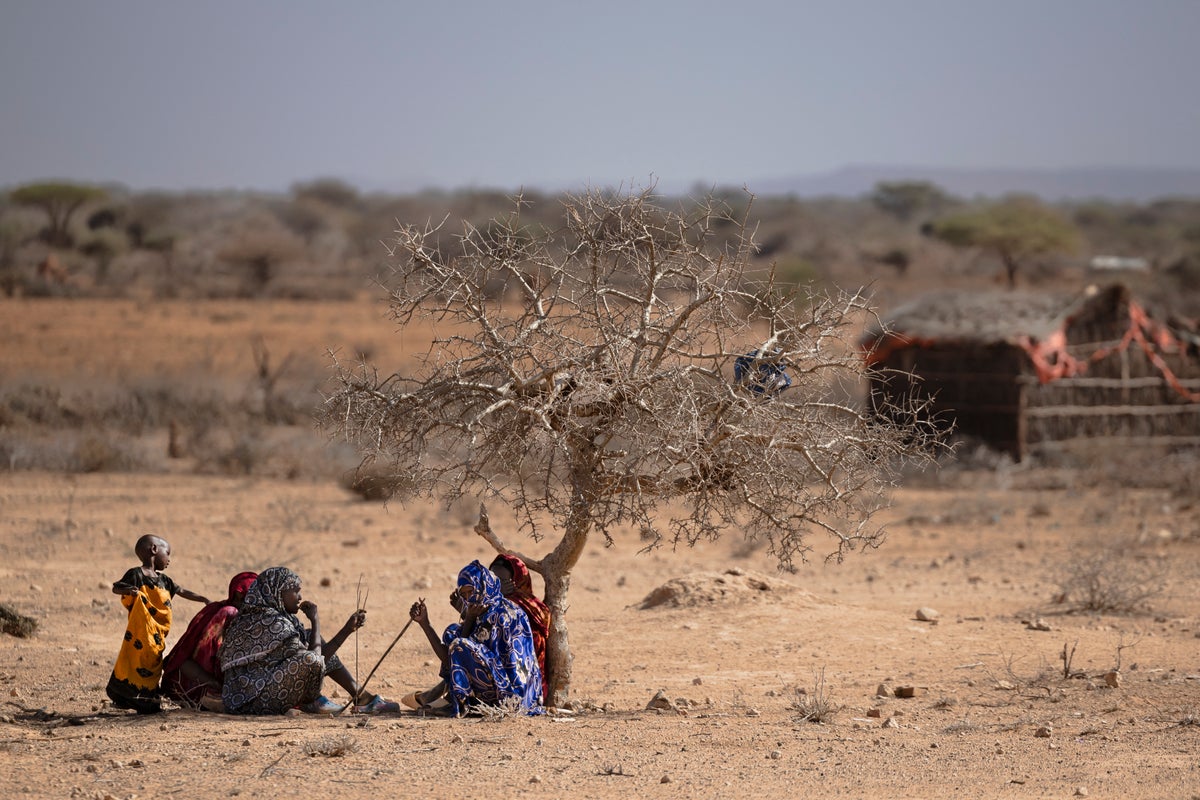
This year’s ”super” El Niño climate will hit women the hardest, the regional director of one of the world’s largest women’s charities has told The Independent in a new interview. Walter Mwasaa, the regional director for CARE International in East and Southern Africa, also revealed just how significant aid cuts from the US have turned out to be 18 months after they first hit, describing how they, too, have particularly impacted women. “We should be very worried about the coming super El Niño, and we should absolutely be viewing it as a women’s health problem,” said Mr Mwasaa, who oversees programmes in 12 countries across the region.
“As with war, and as with Ebola, it is women in communities who are going to struggle the most. In both rural and urban areas, it is they that will face the biggest health challenges, and also they who bear the burden of taking care of families and households.”El Niño is a naturally occurring climate phenomenon triggered by unusually warm sea surface temperatures in the Pacific Ocean, which result in regional droughts in some parts of the world, and increased rainfall in others.
This year’s event is set to be more severe due to a particularly high forecasted temperature rise, as well as the climate crisis further exacerbating weather patterns.Across the countries that Mr Mwasaa oversees, Northern countries including Tanzania, Kenya, Ethiopia and Somalia are set to see an increase in severe rainfall, while those to the South – including Malawi, Mozambique, Zimbabwe, and Madagascar – are set to experience intense droughts.The Independent has previously reported how the super El Niño poses a critical threat to the world’s 500 million smallholder farmers, with global agricultural output projected to take a $342bn (£260bn) hit.
Both incomes and food security in the African continent are set to be threatened as a result. open image in galleryVillagers inspect the damage after the devastating floods that hit Mozambique earlier this yearMr Mwasaa’s belief that women will bear the brunt of these impacts is increasingly supported by research. Climate-induced disasters result in a 40 per cent rise in child marriage in Bangladesh, according to one paper, while droughts in Somaliland are forcing girls into hours-long water walks instead of school.
It is well known, too, that depleted household savings post-disaster will typically mean sons' education are prioritised over that of daughters, while during times of poor harvest, pregnant women and babies continue to require dietary diversity in a way that other members of the community do not. The Independent has also reported how weather conditions including extreme heat are increasingly becoming major health problems for pregnant women around the world as the climate crisis intensifies. “Mothers will usually work the hardest to provide food, and she will be allowed less rest, and she will typically eat last,” said Mr Mwasaa.
There was a story circulating some time ago, he added, of a woman being forced to give birth in a tree during floods in Mozambique. “At a time when floods like that are coming every couple of years now due to the climate crisis, and health centres across the region are closing, stories like this will become more and more common,” he said.Climate adaptation is also diverting resources from programmes designed to improve women's economic opportunities.
“What we really want to do is to graduate countries from being dependent on food relief, to supporting them in areas such as accessing markets, education, and improved farming practices,” said Mr Mwasaa. “If we are stuck having to provide emergency relief following climate disasters or spending money on things like climate-resilient seeds, then women and girls will have less opportunities.” Devastation of aid cutsThe threat to women and girls from the super El Niño also comes at a time when CARE has seen its programming across East and Southern Africa gutted as a result of foreign aid cuts.
CARE's East and Southern Africa budget is expected to fall from around $250m in 2024 to just $140m for the 2027 financial year.Ethiopia used to have programming worth $130m, he added, but this is only worth $15m in 2027, while the only country to so far receive direct foreign aid from the US for 2027 is Malawi, to the tune of $8m.In Somalia, some 50 CARE-supported health and nutrition centres have closed since January 2026, at a time when two million children are currently acutely malnourished, including nearly 500,000 suffering from severe acute malnutrition, which is a life-threatening condition.
CARE nurses are reporting a sharp influx of pregnant women arriving at remaining health facilities completely exhausted and dehydrated, Mr Mwasaa said, with many having walked for days without food or water seeking care that is no longer guaranteed. open image in galleryDeeqo Maxamuud Jaamac, a 35-year-old mother of seven, who has been forced to flee her village in Somalia this year after losing
Đọc thêm từ Thế giới
Nothing to suggest Widdecombe killing was politically motivated, police say
Devon and Cornwall Police are not looking for anyone else in connection with her death.

“산재 줄이자는 교섭이 원청에 무리한 요구냐”
본문사회노동“산재 줄이자는 교섭이 원청에 무리한 요구냐”권효중기자수정 2026-07-12 19:30펼침0:00Your browser does not support theaudio element.구글 선호 매체 등록이주안 플랜트노조 위원장 인터뷰 원청 11곳 사용자성 인정에도 교섭에 나서는 곳 ‘0곳’노란봉투법 등 법적 제도 무색…다음달 총파업 예고지난 6일 오전 이주안 민주노총 전국플랜트건설노동조합 위원장이 한겨레와 인터뷰를 하고 있다.
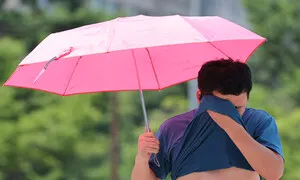
“아침 7시 밭에 갔다가 40분 만에 돌아와…숨막혀 큰일 날 뻔”
본문사회환경“아침 7시 밭에 갔다가 40분 만에 돌아와…숨막혀 큰일 날 뻔”최원형기자수정 2026-07-12 19:31펼침0:00Your browser does not support theaudio element.구글 선호 매체 등록폭염중대경보 발령 땐 실외활동 멈추고 이동 권고 지난 11일까지 올해 온열질환자 636명…
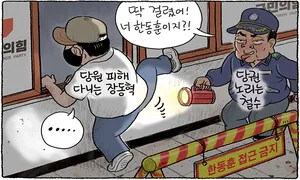
7월 13일 한겨레 그림판
본문만화한겨레그림판7월 13일 한겨레 그림판권범철기자수정 2026-07-12 19:42펼침구글 선호 매체 등록광고권범철 기자 kartoon@hani.co.kr■ 한겨레 그림판 바로가기권범철 기자다른 기사 어떠세요구독한겨레신문 신청하기오늘도 진실 보도를 이어가겠습니다.