Crypto Exchange Insurance Funds: What They Actually Cover
Exchange insurance funds mostly back derivatives losses, not hacks or insolvency. See how Binance SAFU, Coinbase, and OKX protections actually work and what’s excluded.
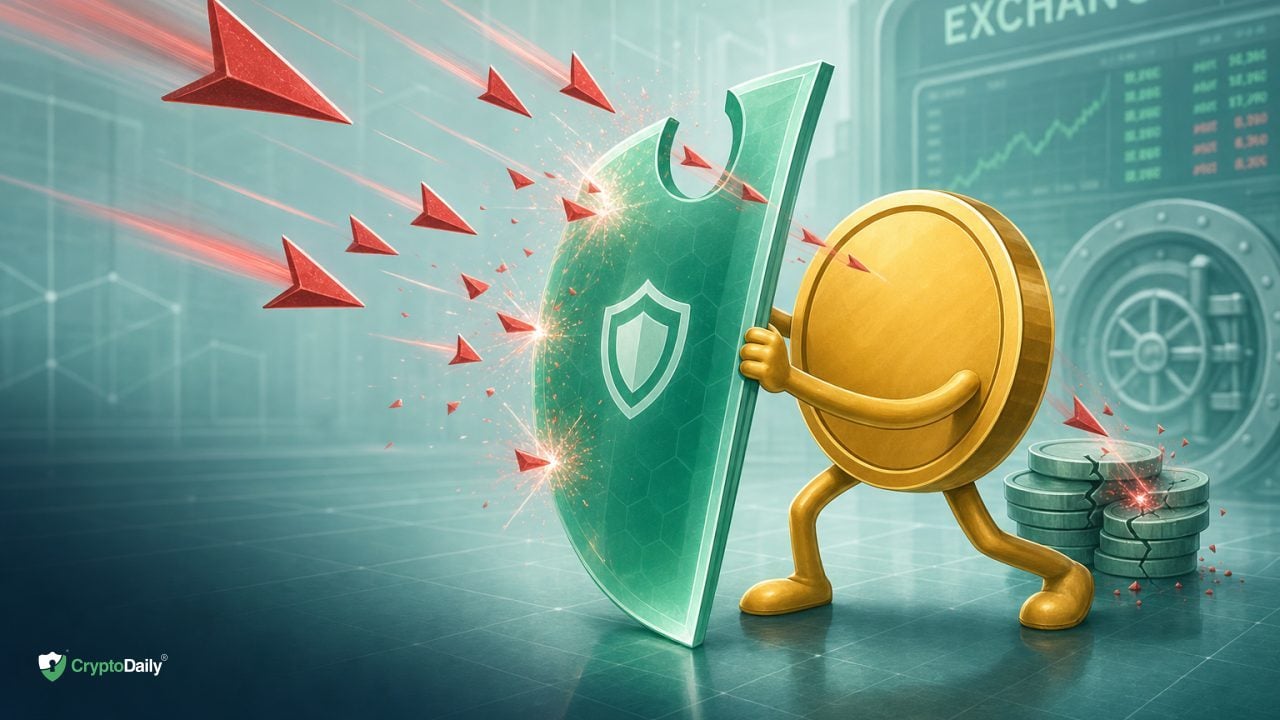
You’ve probably seen the banner: “Insurance fund” or “SAFU” splashed across an exchange page. Sounds comforting. But what does it really mean if something goes wrong?
Short answer: most of the time, it’s not the kind of insurance people imagine. It’s usually a trading backstop. The details matter a lot, and they’re buried in docs almost nobody reads.
Let’s unpack how these funds work, what they don’t cover, and how to sanity-check claims before you park serious money on a platform. Point Details Derivatives backstop, not deposit insurance Most “insurance funds” on exchanges exist to absorb liquidation losses and reduce auto-deleveraging in futures markets, not to cover hacks or insolvency. Platform “protection funds” are discretionary Pools like SAFU are typically controlled by the exchange and paid at its discretion; they’re not regulated guarantees or customer-segregated trusts.
Crime insurance is narrow Some platforms carry third-party “crime” policies for a portion of hot wallets, but these don’t cover individual account breaches or market losses (Coinbase). No FDIC/SIPC for crypto U.S.
bank-style protections (FDIC) and brokerage SIPC coverage don’t apply to crypto assets held at exchanges (FDIC; SIPC). Read the caps and exclusions Coverage limits, asset types, hot vs cold storage, and “we may, at our discretion” clauses decide what actually gets paid, and when. What exchange insurance funds usually are There are three very different things people call “insurance” around exchanges.
Mixing them up causes nasty surprises. 1) Derivatives insurance funds (the liquidation backstop) On futures platforms, an insurance fund is a pot of assets used to cover losses when liquidations can’t fully close at the bankruptcy price. It’s there to prevent or reduce auto-deleveraging from hitting winning traders.
Think of it as plumbing for leveraged markets, not protection for your spot wallet. Exchanges like OKX and Deribit document this role clearly (OKX; Deribit). These funds a
Đọc thêm từ Tiền số / Crypto

Senate Democrats press Meta on AI safeguards as crypto scam losses mount
Stricter AI content rules could reshape crypto marketing, increasing costs and driving demand for advanced fraud detection and identity tools. The post Senate Democrats press Meta on AI safeguards as crypto scam losses mount appeared first on Crypto Briefing.
US Treasury reportedly keeping bond auction sizes steady to avoid pre-election market chaos
The Treasury's steady bond auction approach mitigates pre-election market volatility, but looming debt challenges may pressure future strategies. The post US Treasury reportedly keeping bond auction sizes steady to avoid pre-election market chaos appeared first on Crypto Briefing
Solana users transact nearly $4B on WalletConnect in H1 2026
Solana's $4B WalletConnect activity in H1 2026 highlights its growing DeFi ecosystem, but reliance on few protocols poses concentration risks. The post Solana users transact nearly $4B on WalletConnect in H1 2026 appeared first on Crypto Briefing.

SpaceX seeks spectrum to compete with mobile carriers in urban markets
SpaceX's entry into urban wireless markets could disrupt existing telecom dynamics, intensifying competition and impacting industry margins. The post SpaceX seeks spectrum to compete with mobile carriers in urban markets appeared first on Crypto Briefing.