Crypto Exchange Insurance Funds: What They Actually Cover
Exchange insurance funds mostly back derivatives losses, not hacks or insolvency. See how Binance SAFU, Coinbase, and OKX protections actually work and what’s excluded.
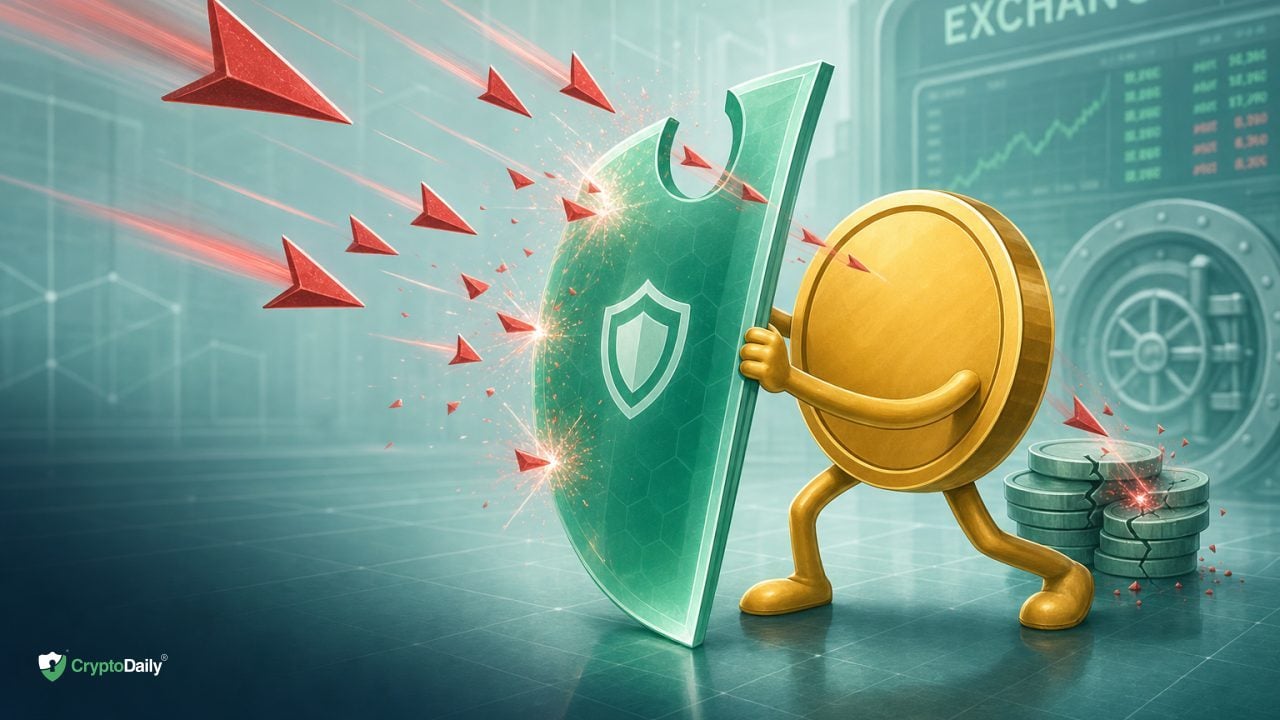
You’ve probably seen the banner: “Insurance fund” or “SAFU” splashed across an exchange page. Sounds comforting. But what does it really mean if something goes wrong?
Short answer: most of the time, it’s not the kind of insurance people imagine. It’s usually a trading backstop. The details matter a lot, and they’re buried in docs almost nobody reads.
Let’s unpack how these funds work, what they don’t cover, and how to sanity-check claims before you park serious money on a platform. Point Details Derivatives backstop, not deposit insurance Most “insurance funds” on exchanges exist to absorb liquidation losses and reduce auto-deleveraging in futures markets, not to cover hacks or insolvency. Platform “protection funds” are discretionary Pools like SAFU are typically controlled by the exchange and paid at its discretion; they’re not regulated guarantees or customer-segregated trusts.
Crime insurance is narrow Some platforms carry third-party “crime” policies for a portion of hot wallets, but these don’t cover individual account breaches or market losses (Coinbase). No FDIC/SIPC for crypto U.S.
bank-style protections (FDIC) and brokerage SIPC coverage don’t apply to crypto assets held at exchanges (FDIC; SIPC). Read the caps and exclusions Coverage limits, asset types, hot vs cold storage, and “we may, at our discretion” clauses decide what actually gets paid, and when. What exchange insurance funds usually are There are three very different things people call “insurance” around exchanges.
Mixing them up causes nasty surprises. 1) Derivatives insurance funds (the liquidation backstop) On futures platforms, an insurance fund is a pot of assets used to cover losses when liquidations can’t fully close at the bankruptcy price. It’s there to prevent or reduce auto-deleveraging from hitting winning traders.
Think of it as plumbing for leveraged markets, not protection for your spot wallet. Exchanges like OKX and Deribit document this role clearly (OKX; Deribit). These funds a
Đọc thêm từ Tiền số / Crypto

US House Democrat questions Elon Musk on xAI data center pollution near vulnerable communities
The scrutiny of xAI's data centers highlights the tension between technological advancement and environmental justice, emphasizing regulatory accountability. The post US House Democrat questions Elon Musk on xAI data center pollution near vulnerable communities appeared first on

Bloomberg acquires Canoe Intelligence to enhance data solutions for private markets
Bloomberg's acquisition of Canoe Intelligence could revolutionize private market data handling, enhancing efficiency and attracting institutional investors. The post Bloomberg acquires Canoe Intelligence to enhance data solutions for private markets appeared first on Crypto Brief

Fed rate statement released following FOMC meeting
The Fed's pause in rate changes may stabilize market expectations, but future economic indicators will heavily influence upcoming decisions. The post Fed rate statement released following FOMC meeting appeared first on Crypto Briefing.

Nvidia backs Reflection AI with $800M to lead in open-source AI, but where’s the model?
Reflection AI's strategic focus on open-weight models could reshape AI geopolitics, emphasizing domestic innovation and enterprise applications. The post Nvidia backs Reflection AI with $800M to lead in open-source AI, but where’s the model? appeared first on Crypto Briefing.