Which plants to save – and which to sacrifice – if you’re under a hosepipe ban
Some plants will bounce back from a summer scorching, while others may never recover
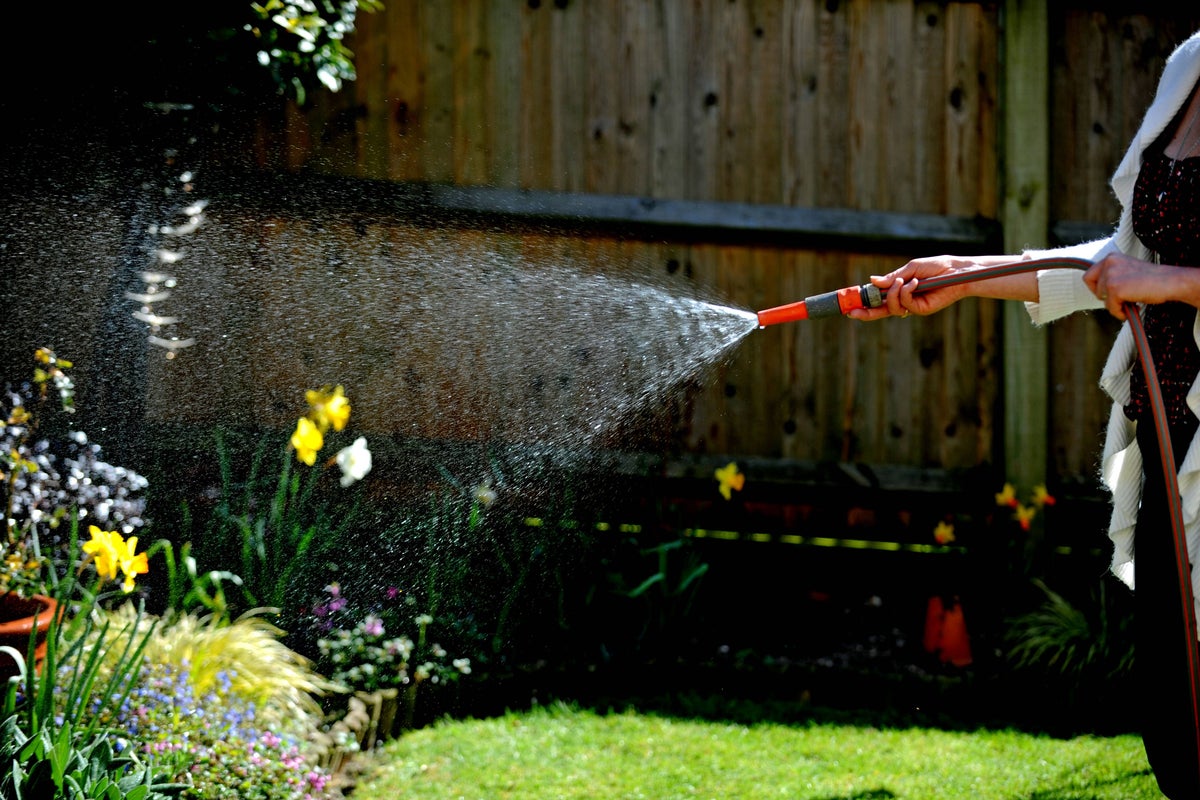
With hosepipe bans in force across several English regions and more restrictions likely to follow, gardeners face some tough choices. When every drop counts, which plants deserve your precious water from the water butt, and which should you leave to fend for themselves? As someone who has researched how British gardeners need to adapt to respond to our changing climate, I can tell you that not all garden plants are created equal when it comes to water needs.
Some plants will bounce back from a summer scorching, while others may never recover.Top plants to prioritise for wateringopen image in galleryHydrangeas adopt a conservative strategy when it comes to drought (Alamy/PA)1. New woody plantsAny woody plant installed in the last 12-18 months should be your absolute priority.
These haven’t yet developed the deep root systems needed to find moisture reserves and going without enough water the first year or so after planting could kill them.Water thoroughly and add a deep mulch of wood chips to help the soil hold water. For young trees you can install a watering bag around the trunk but you still need to top it up.
2. HydrangeasHydrangeas adopt a conservative strategy when it comes to drought. They shut their stomata (leaf pores) rapidly when they sense dry soil, and keep them closed until consistent moisture returns.
They often drop their leaves too.This can mean many weeks without growth, after even a relatively short drought period. So if you want to keep them looking at their best, they need consistent watering.
You can cut growth back to reduce water loss, and save the the plant at the cost of flowers.3. Moisture loving treesJapanese maples (Acer palmatum), along with other moisture-loving trees like birch and beech, are prone to serious die-back during summer droughts.
Their shallow root systems and large leaves make them particularly vulnerable to water stress. Water and mulch them.About the authorAlastair Culham is an Associate Professor of Botany at the University of Reading.
This article is republished from The Conversation under a Creative Commons licence. Read the original article.4.
Soft herbaceous plantsAstilbe, dicentra, filipendula, heuchera, primula, trollius and many other soft herbaceous plants require good moisture levels and may not survive prolonged drought.5. Shallow-rooted shrubsRhododendrons and azaleas are shallow-rooted shrubs particularly susceptible to drought stress, especially the large-leaved evergreen species which are also prone to wind damage when stressed.
6. ClematisMany clematis varieties struggle with drought. Since they’re often grown for their spectacular flowering displays, maintaining adequate moisture around the roots is crucial, especially for autumn-flowering varieties, or spring-flowering varieties which flower on the previous year’s growth.
A gravel mulch can help keep the roots cool and damp. However, clematis orientalis, terniflora, and evergreens such as C. cirrhosa can be surprisingly tolerant of a hot dry period.
open image in galleryMany clematis varieties struggle with drought (Getty/iStock)7. Ripening vegetablesIf you’re growing vegetables, prioritise crops approaching harvest and those that split when moisture returns after drought, such as carrots. Runner beans and courgettes need moist soil to keep cropping and potato yields are heavily influenced by water levels.
8. All the potsAnything in pots has limited access to soil moisture reserves and will need regular attention. Move containers to shadier spots if possible.
Always use a pot saucer to hold water and prevent it draining away.Plants that can survive without extra waterResearch into plant water-stress shows that many common garden plants are surprisingly resilient.Forsythia adopts a risk-taking strategy.
It keeps growing and photosynthesising even when soil moisture becomes limited, gambling that it can regrow after damage. This makes it remarkably drought-tolerant. It is also tolerant of heavy pruning which can save it in severe conditions.
Mediterranean shrubs like lavender, rosemary, sage and thyme are naturally adapted to dry conditions. Their grey, hairy or waxy leaves are evolved to conserve moisture. Soil conditions are crucial though.
If the plants are deep rooted they will draw water up, but if your soil is shallow or compacted they might well be less drought tolerant.open image in galleryMediterranean shrubs like lavender, rosemary, sage and thyme are naturally adapted to dry conditions (Getty)Sedums, sempervivums and other succulents store water in their fleshy leaves and can survive extended dry periods. RHS research identifies Sedum spectabile as particularly reliable under stress.
Ornamental grasses generally have efficient root systems and many species actually prefer drier conditions once established.Established shrubs including cistus, phlomis, buddleja, cotoneaster, berberis and viburnum have deep roots and proven track records for drought survival. The RHS report identifies these as ga
Đọc thêm từ Thế giới

국힘, ‘정성호 사의’ 고리로 보완수사권 폐지 맹폭…“레임덕 신호탄”
본문정치국회·정당국힘, ‘정성호 사의’ 고리로 보완수사권 폐지 맹폭…“레임덕 신호탄”기민도기자수정 2026-07-25 20:22펼침0:00Your browser does not support theaudio element.구글 선호 매체 등록정점식 “정부의 패배, 여당 강경파 완승”장동혁 “검찰 해체, 정권 해체로 이어질 것”정성호 법무부 장관이 23일 경기 정부과천청사에서 열린 장관과의 토크 콘서트에서 발언하고 있다.
Guerriglia No Tav, centinaia di incappucciati assaltano i cantieri. Mattarella chiama Piantedosi: 'Grato e vicino agli agenti feriti'
Lanci di bombe carta e lacrimogeni. Meloni: 'La violenza non piegherà lo Stato'
Chiude il festival di Giffoni, dove le cose impossibili non esistono
Gubitosi, già pronti a partire per l'edizione n.57 che si terrà dal 16 al 24 luglio 2027
Flavio Bolsonaro gets party nod to run against Brazil's Lula
Flavio Bolsonaro won support from Argentine President Javier Milei and Israeli Prime Minister Benjamin Netanyahu, though tariffs imposed by Donald Trump's administration could complicate his path to the presidency.