Violence on German trains is on the rise
The verdict in the trial over the killing of a train conductor highlights growing aggression toward railway employees in Germany. What is causing it — and what can be done about it?
https://p.dw.com/p/5GpHcIn Germany, threats and attacks against railway employees have become commonplaceImage: Boris Roessler/dpa/picture allianceAdvertisementFive months after a fatal attack on a train conductor, the Zweibrücken Regional Courtfound the defendant guilty of assault resulting in death and sentenced him to 10 years in prison.
A routine ticket inspection on a regional train in Rhineland-Palatinate in February proved fatal for 36-year-old train conductor Serkan Calar. The 24-year-old defendant was traveling without a ticket and refused to show his ID. When Calar asked him to leave the train and lightly touched him in the process, the defendant struck Calar so violently in the head with his fists that the conductor died two days later in the hospital from a brain hemorrhage.
Footage from the train's surveillance camera was shown during the trial. The victim's family considers the guilty verdict too lenient and intends to have it reviewed by the Federal Court of Justice. Their attorney, Yalcin Tekinoglu, said the family is not solely concerned with a harsher sentence.
Rather, he said, the verdict must send a clear message against the increasing violence towards public transport employees.Germany: Front-line workers face growing abuse, violenceTo view this video please enable JavaScript, and consider upgrading to a web browser that supports HTML5 video Significant increase in aggression A member of the Federal Police testified at the trial that the defendant had already been removed from the high-speed train from Paris to Frankfurt am Main in Kaiserslautern that same day. The reason given was "verbally aggressive behavior."
"It was just another run-of-the-mill incident for us," the officer said. The Federal Police is responsible, among other things, for railway security. New figures from the Interior Ministry also suggest this was another "run-of-the-mill incident."
According to the figures, threats and attacks against railway employees and Federal Police officers are commonplace in Germany. In the first five months of the year alone, 1,630 railway employees and 4,672 federal police officers were victims of criminal offenses. Last year, an average of five physical attacks on railway employees were recorded every day.
That number has already risen to eight this year. Reflection of high levels of stress Where does this aggression come from, especially on trains? Leon Walter, a violence researcher at Bielefeld University, told DW: "These trends are consistent with what people in the healthcare system, the fire department, and the police are saying: they all report an increase in hostility."
He says it is a phenomenon affecting society as a whole, linked to the high levels of stress many people experience in their daily lives. For some, violence is "a last resort." Added to this is the enclosed space of a train, which according to Walter, can create a "perfect storm" during a ticket inspection.
People who are already prone to aggressive behavior and are caught without a valid ticket cannot run away — they cannot "escape the situation." In rare cases, this can lead to violence. Train conductors also often bear the brunt of passengers' frustration over the increasing delays on the Deutsche Bahn: "Railway employees are simply the most accessible target."
German police - on patrol with bodycamsTo view this video please enable JavaScript, and consider upgrading to a web browser that supports HTML5 video More body cams offered to staff Deutsche Bahn is now facing increasing difficulties in finding train crew members due to aggressive behavior by passengers, says Walter. "Many are considering whether they should look for another job. Workplace violence is a major factor here.
Many of these employees also feel they lack the necessary support on how to handle such situations." Evelyn Palla, the head of Deutsche Bahn, has already taken one step in response to the fatal incident. Employees who interact with customers can be equipped with a camera attached to their uniforms — if they request one.
Until now, this had only been the case on regional trains, but it has now been expanded to long-distance services as well. This applies to train attendants, employees in on-board restaurants, and staff at the so-called DB Lounges in train stations. The aim is to help employees better document assaults by passengers.
Body cameras "have a preventive effect and serve to deter and reduce acts of violence as well as to preserve evidence," according to Deutsche Bahn. This measure is one of several included in the so-called Action Plan for Greater Safety on the Rails. Others include the hiring of 200 additional security personnel and the further development of an emergency button, which employees can already use to discreetly alert the control center in dangerous situations.
'Never touch a passenger' Meanwhile, Walter places particular emphasis on training staff. He says the most important factor is how train attendants behave i
Đọc thêm từ Thế giới
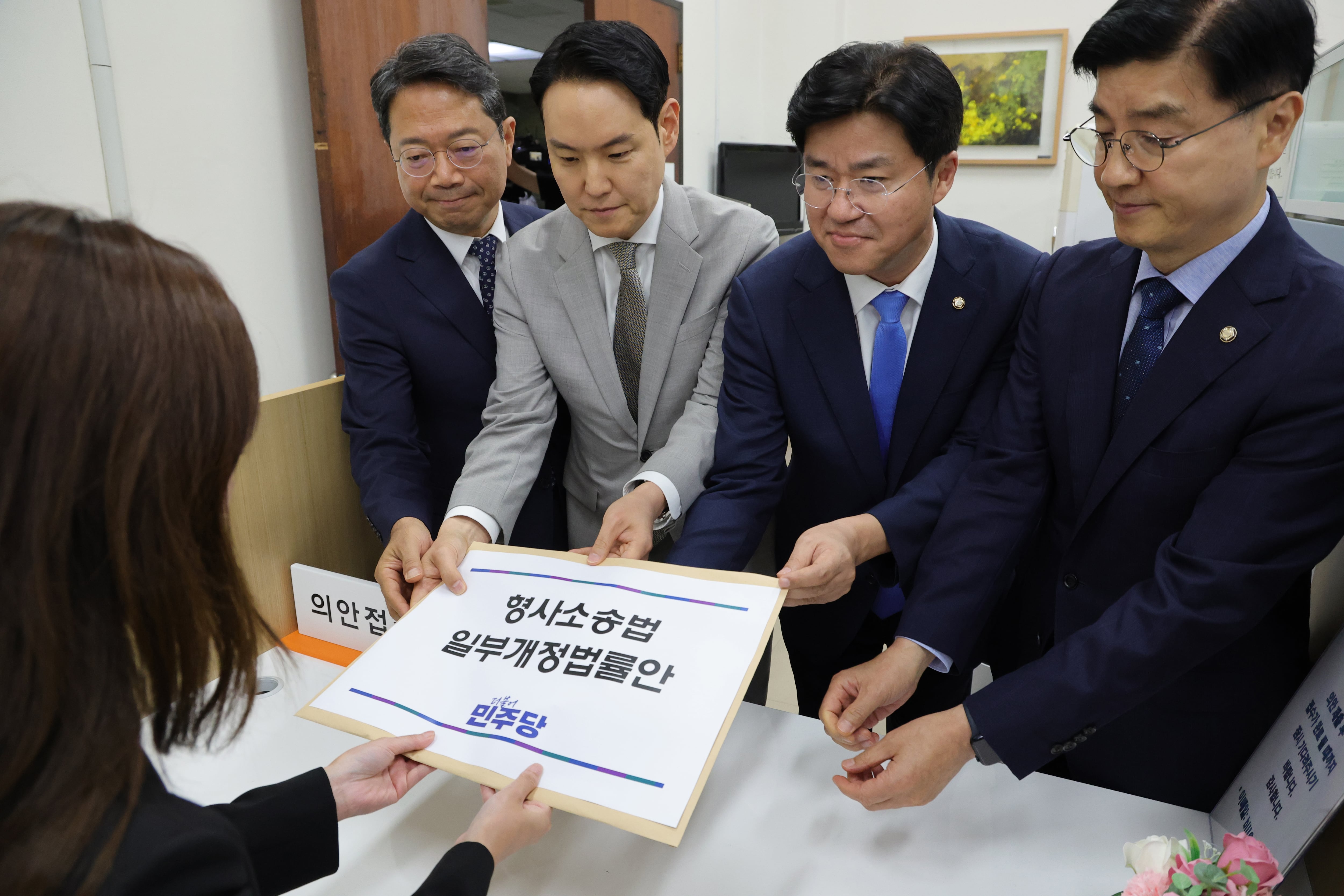
우발 살인, 검찰이 파보니 계획 살인… 보완수사로 진실 밝힌 사례 잇따라
더불어민주당이 검사의 보완수사권 폐지를 골자로 한 형사소송법 개정에 나서면서 법조계에선 “서민들과 범죄 피해자들이 더 큰 피해를 보게 될 것”이라는 우려가 나온다. 경찰의 증거 인멸 혐의가 드러난 전남광주 여고생 살인범 장윤기 사건처럼, 검찰의 보완수사로 범죄 사실이 새롭게 밝혀진 사례도 잇따르고 있다.
Spain says Trump softened rhetoric after learning of Madrid's contributions to NATO
MADRID, July 9 - Madrid said on Thursday U.S. President Donald Trump had softened his rhetoric on Spain, hours after threatening to halt trade with the NATO ally, because he had been made aware of a surge in Madrid's contributions to the alliance in recent years.

‘통제 불능’ 레버리지… 코스피 5% 이상 변동 올해 25일, 작년엔 2일
서울 마포구의 직장인 한모(31)씨는 이달 초 SK하이닉스 가격 움직임의 2배를 베팅할 수 있는 레버리지 상품을 1500만원어치 샀다. 그런데 투자하자마자 주가가 급락해 원금의 3분의 1이 사라졌다. 한씨는 “SK하이닉스 주가 하락률의 두 배로 떨어지다 보니 원금 손실이 커져서 충격 속에 잠을 못 잘 지경”이라고 했다.

김용범 정책실장이 증권사 만난 후, 레버리지 상품 속전속결 출시
삼성전자, SK하이닉스 주가 움직임에 2배를 베팅할 수 있는 ‘단일 종목 레버리지 상품’이 주식시장에 미치는 부작용이 커지면서 도입 과정에 관심이 쏠린다.