US officials say Strait of Hormuz will soon open to all traffic, but oil markets aren’t buying it yet
Oil market skepticism highlights the fragile nature of geopolitical agreements, impacting global economic stability and influencing risk assets. The post US officials say Strait of Hormuz will soon open to all traffic, but oil markets aren’t buying it yet appeared first on Crypto
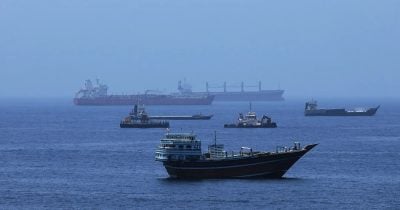
US officials say Strait of Hormuz will soon open to all traffic, but oil markets aren’t buying it yet A memorandum of understanding promises free passage through the world's most important oil chokepoint, but actual shipping traffic tells a different story. Share Add us on Google by Editorial Team Jul. 10, 2026 The US government is declaring victory on reopening the Strait of Hormuz to commercial shipping.
The strait itself seems to have missed the memo. A memorandum of understanding signed around June 17 was supposed to restore normal maritime traffic through the narrow waterway that handles a massive share of global oil and liquefied natural gas shipments. President Trump framed the agreement as a breakthrough, complete with a 60-day toll-free window for vessels and cooperation provisions with Oman on future oversight.
According to data from energy analytics firm Kpler, roughly 70 ships transited the strait over one weekend following the MOU. That sounds decent until you compare it to pre-conflict levels of approximately 125 crossings per day. The gap between diplomacy and reality The US temporarily lifted certain sanctions on Iranian oil exports as a sweetener, and the agreement laid out terms for cooperative oversight of the waterway.
But differing interpretations of the agreement’s terms surfaced almost immediately, particularly around Iran’s continued regulatory role in the region. Advertisement By early July, reports emerged of strikes on tankers transiting the area, including an attack on the Qatari LNG tanker Al Rekayyat. These incidents forced some vessels to divert from planned routes or turn back entirely without completing their journeys.
The US responded by revoking specific licenses it had granted as part of the deal, effectively pulling back the sanctions relief that was supposed to grease the diplomatic wheels. Why crypto markets should care about a shipping lane The Strait of Hormuz handles roughly one-fifth of global oil consumption on a normal day. When ships can’t pass through freely, oil prices spike.
When oil prices spike, inflation expectations shift. When inflation expectations shift, central bank policy recalibrates. And when monetary policy changes direction, risk assets, including crypto, feel it immediately.
The growing market for tokenized commodities and energy-related digital assets means that oil price volatility now has a native crypto surface area. Traders in these instruments are watching Hormuz shipping data the same way DeFi traders watch TVL metrics. The road to normalcy looks long Vessels transiting the region have increasingly opted to navigate through Omani waters rather than risk Iranian-controlled channels.
Iran has asserted its authority over maritime navigation in disputed areas, setting up potential confrontations even as the MOU theoretically calls for cooperation. The persistence of hostilities and the whiplash on sanctions suggest that restoring traffic to pre-conflict levels may not happen until 2027. The 60-day toll-free window included in the MOU was clearly designed to incentivize a rapid return to normal traffic.
But toll-free passage doesn’t matter much when your tanker might get hit by a missile. Shipping companies and their insurers are making rational decisions based on actual risk, not diplomatic press releases. Disclosure: This article was edited by Editorial Team.
For more information on how we create and review content, see our Editorial Policy. POLITICS US officials say Strait of Hormuz will soon open to all traffic, but oil markets aren’t buying it yet A memorandum of understanding promises free passage through the world's most important oil chokepoint, but actual shipping traffic tells a different story. by Editorial Team Jul.
10, 2026 Share Add us on Google The US government is declaring victory on reopening the Strait of Hormuz to commercial shipping. The strait itself seems to have missed the memo. A memorandum of understanding signed around June 17 was supposed to restore normal maritime traffic through the narrow waterway that handles a massive share of global oil and liquefied natural gas shipments.
President Trump framed the agreement as a breakthrough, complete with a 60-day toll-free window for vessels and cooperation provisions with Oman on future oversight. According to data from energy analytics firm Kpler, roughly 70 ships transited the strait over one weekend following the MOU. That sounds decent until you compare it to pre-conflict levels of approximately 125 crossings per day.
The gap between diplomacy and reality The US temporarily lifted certain sanctions on Iranian oil exports as a sweetener, and the agreement laid out terms for cooperative oversight of the waterway. But differing interpretations of the agreement’s terms surfaced almost immediately, particularly around Iran’s continued regulatory role in the region. Advertisement By early July, reports emerged of strikes on tankers transiting the area, including an attack o
Đọc thêm từ Tiền số / Crypto

Ethereum AI Security Agents Found Bug That Could Crash Any Node With a Single Message
A remotely-triggerable panic in libp2p gossipsub lets any peer crash Ethereum nodes. Learn how AI agents found CVE-2026-34219 and why upgrading is urgent. The post Ethereum AI Security Agents Found Bug That Could Crash Any Node With a Single Message appeared first on Cryptonews.

Ethereum’s annual power use falls to 7.87 GWh after The Merge
Ethereum's reduced energy use post-Merge enhances its appeal to ESG-focused investors, potentially boosting institutional adoption and network growth. The post Ethereum’s annual power use falls to 7.87 GWh after The Merge appeared first on Crypto Briefing.

Crypto billionaires are trying to build new nations, and they’re not asking for your vote
Crypto-driven nation-building efforts challenge traditional governance, risking plutocratic control and neo-colonialism without diplomatic legitimacy. The post Crypto billionaires are trying to build new nations, and they’re not asking for your vote appeared first on Crypto Brief

‘The Clearest Macro Risk to Bitcoin’: Why Bitfinex Is Warning Investors About the Yen Carry Trade
Analysts warn that a reversal in the current conditions of the Japanese yen, as the Bank of Japan moves to protect its fiat currency, would lead investors to unwind risk positions globally, impacting tech stocks and bitcoin markets primarily. Yen Carry Trade Reversal Awakens Fear