US-Iran interim deal signed, but the hard part starts now
The interim deal's success hinges on resolving nuclear and sanctions issues, impacting global energy markets and financial stability. The post US-Iran interim deal signed, but the hard part starts now appeared first on Crypto Briefing.
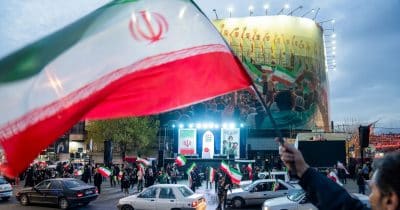
US-Iran interim deal signed, but the hard part starts now Bitcoin briefly surged past $66K as geopolitical tensions eased, but a 60-day window to finalize nuclear and sanctions terms could bring fresh volatility. Share Add us on Google by Editorial Team Jun. 18, 2026 The United States and Iran have signed an interim memorandum of understanding, marking the most significant diplomatic breakthrough between the two nations in over a decade.
President Donald Trump electronically signed the 14-point framework on June 17, 2026, and it went into effect immediately. The deal extends a ceasefire, reopens the Strait of Hormuz to commercial shipping, and gives both sides a 60-day window to hammer out the really thorny stuff: Iran’s nuclear program and the terms of sanctions relief. Iran, for its part, has pledged to dilute its stockpile of highly enriched uranium.
Bitcoin responded the way Bitcoin does when war clouds thin out. It jumped to $66,000 shortly after the announcement. What the deal actually covers Roughly 20% of the world’s oil passes through the Strait of Hormuz, so restoring commercial shipping routes there has direct implications for global energy prices.
Iran’s commitment to dilute its highly enriched uranium stockpile is the headline concession. But the verification mechanisms and timeline for that process remain undefined. Advertisement The signing ceremony was originally planned for Switzerland but was canceled.
Instead, Trump signed electronically. Iranian President Masoud Pezeshkian and Vice President Vance were among the key participants in the negotiations. On the financial side, the potential release of frozen Iranian assets could be enormous, with estimates ranging up to $25 billion or even $300 billion earmarked for reconstruction support.
The crypto market reaction Broader altcoins including Ether and Solana also rallied alongside Bitcoin’s surge past $66,000. Just weeks earlier, in May 2026, the US seized approximately $1 billion tied to Iranian-linked digital assets. Why the permanent deal will be harder The 2015 Joint Comprehensive Plan of Action, better known as the JCPOA or the Iran nuclear deal, took years to negotiate and involved six world powers.
The US withdrew from that agreement in 2018 under Trump’s first administration, reimposing sanctions and setting the stage for the escalation cycle that eventually led to this new MoU. Iran wants sanctions relief before making irreversible concessions on its nuclear program. The US wants verifiable nuclear concessions before releasing frozen assets.
The gap between $25 billion and $300 billion in potential asset releases isn’t a rounding error. It’s a fundamental disagreement about the scope of the deal itself. What this means for investors The 60-day timeline gives markets a clear calendar to trade around.
Every leaked detail about nuclear verification terms or sanctions relief specifics becomes a potential catalyst. The bigger structural question is what happens to the $1 billion in seized Iranian-linked digital assets. If sanctions relief moves forward, the regulatory posture toward Iranian crypto flows could shift meaningfully.
Disclosure: This article was edited by Editorial Team. For more information on how we create and review content, see our Editorial Policy. POLITICS US-Iran interim deal signed, but the hard part starts now Bitcoin briefly surged past $66K as geopolitical tensions eased, but a 60-day window to finalize nuclear and sanctions terms could bring fresh volatility.
by Editorial Team Jun. 18, 2026 Share Add us on Google The United States and Iran have signed an interim memorandum of understanding, marking the most significant diplomatic breakthrough between the two nations in over a decade. President Donald Trump electronically signed the 14-point framework on June 17, 2026, and it went into effect immediately.
The deal extends a ceasefire, reopens the Strait of Hormuz to commercial shipping, and gives both sides a 60-day window to hammer out the really thorny stuff: Iran’s nuclear program and the terms of sanctions relief. Iran, for its part, has pledged to dilute its stockpile of highly enriched uranium. Bitcoin responded the way Bitcoin does when war clouds thin out.
It jumped to $66,000 shortly after the announcement. What the deal actually covers Roughly 20% of the world’s oil passes through the Strait of Hormuz, so restoring commercial shipping routes there has direct implications for global energy prices. Iran’s commitment to dilute its highly enriched uranium stockpile is the headline concession.
But the verification mechanisms and timeline for that process remain undefined. Advertisement The signing ceremony was originally planned for Switzerland but was canceled. Instead, Trump signed electronically.
Iranian President Masoud Pezeshkian and Vice President Vance were among the key participants in the negotiations. On the financial side, the potential release of frozen Iranian assets could be enormous, with estima
Đọc thêm từ Tiền số / Crypto

Anthropic proposes collaboration with Trump administration to lift US restrictions on Mythos
Anthropic's collaboration proposal could reshape US AI policy, impacting global competitiveness and cybersecurity dynamics significantly. The post Anthropic proposes collaboration with Trump administration to lift US restrictions on Mythos appeared first on Crypto Briefing.
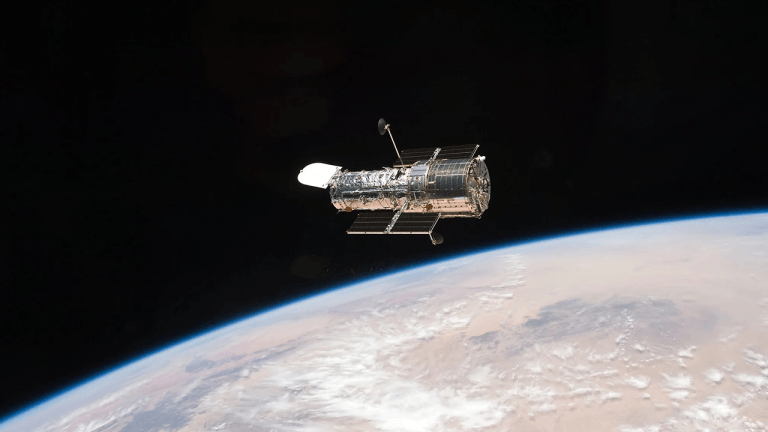
A Figure-Eight in Deep Space: Hubble Image Shows Gravity Warping Distant Galaxies
NASA’s Hubble Space Telescope has captured MACS0329-0211, a massive galaxy cluster whose gravity bends distant light into arcs, curves, and a bright central figure-eight shape. A cosmic swarm The image, released June 12, 2026, shows what NASA described as looking “somewhat like a

Ecuador faces Curaçao in World Cup match as crypto betting platforms eye massive engagement surge
The integration of crypto in the World Cup could accelerate digital asset adoption and reshape sports sponsorship and betting landscapes. The post Ecuador faces Curaçao in World Cup match as crypto betting platforms eye massive engagement surge appeared first on Crypto Briefing.

Sergej Barbarez leads Bosnia-Herzegovina at World Cup after loss to Switzerland
Barbarez's leadership highlights the potential for unexpected talent to emerge in global sports, inspiring smaller nations to aim higher. The post Sergej Barbarez leads Bosnia-Herzegovina at World Cup after loss to Switzerland appeared first on Crypto Briefing.