US-Iran deal to reopen Strait of Hormuz sparks global stock rally
The reopening of the Strait of Hormuz could stabilize global markets, reduce inflationary pressures, and impact energy and shipping costs. The post US-Iran deal to reopen Strait of Hormuz sparks global stock rally appeared first on Crypto Briefing.
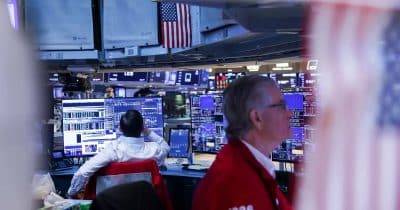
US-Iran deal to reopen Strait of Hormuz sparks global stock rally Brent crude drops to $83 per barrel as diplomatic breakthrough eases geopolitical tensions, lifting equities and Bitcoin alike Share Add us on Google by Editorial Team Jun. 16, 2026 A preliminary agreement between the US and Iran to reopen the Strait of Hormuz for commercial shipping has sent global markets into full risk-on mode. The Dow Jones hit an all-time high, Brent crude tumbled to around $83 per barrel, and Bitcoin climbed to roughly $66,500.
The deal, reached on June 15, extends a ceasefire by 60 days and targets a full reopening of the strait by June 19 or 20. For context, the Strait of Hormuz handles approximately 20% of global oil trade. What the deal actually does The agreement effectively pauses the US naval blockade that began in early March 2026, following escalating military tensions that included strikes on Iranian targets back in February.
For roughly three and a half months, one of the world’s most important shipping lanes was functionally closed for commercial traffic. Advertisement The deal is preliminary. Important discussions around Iran’s nuclear program and proposed transit fees for vessels using the strait have been deliberately shelved for the 60-day negotiation window.
Iran has floated charging fees for services rendered during the reopening. Oil, equities, and the inflation relief trade Brent crude’s drop to around $83 per barrel marks its lowest level since March, representing a decline of roughly 5-10% following the announcement. Market analysts have pointed to this easing of inflationary pressure as the core reason behind the equity surge.
The Dow hitting a new all-time high on the news underscores just how much geopolitical risk had been priced into markets. What this means for crypto and broader markets Bitcoin’s move to approximately $66,500 places it at multi-week highs. The drop in oil prices also has a second-order effect on crypto markets worth noting.
Lower energy costs reduce the operational expenses for Bitcoin miners, particularly those running energy-intensive proof-of-work operations. Cheaper electricity means better margins, which means less forced selling of mined Bitcoin to cover costs. The transit fee question also deserves attention.
If Iran successfully negotiates fees for passage through the strait, it would represent a structural change to global shipping costs that could partially offset the benefits of lower crude prices. The fact that nuclear discussions were explicitly excluded from this framework suggests both sides view them as potential deal-breakers. Disclosure: This article was edited by Editorial Team.
For more information on how we create and review content, see our Editorial Policy. MACRO US-Iran deal to reopen Strait of Hormuz sparks global stock rally Brent crude drops to $83 per barrel as diplomatic breakthrough eases geopolitical tensions, lifting equities and Bitcoin alike by Editorial Team Just now ago Share Add us on Google A preliminary agreement between the US and Iran to reopen the Strait of Hormuz for commercial shipping has sent global markets into full risk-on mode. The Dow Jones hit an all-time high, Brent crude tumbled to around $83 per barrel, and Bitcoin climbed to roughly $66,500.
The deal, reached on June 15, extends a ceasefire by 60 days and targets a full reopening of the strait by June 19 or 20. For context, the Strait of Hormuz handles approximately 20% of global oil trade. What the deal actually does The agreement effectively pauses the US naval blockade that began in early March 2026, following escalating military tensions that included strikes on Iranian targets back in February.
For roughly three and a half months, one of the world’s most important shipping lanes was functionally closed for commercial traffic. Advertisement The deal is preliminary. Important discussions around Iran’s nuclear program and proposed transit fees for vessels using the strait have been deliberately shelved for the 60-day negotiation window.
Iran has floated charging fees for services rendered during the reopening. Oil, equities, and the inflation relief trade Brent crude’s drop to around $83 per barrel marks its lowest level since March, representing a decline of roughly 5-10% following the announcement. Market analysts have pointed to this easing of inflationary pressure as the core reason behind the equity surge.
The Dow hitting a new all-time high on the news underscores just how much geopolitical risk had been priced into markets. What this means for crypto and broader markets Bitcoin’s move to approximately $66,500 places it at multi-week highs. The drop in oil prices also has a second-order effect on crypto markets worth noting.
Lower energy costs reduce the operational expenses for Bitcoin miners, particularly those running energy-intensive proof-of-work operations. Cheaper electricity means better margins, which means less forced selling of mined Bitcoin to cover c
Đọc thêm từ Tiền số / Crypto
President Trump signs preliminary deal to end Iran war, details unclear
The preliminary deal's potential to stabilize oil markets and reduce geopolitical risks could positively impact global economic conditions. The post President Trump signs preliminary deal to end Iran war, details unclear appeared first on Crypto Briefing.
SPX6900 jumps nearly 10% as Upbit and Bithumb open Korean trading
SPX6900 rose as Upbit and Bithumb announced Korean market listings, while Bithumb also opened KRW trading for Spacecoin.

China’s retail sales decline for first time in over three years as economic cracks widen
China's economic slowdown signals potential global market disruptions, affecting commodity demand and heightening recession fears worldwide. The post China’s retail sales decline for first time in over three years as economic cracks widen appeared first on Crypto Briefing.

Tunisia hires Hervé Renard to lead World Cup campaign after opening loss
Renard's appointment could revitalize Tunisia's World Cup hopes, leveraging his African football expertise to navigate group stage challenges. The post Tunisia hires Hervé Renard to lead World Cup campaign after opening loss appeared first on Crypto Briefing.