US-Iran deal nearly finalized as mediators report progress, Bitcoin responds to geopolitical shifts
The US-Iran deal's progress could stabilize geopolitical tensions, impacting global oil markets and influencing cryptocurrency volatility. The post US-Iran deal nearly finalized as mediators report progress, Bitcoin responds to geopolitical shifts appeared first on Crypto Briefin
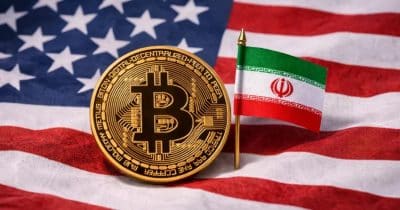
US-Iran deal nearly finalized as mediators report progress, Bitcoin responds to geopolitical shifts Pakistan's PM announces a final draft for a US-Iran memorandum of understanding as crypto markets react to the diplomatic breakthrough Share Add us on Google by Editorial Team Jun. 14, 2026 A US-Iran peace deal is closer to reality than it has been in years. Pakistan’s Prime Minister Shehbaz Sharif announced on June 12 that a final draft for a memorandum of understanding between Washington and Tehran has been reached, with a possible signing date of June 14.
The agreement, brokered through backchannel negotiations involving Pakistan and Qatar, focuses on extending a temporary ceasefire, navigating the reopening of the Strait of Hormuz, and, critically, punting the thornier nuclear discussions to a later date. What the deal actually covers The proposed framework centers on a 60-day MOU that would extend a ceasefire first established in April 2026. That ceasefire came out of direct meetings between US and Iranian officials in Islamabad, marking one of the few face-to-face diplomatic encounters between the two countries in recent memory.
Advertisement Tehran reportedly approved a draft agreement relayed through Qatari mediators on June 11, setting the stage for Sharif’s announcement the following day. The expectation was that finalization could come within 24 hours of that approval. President Trump suggested the treaty could be signed imminently and implied that the Strait of Hormuz, one of the world’s most strategically vital waterways for global oil shipments, would be reopened shortly after.
Iranian officials, for their part, adopted a more measured tone, downplaying any assumptions that the agreement would be permanent and framing it instead as a temporary arrangement rather than a lasting resolution. The US-Iran negotiations have been marked by multiple near-misses stretching from 2025 into 2026. Each time momentum built toward a deal, something, whether domestic politics, military posturing, or disagreements over nuclear enrichment, derailed the process.
How crypto markets are reading the room Bitcoin dipped below $73,000 on May 28, during a period when the negotiations appeared to be stalling. By June 13, with mediators publicly expressing optimism about the deal’s progress, Bitcoin had surged past $64,000. Ether and Dogecoin also saw movements that tracked closely with the shifting sentiment around the peace talks.
Geopolitical tension involving the Strait of Hormuz directly affects oil prices, oil price volatility bleeds into broader financial markets, and broader financial market sentiment has become increasingly intertwined with crypto valuations as institutional participation has grown. What this means for investors The 60-day window of the proposed MOU means that in roughly eight weeks, negotiations could be right back where they started if the deeper nuclear discussions don’t make progress. For traders with shorter time horizons, the signing itself, should it happen on June 14, could serve as a catalyst event.
Markets have already partially priced in the optimism, as the Bitcoin move from below $73,000 to above $64,000 suggests. Disclosure: This article was edited by Editorial Team. For more information on how we create and review content, see our Editorial Policy.
POLITICS US-Iran deal nearly finalized as mediators report progress, Bitcoin responds to geopolitical shifts Pakistan's PM announces a final draft for a US-Iran memorandum of understanding as crypto markets react to the diplomatic breakthrough by Editorial Team Just now ago Share Add us on Google A US-Iran peace deal is closer to reality than it has been in years. Pakistan’s Prime Minister Shehbaz Sharif announced on June 12 that a final draft for a memorandum of understanding between Washington and Tehran has been reached, with a possible signing date of June 14. The agreement, brokered through backchannel negotiations involving Pakistan and Qatar, focuses on extending a temporary ceasefire, navigating the reopening of the Strait of Hormuz, and, critically, punting the thornier nuclear discussions to a later date.
What the deal actually covers The proposed framework centers on a 60-day MOU that would extend a ceasefire first established in April 2026. That ceasefire came out of direct meetings between US and Iranian officials in Islamabad, marking one of the few face-to-face diplomatic encounters between the two countries in recent memory. Advertisement Tehran reportedly approved a draft agreement relayed through Qatari mediators on June 11, setting the stage for Sharif’s announcement the following day.
The expectation was that finalization could come within 24 hours of that approval. President Trump suggested the treaty could be signed imminently and implied that the Strait of Hormuz, one of the world’s most strategically vital waterways for global oil shipments, would be reopened shortly after. Iranian officials, for their part, adopt
Đọc thêm từ Tiền số / Crypto

Natus Vincere reflects on Dust2 loss, prepares for Mirage in Thunderpick World Championship
NaVi's adaptability and strategic focus on map dynamics highlight their resilience and potential for sustained success in competitive CS. The post Natus Vincere reflects on Dust2 loss, prepares for Mirage in Thunderpick World Championship appeared first on Crypto Briefing.

Jamal Musiala scores as Germany cruises past Finland in World Cup warm-up
Musiala's return boosts Germany's World Cup prospects, enhancing their attacking depth and strategic flexibility for the upcoming tournament. The post Jamal Musiala scores as Germany cruises past Finland in World Cup warm-up appeared first on Crypto Briefing.
Trump says US and Iran are close to a deal as Israel’s attack on Beirut complicates talks
Geopolitical tensions may hinder US-Iran negotiations, affecting global oil flow and market stability, while impacting crypto market sentiment. The post Trump says US and Iran are close to a deal as Israel’s attack on Beirut complicates talks appeared first on Crypto Briefing.

Arsenal’s Bitpanda partnership stays in spotlight as Eze’s penalty miss dominates headlines
Eze's resilience amid high-pressure moments could enhance Bitpanda's brand narrative, highlighting the synergy between sports and crypto marketing. The post Arsenal’s Bitpanda partnership stays in spotlight as Eze’s penalty miss dominates headlines appeared first on Crypto Briefi