US CENTCOM lifts naval blockade on Strait of Hormuz as US-Iran deal takes shape
The lifting of the blockade may stabilize global energy markets, enhance crypto's legitimacy in international trade, and foster US-Iran diplomacy. The post US CENTCOM lifts naval blockade on Strait of Hormuz as US-Iran deal takes shape appeared first on Crypto Briefing.

US CENTCOM lifts naval blockade on Strait of Hormuz as US-Iran deal takes shape The end of the blockade eases tensions around the world's most critical oil chokepoint, with ripple effects hitting both energy and crypto markets. Share Add us on Google by Editorial Team Jun. 18, 2026 The US Central Command has officially ended its naval blockade around Iranian ports in the Strait of Hormuz, closing one of the most disruptive chapters in recent geopolitical history.
The move comes as part of a broader US-Iran framework agreement aimed at de-escalating a conflict that rattled global energy markets and rerouted international shipping for months. For context, the Strait of Hormuz handles roughly 20% of the world’s oil supply, plus a substantial share of global liquefied natural gas trade. What happened and why it matters The blockade kicked off on April 13, 2026, under the Trump administration, as tensions between Washington and Tehran escalated into open confrontation.
By late May, over 100 commercial vessels had been redirected away from the strait, with US naval forces engaging in direct confrontations with ships that attempted to violate the restrictions. Brent crude prices surged past $100 per barrel as production disruptions cascaded through the global supply chain. Advertisement A framework deal for de-escalation was announced on June 14, 2026, and formally endorsed shortly after.
Under the terms, Iran committed to reopening the strait free of tolls, while the US lifted its sanctions on maritime traffic through the passage. Oil prices began falling almost immediately on expectations that normalized shipping would ease supply constraints. The crypto angle is more interesting than you’d expect Bitcoin rallied approximately 3% toward $66,000 following news that the blockade was being lifted, reflecting a classic risk-on rotation as investors shifted capital into higher-risk assets.
Iran began accepting Bitcoin and USDT as payment for maritime transit fees starting in mid-March 2026, months before the blockade was lifted. Iran also developed a blockchain-based maritime insurance platform called “Hormuz Safe,” designed to handle Bitcoin settlements for insurance claims tied to shipping through the strait. What this means for investors For the energy sector, the return of Iranian oil flows to normal levels should push crude prices lower in the near term.
Iran’s deployment of the Hormuz Safe platform demonstrates that blockchain-based insurance and settlement systems can function in high-stakes, real-world environments. The fact that a major international agreement between the US and Iran involves, even tangentially, the use of Bitcoin and USDT for sovereign transactions normalizes crypto’s role in global commerce. Disclosure: This article was edited by Editorial Team.
For more information on how we create and review content, see our Editorial Policy. MACRO US CENTCOM lifts naval blockade on Strait of Hormuz as US-Iran deal takes shape The end of the blockade eases tensions around the world's most critical oil chokepoint, with ripple effects hitting both energy and crypto markets. by Editorial Team Jun.
18, 2026 Share Add us on Google The US Central Command has officially ended its naval blockade around Iranian ports in the Strait of Hormuz, closing one of the most disruptive chapters in recent geopolitical history. The move comes as part of a broader US-Iran framework agreement aimed at de-escalating a conflict that rattled global energy markets and rerouted international shipping for months. For context, the Strait of Hormuz handles roughly 20% of the world’s oil supply, plus a substantial share of global liquefied natural gas trade.
What happened and why it matters The blockade kicked off on April 13, 2026, under the Trump administration, as tensions between Washington and Tehran escalated into open confrontation. By late May, over 100 commercial vessels had been redirected away from the strait, with US naval forces engaging in direct confrontations with ships that attempted to violate the restrictions. Brent crude prices surged past $100 per barrel as production disruptions cascaded through the global supply chain.
Advertisement A framework deal for de-escalation was announced on June 14, 2026, and formally endorsed shortly after. Under the terms, Iran committed to reopening the strait free of tolls, while the US lifted its sanctions on maritime traffic through the passage. Oil prices began falling almost immediately on expectations that normalized shipping would ease supply constraints.
The crypto angle is more interesting than you’d expect Bitcoin rallied approximately 3% toward $66,000 following news that the blockade was being lifted, reflecting a classic risk-on rotation as investors shifted capital into higher-risk assets. Iran began accepting Bitcoin and USDT as payment for maritime transit fees starting in mid-March 2026, months before the blockade was lifted. Iran also developed a blockchain-based ma
Đọc thêm từ Tiền số / Crypto
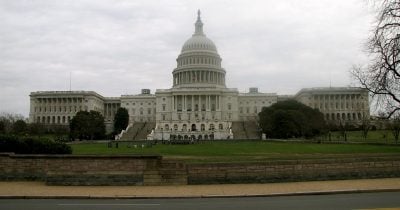
Google fought US warrant for user data on Capitol riot searches
Google's legal battle underscores the ongoing struggle between tech firms and governments over privacy, potentially reshaping data policies. The post Google fought US warrant for user data on Capitol riot searches appeared first on Crypto Briefing.
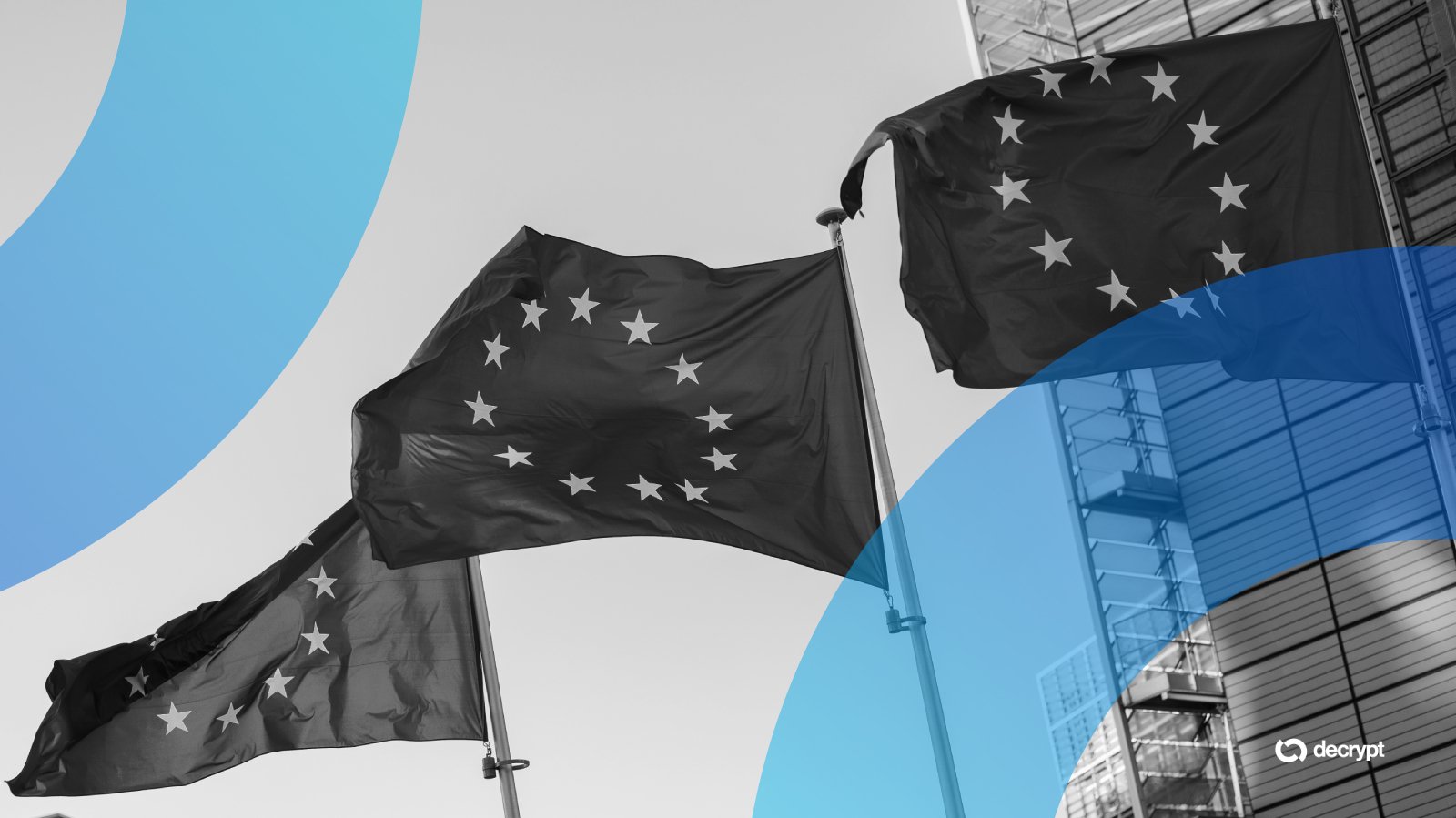
Europe's Crypto Firms Face Squeeze as MiCA Transition Period End Looms
As the MiCA grace period closes, only a fraction of registered firms hold full licenses, setting up the prospect of a wave of consolidation.

AMI Labs’ Yann LeCun makes the case for ‘world models’ as AI’s next frontier at VivaTech
LeCun's push for 'world models' in AI could redefine tech investment, emphasizing real-world interaction over language model scaling. The post AMI Labs’ Yann LeCun makes the case for ‘world models’ as AI’s next frontier at VivaTech appeared first on Crypto Briefing.

Accenture shares plunge 18% on lowered revenue outlook
Accenture's revenue outlook cut highlights potential sector-wide impacts from geopolitical tensions and AI's disruptive influence on consulting. The post Accenture shares plunge 18% on lowered revenue outlook appeared first on Crypto Briefing.