Understanding the Saudi-U.S. nuclear agreement | Explained
Initially, nuclear fuel would be imported to Saudi Arabia, but the deal proposes a joint two-year study examining the value and commercial viability of enrichment for the kingdom; if the study concludes that local enrichment is warranted, U.S. companies would build and operate a

The story so far:On July 22, U.S. Energy Secretary Chris Wright and Saudi Energy Minister Prince Abdulaziz bin Salman signed a civil nuclear cooperation agreement and a bilateral nuclear safeguards agreement.
According to the U.S. Department of Energy, the deal would lay the foundation for a 30-year multi-billion nuclear partnership between the U.
S. and the Persian Gulf kingdom with U.S.
companies positioned to help Riyadh build its own nuclear sector.However, on July 23, U.S.
President Donald Trump said the deal is contingent upon Saudi Arabia joining the Abraham Accords (meaning, establishing full diplomatic relations with Israel), raising questions about the viability of the deal. The White House later said the “deal is off” if the Saudis do not join the accords.What does the deal say?
The deal enables transfer of civil nuclear materials, technology and equipment from the U.S. to Saudi Arabia.
U.S. nuclear companies will get preferred treatment when Saudi Arabia starts building its nuclear infrastructure.
The bilateral safeguards agreement would apply additional verification measures to proliferation-sensitive areas such as enrichment, conversion, fuel fabrication and reprocessing.In 2009, when the U.S.
and the UAE announced a civil nuclear cooperation agreement, Abu Dhabi agreed not to enrich uranium or reprocess spent fuel before opening its Barakah plant. The U.S.
-Saudi agreement doesn’t have any such requirement, according to reports in American media (the full text of the agreement is yet to be made public).Initially, nuclear fuel would be imported to Saudi Arabia, but the deal proposes a joint two-year study examining the value and commercial viability of enrichment for the kingdom. If the study concludes that local enrichment is warranted, U.
S. companies would build and operate a uranium enrichment facility in the kingdom under an arrangement that would prevent transfer of sensitive enrichment technology to the Saudis.The agreement also doesn’t require Saudi Arabia to adopt the IAEA’s Additional Protocol, which gives inspectors broad powers to conduct inspections at short notice.
Why does Saudi Arabia want a nuclear programme?A decade ago, Saudi Arabia’s Crown Prince Mohammed bin Salman said the Kingdom had to end its addiction to oil. MBS, as Prince Mohammed is widely known, has promoted a vision document to diversify the country’s economy and reduce its reliance on oil and gas.
Vision 2030 involves promoting tourism, building megaprojects, developing a top-class financial sector and constructing power-hungry Artificial Intelligence (AI) data centres. Right now, Saudi Arabia is highly reliant on burning oil and gas to produce electricity.Saudi officials have long argued that the kingdom, which is rich in uranium ore deposits, should enrich nuclear fuel and generate nuclear power to meet the country’s growing demand and help its economic diversification plans.
The war on Iran by the U.S. and Israel and the closure of the Strait of Hormuz, which made it challenging for Saudi Arabia to export its oil products, have further reinforced the belief in Riyadh that it should reduce its reliance on oil.
MBS has been pushing for a civilian nuclear deal with the U.S. for years.
He has also said that if Iran makes a nuclear bomb, Saudi Arabia, Iran’s regional rival, would also have to make a bomb. As the war between the U.S.
and Iran is now dragging on, with hopes for a negotiated settlement of Iran’s nuclear programme remaining remote, the Saudis could be facing pressure to fast-track their plans for setting up their own nuclear programme.Will a Saudi-U.S.
deal have any impact on Iran’s nuclear programme?Compared to any country in the Persian Gulf, Iran has a highly advanced and sophisticated nuclear programme. The country has built advanced centrifuges and developed the technology to enrich uranium to near weapons-grade purity.
Iran possesses hundreds of kg of 60% enriched uranium, which is a step away from the weapons-grade level.One of the reasons for the Iran war has been the country’s nuclear programme, which Iran says is for peaceful purposes, while the U.S.
and Israel have accused Tehran of having a secret weapons programme.Before the war, the U.S.
, in talks with Iran, had repeatedly made two major demands for a settlement–Iran should export or dispose of its highly enriched uranium, and it should stop enriching nuclear fuel. Iran, on the other hand, has rejected both demands. Iran says it has no plans to make a bomb, but as a signatory of the Nuclear Non-Proliferation Treaty, it has the right to maintain enrichment capabilities.
Iran has also opposed taking its highly enriched uranium out of the country.At this point, as the U.S.
and Iran continue to exchange fire, with the war spreading across the region, there are no talks between the two sides about the nuclear issue. If the U.S.
helps Saudi Arabia build its own nuclear facilities and allows the country to enrich fuel on its soil, Iran’s position on i
Đọc thêm từ Thế giới
Pop Culture: The rise and fall of the drive-in movie theatre
With social media bans for teens a hot topic for parents from Canberra to Camrose, the perils of the small screen have never been in starker focus. But nearly 95 years ago, all eyes were on the big screen — the outdoor cinema had arrived, and families greeted the development with
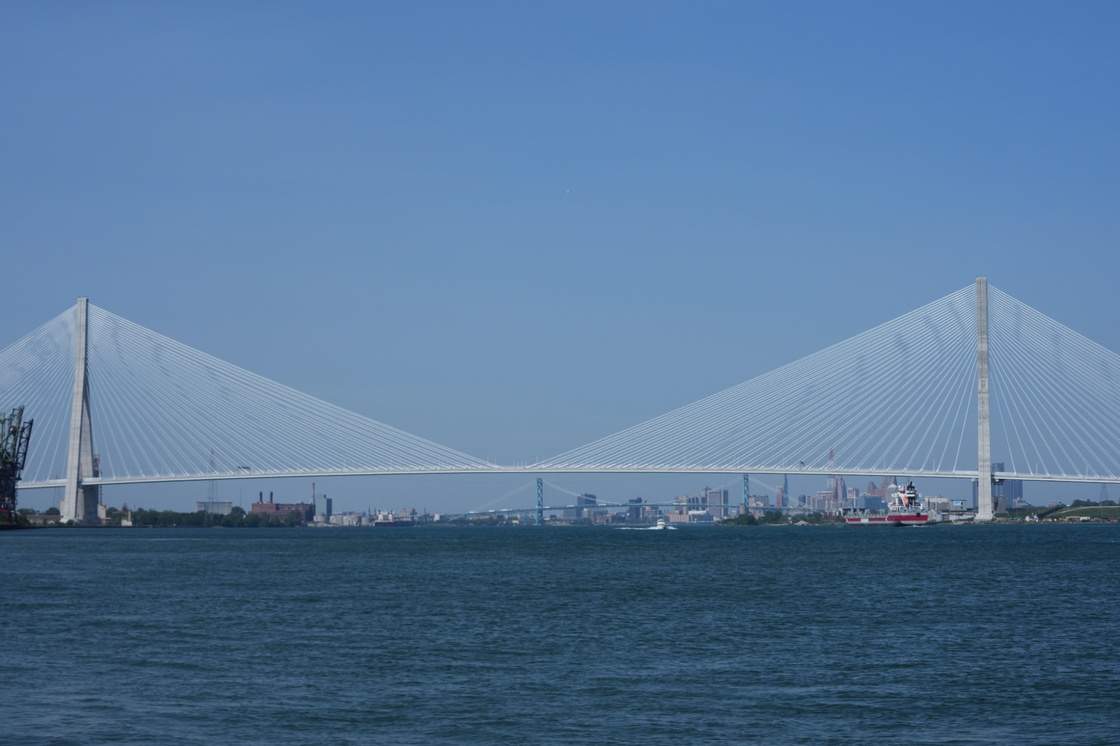
Canada to mark Gordie Howe bridge opening amid U.S. trade tensions
Prime Minister Mark Carney, who is visiting a national park in Newfoundland and Labrador to highlight the Canada Strong Pass, will be skipping the event.

Mining billionaire to reward Commonwealth Games medallists with bonuses
Australia’s richest woman to pay win bonus to swimmers at Commonwealth Games

Region 1 braces for possible effects of Kiyapo
Local disaster officials in Pangasinan and neighboring regions stepped up preparations for Severe Tropical Storm Kiyapo on Friday, July 24, 2026, stockpiling relief supplies, activating emergency teams and raising alert levels as the storm threatened to bring heavy rain and stron