UK journalists are self-censoring stories about Trump and the right over safety fears’
Government-backed investigation finds risks are normalised amid ‘a narrowing of the public conversation’ Journalists are self-censoring their reporting on rightwing protests, Donald Trump’s administration and trans issues because of growing concerns about their personal safety, w
Investigators found a widespread belief that abuse linked to reporting had increased, especially online. Composite: PA Images/Guardian Design / AlamyView image in fullscreenInvestigators found a widespread belief that abuse linked to reporting had increased, especially online. Composite: PA Images/Guardian Design / AlamyUK journalists are self-censoring stories about Trump and the right over safety fears’Government-backed investigation finds risks are normalised amid ‘a narrowing of the public conversation’ Journalists are self-censoring their reporting on rightwing protests, Donald Trump’s administration and trans issues because of growing concerns about their personal safety, with newsrooms accused of “normalising” the risks they face.
Hundreds of journalists from across the UK have anonymously disclosed increasing nervousness over their security. Some have reported avoiding or altering coverage on certain topics due to intimidation, leading to self-censorship and “a narrowing of the public conversation”.The findings are revealed in a government-backed investigation into the safety of journalists, ordered amid growing hostility to traditional media across the west.
“There have definitely been times where there’s been a story that’s maybe in the public interest, maybe worth reporting on, where we have had frank discussions about whether it’s ‘worth it’,” said one journalist.Another said: “I was definitely looking over my shoulder and making sure I wasn’t being followed and making sure that people weren’t going to start shouting things at me.”Investigators found a widespread belief that abuse linked to reporting has increased, especially online.
They also reported newsroom cultures that treated the increase as inevitable given the polarised political environment – with journalists expected to be “thick-skinned”.Female journalists faced the brunt of abuse, describing gendered and sexualised harassment, explicit threats, inappropriate messages and online comments focused on appearance.Common topics raised by journalists as causing safety concerns were rightwing anti-immigration protests, the Trump administration, including protests against US Immigration and Customs Enforcement (ICE), as well as trans issues.
“Anti-immigration protests were most widely referenced by journalists, both regarding the in-person risks of attending the marches and the backlash to any subsequent reporting,” the investigation found.Similar findings have been recorded in the US, where the International Women’s Media Foundation found journalists were working in heightened political polarisation, declining public trust in the media and increasing exposure to physical and psychological risks.We can’t talk about press freedom without talking about misogynyRead moreThere are numerous accounts of journalists in Northern Ireland facing intimidation from masked men while covering anti-immigration riots, disclosed to the UK’s National Union of Journalists.
In another case, footage of a journalist covering an anti-immigration protest was circulated in a Facebook group, with people working together to identify and locate them.One respondent described seeing a female journalist subjected to misogynistic heckling at a “unite the kingdom” rally, with the footage later uploaded to social media.With debates about the personal safety of reporters now a regular discussion point in newsrooms, ministers ordered an investigation by Alma Economics.
It amounts to one of the most comprehensive assessments of journalist safety ever produced in the UK, surveying 531 journalists, alongside 55 in-depth interviews.Almost half of those surveyed said safety concerns influenced their willingness to report on certain stories, while about a third had changed how or what they covered.skip past newsletter promotionafter newsletter promotionThe investigation found the shift to online and video journalism had made journalists more identifiable.
“Journalists used to be much more anonymous,” said one reporter. “Now, you’re expected to be live, presenting TikToks all the time … People talk about all sorts of things about like: ‘What’s the future of journalism?’
and ‘How can we adapt?’ But very rarely is it discussed, ‘What does that take from us?’ And especially from female journalists.”
Participants acknowledged that the UK still remained a safe place to work as a journalist compared with other parts of the world.However, reporters said the risks had intensified over time, driven by “declining public trust, narratives portraying the media as ‘fake news’, and blurred boundaries between journalists and the public” – meaning the rise of “citizen journalists” who have no journalistic training but have access to large online audiences.“The research findings make for grim reading,” said Laura Davison, the NUJ’s general secretary.
“Abuse should never be viewed as part of a journalist’s job. Not only does this behaviour have a hugely detrimental impact on people’s lives, it also has a ch
Đọc thêm từ Thế giới
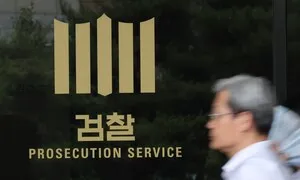
“약자 피해자만 보호하나, 땜질 입법”…민주 형소법 개정안 비판 확산
본문사회사회일반“약자 피해자만 보호하나, 땜질 입법”…민주 형소법 개정안 비판 확산박지영,정혜민기자수정 2026-07-26 17:53펼침0:00Your browser does not support theaudio element.구글 선호 매체 등록16일 서울 서초구 서울중앙지검 모습.
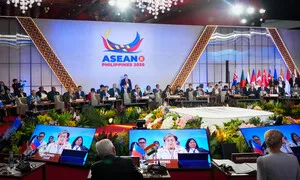
아세안지역안보포럼 “한반도 비핵화” 2년 연속 채택…당사자 대화 촉구
본문정치정치일반아세안지역안보포럼 “한반도 비핵화” 2년 연속 채택…당사자 대화 촉구장예지기자수정 2026-07-26 17:46펼침0:00Your browser does not support theaudio element.구글 선호 매체 등록북한은 지난해 이어 불참지난 23일(현지시각) 필리핀 마닐라에서 제33차 아세안지역안보포럼(ARF) 외교장관회의가 열렸다.
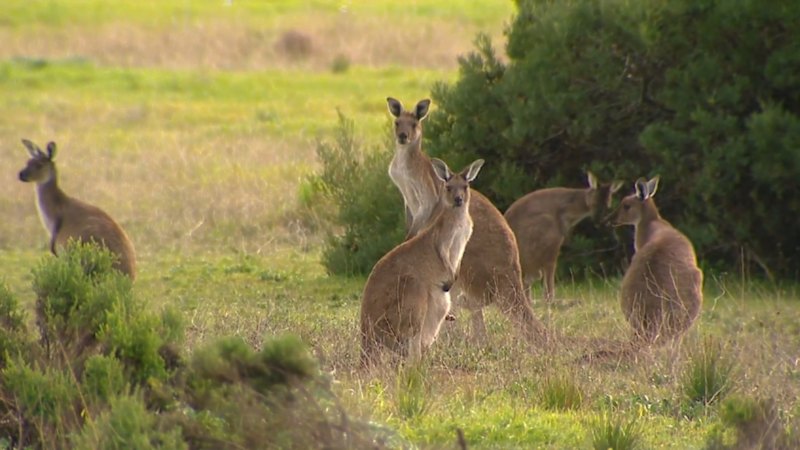
Outrage as kangaroos found dead in suspected animal cruelty case
A suspected deliberate act of animal cruelty has prompted outrage after two adult kangaroos and a joey were found dead near Adelaide.

Elon Musk documentary, CIA comedy lead Venice Film Festival 2026 lineup
A four-hour documentary about Elon Musk, Martin McDonagh’s dark CIA comedy “Wild Horse Nine” and films featuring Robert Pattinson, Penélope Cruz and Javier Bardem are among the movies premiering at the Venice Film Festival in September. Alberto Barbera, the festival’s artistic di