Tokenized Weather Derivatives: How Climate Risk Goes Onchain
RWA-linked derivatives neared $300B in June 2026 as pilots like Kweather-Flare push verified weather data onchain. Tokenized hedges, risks, and who uses them.
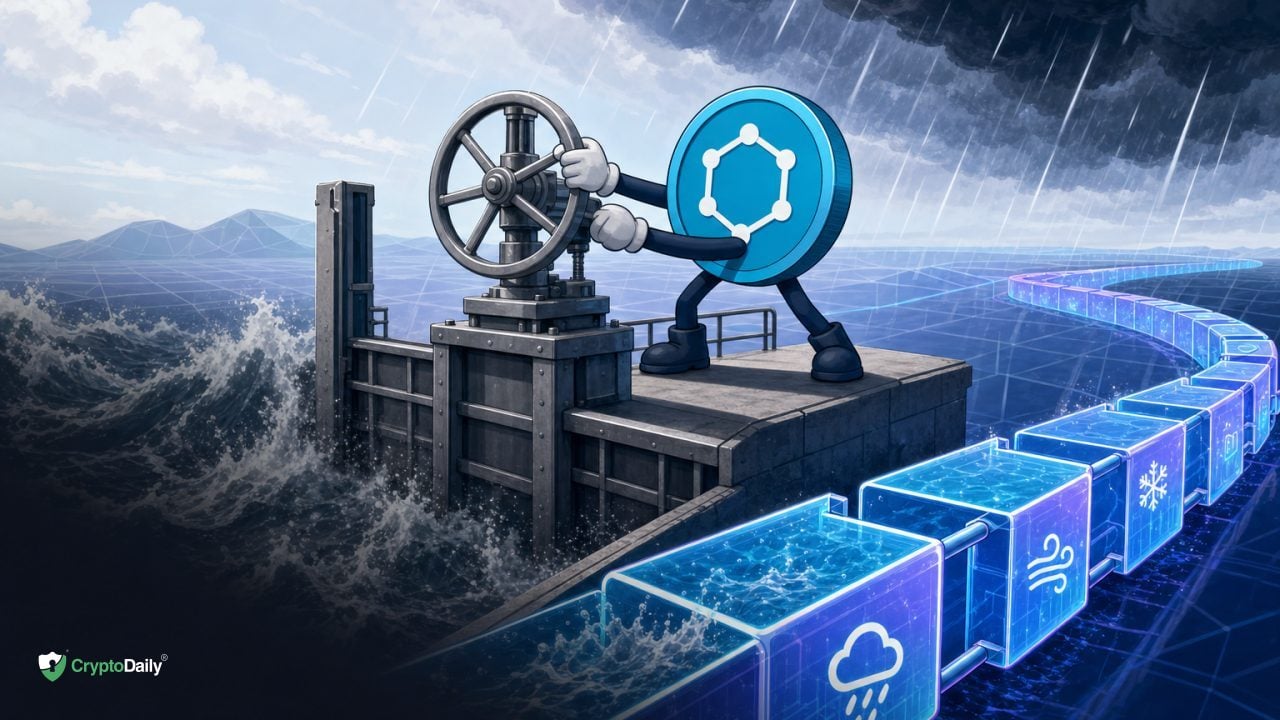
Weather isn’t just small talk anymore. It’s a line item. Businesses and communities live or die on whether it rains, how hot it gets, or when the wind shows up.
So of course crypto folks are trying to bring that risk onchain. This piece breaks down tokenized weather derivatives in plain English: how they work, what makes them different from old-school hedges, where the data comes from, and what could go wrong. I’ll also flag the regulatory lines and a few real pilots worth tracking right now.
If you’re skimming for the punchline: these instruments can settle fast, run 24/7, and open access. But they come with basis risk, oracle risk, and compliance headaches you can’t ignore. Editor's note: First, the trading desks that stayed open on weekends captured flow as RWA-linked derivatives kept printing volume.
Second, serious oracle work finally showed up for weather and energy. I sat in on a couple of pilot reviews where the big debates weren’t about price models but about timestamps, revision policies, and collateral waterfalls. Boring details, but that’s where these markets either work or don’t.
— Sophia Bennett Tokenized weather derivatives are onchain contracts that pay out based on measurable weather conditions like rainfall, temperature, or wind speed. They’re parametric, which means they don’t look at loss receipts or claims. They look at data from an agreed source, and if the condition hits, the contract settles automatically.
The goal is faster, more transparent hedging for climate-exposed risks, with global participation and programmatic payouts. They use oracles to pull verified weather data onchain and trigger payouts. They can reduce paperwork and settlement delay compared to traditional hedges.
Access can be broader, but regulation and geofencing still matter. Main risks: data quality, basis mismatch, smart contract bugs, thin liquidity. How do tokenized weather derivatives actually work?
Think of a tokenized weather derivative as a vending machine. You pre
Đọc thêm từ Tiền số / Crypto

Microsoft CEO Satya Nadella warns of AI bubble risks and concentrated power in rare TV interview
Nadella's warning highlights the need for balanced AI growth to prevent monopolistic control, urging innovation in decentralized solutions. The post Microsoft CEO Satya Nadella warns of AI bubble risks and concentrated power in rare TV interview appeared first on Crypto Briefing.
Insurers halt coverage for Saudi-linked ships in Red Sea amid Houthi blockade: FT
The halt in coverage signals escalating regional tensions, potentially disrupting global trade and energy routes, impacting market stability. The post Insurers halt coverage for Saudi-linked ships in Red Sea amid Houthi blockade: FT appeared first on Crypto Briefing.
New Fed chair Kevin Warsh launches five task forces to overhaul monetary policy, and crypto is nowhere on the agenda
Warsh's task forces could redefine monetary policy, impacting economic stability and asset markets, while crypto remains sidelined in discussions. The post New Fed chair Kevin Warsh launches five task forces to overhaul monetary policy, and crypto is nowhere on the agenda appeare
Russian missile strikes hit Kyiv; Ukrainian drone attack in Horlivka kills four
The escalation in hostilities may signal a strategic shift, influencing market perceptions of potential Russian territorial advances. The post Russian missile strikes hit Kyiv; Ukrainian drone attack in Horlivka kills four appeared first on Crypto Briefing.