The smartphone era created an attention crisis. Slowtech is fixing it
“People just really want to take back control of their time, their lives, their attention... They’re down for whatever helps them do that.”
Hardware The smartphone era created an attention crisis. Slowtech is fixing it Amanda Silberling 10:16 AM PDT · June 18, 2026 When Tony Fadell entered New York City’s 28th Street Subway Station, he did not expect to come face-to-face with an advertisement for a product he designed over 20 years ago. But there it was: a five-by-four-foot poster promoting the iPod Shuffle, luring passersby with the promise of “Zero screen time.”
“The first thing was, I thought, ‘Wait a second, did somebody not change the ad?’” Fadell, known as the father of the iPod, told TechCrunch. “For somebody like me who knows that thing intimately, it’s like seeing your kid’s picture.”
As Fadell stood in the train station, he was surrounded by people wearing wireless Bluetooth headphones to stream music on their phones, effortlessly accessing music libraries with over 100 million songs. This technology that we take for granted makes Steve Jobs’ early iPod tagline — “one thousand songs in your pocket” — sound antiquated. A Back Market ad in the New York City SubwayImage Credits:Tony Fadell (opens in a new window) The postage-stamp-sized iPod Shuffle, which relied heavily on shuffle playback and offered little control compared to today’s streaming apps, should not appeal to a modern audience.
But we have become so entrenched in technology that our various devices, apps, and algorithms mediate our every experience, from grocery shopping to dating. We’ve built smartphones that can do almost anything, but we’ve also created a constant connectedness that has become more exhausting than enriching. “People are very oversaturated and overstimulated, and they really want to have a more mindful approach to what they’re doing with their tech,” Joy Howard, CMO of Back Market, an online marketplace for refurbished tech, told TechCrunch.
“There’s this fatigue that we have with the need to optimize every single aspect of our life.” Howard and her team were responsible for the iPod Shuffle ad that Fadell was so shocked to encounter. But Howard says that demand is growing for this supposedly obsolete tech — if these devices weren’t driving sales, the company wouldn’t have shelled out for a premium ad placement in a hectic New York City subway station.
For younger generations who have never known a world without social media and smartphones, there’s a certain magic to wired headphones, retro gaming consoles, CDs, and digital point-and-shoot cameras. They crave experiences that aren’t trying to monopolize their attention. Old-school cameras can’t upload photos to your Instagram story, retro games don’t spam you with gambling ads, and iPods can’t automatically play music that you’re algorithmically destined to enjoy.
That’s the whole point of this movement, which Howard calls “slowtech.” “The ‘fast tech’ up until now has been all about eliminating friction… [Now], people are seeing friction as a way to create boundaries for themselves,” Howard said.
“It’s so stunning to me that now people are wanting to bring friction back into their lives, and see that as a feature, rather than a flaw.” Image Credits:Back Market Around the same time that Fadell first pitched the iPod to Steve Jobs, Austin Murray founded JAMDAT, one of the first mobile gaming companies, which quickly went public and was sold to Electronic Arts for $680 million. “When we were pitching our company back in 2000, 2001, people were laughing at us, saying, ‘Why would anyone play games on their cell phone?’”
Murray told TechCrunch. Now, investors are just as incredulous when he pitches them on his screen-time reduction app, MOQA, which he is building to counteract the very phenomenon he helped create. “It’s watching what happened to my kids and the people around me that hurts my soul the most,” Murray said.
“When everyone is doing the same thing — meaning everyone, the average screen time is like five hours probably on a phone every day — it’s not a willpower problem. It’s a product design problem.” This desire to cut back on the time we spend using our phones, computers, and TVs has become ubiquitous — about 53% of American adults say they want to reduce their screen time.
“At a certain point, I realized that willpower was insufficient to not waste time on my phone,” said writer Calvin Kasulke, whose novel “Several People Are Typing” imagines workers trapped inside a Slack workspace. He now pays for Opal and Freedom, two apps designed to limit his screen time and social media use. “I don’t need to limit my time on iMessage — that’s people who I really know!
But I certainly don’t want to be wasting my time doomscrolling.” “I want to be very clear… I don’t feel smug about this.
It’s embarrassing to have two different apps to limit how I use this,” Kasulke said. “I don’t think screens are inherently bad. I just think the way I was using [my phone] was worse and dumb, and now it’s a little bit less dumb.”
Others have given up their iPhones altogether, opting instead for flip phones, e-ink devices tha
Đọc thêm từ Công nghệ
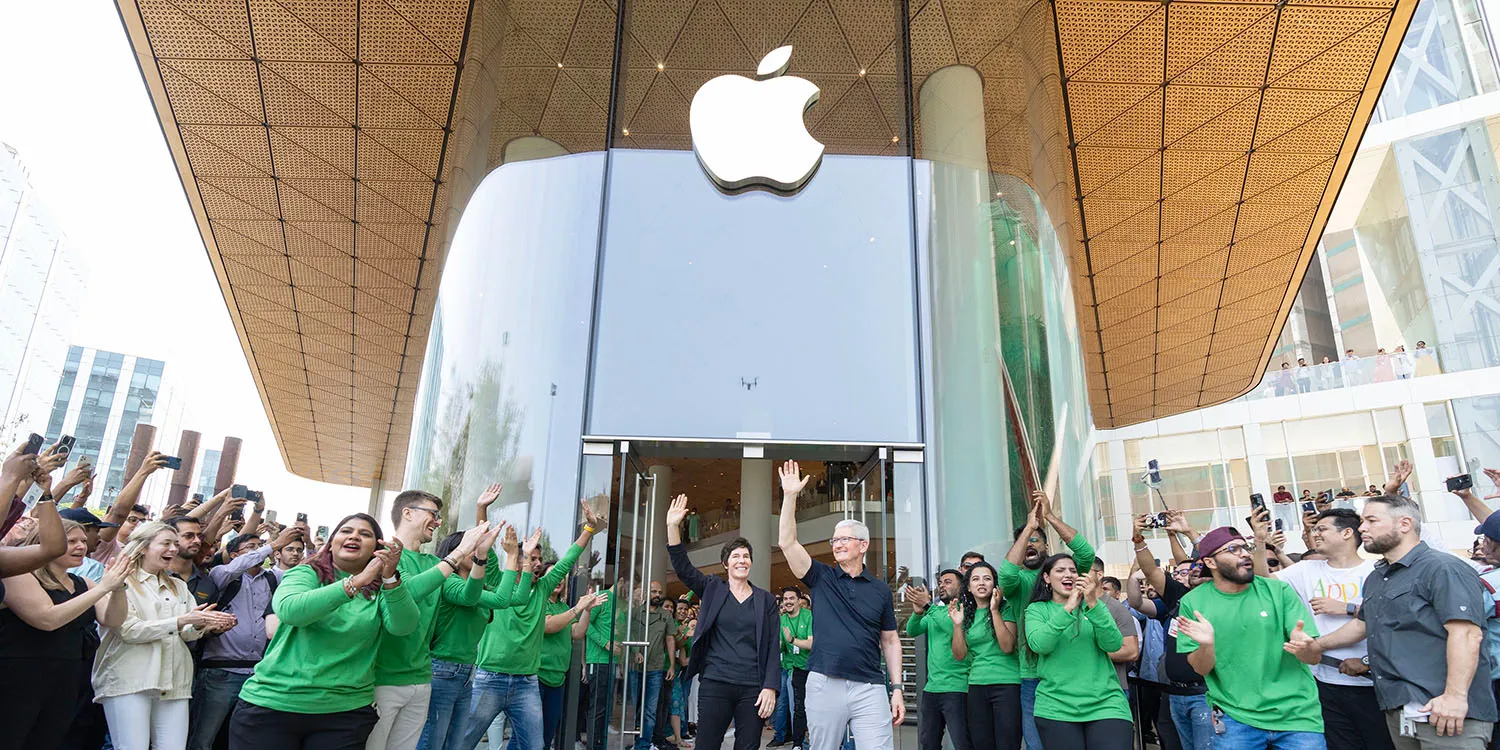
Next year to be Apple’s ‘biggest product year’ ever, here’s what’s coming
Apple reportedly has 15+ new products launching this fall, but according to Bloomberg’s Mark Gurman, 2027 will be even bigger for the company. Here’s what’s coming.
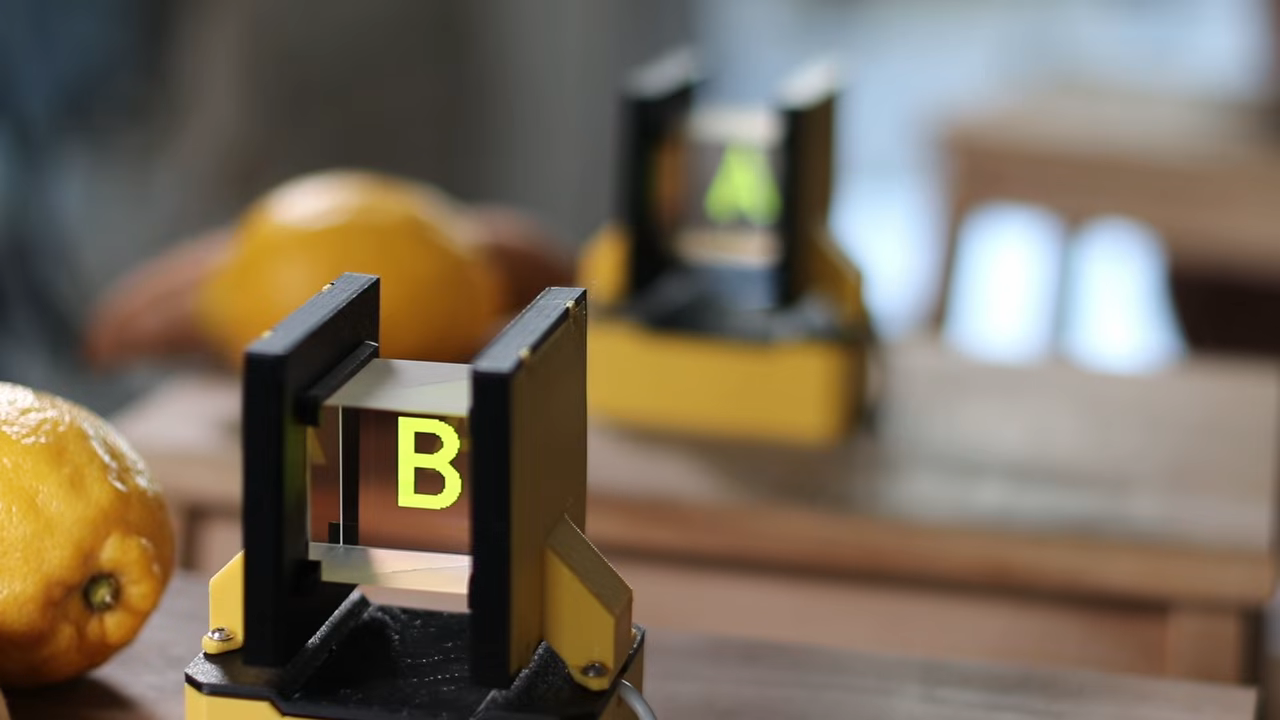
Building A 2-Way Holographic Display
Holographic displays sound very fancy but you can build various simple types yourself at home. [Julius Makes] whipped up a neat design that shows a different image depending on the …read more

New book: Trump mocked Zuckerberg and Bezos by showing associates their fawning texts, saying they were "kissing my ass"; Musk called it "First-class groveling" (Hugo Lowell/Wired)
Hugo Lowell / Wired: New book: Trump mocked Zuckerberg and Bezos by showing associates their fawning texts, saying they were “kissing my ass”; Musk called it “First-class groveling” — “You would not believe the texts I got from these tech guys,” NYT reporters Maggie Haberman …
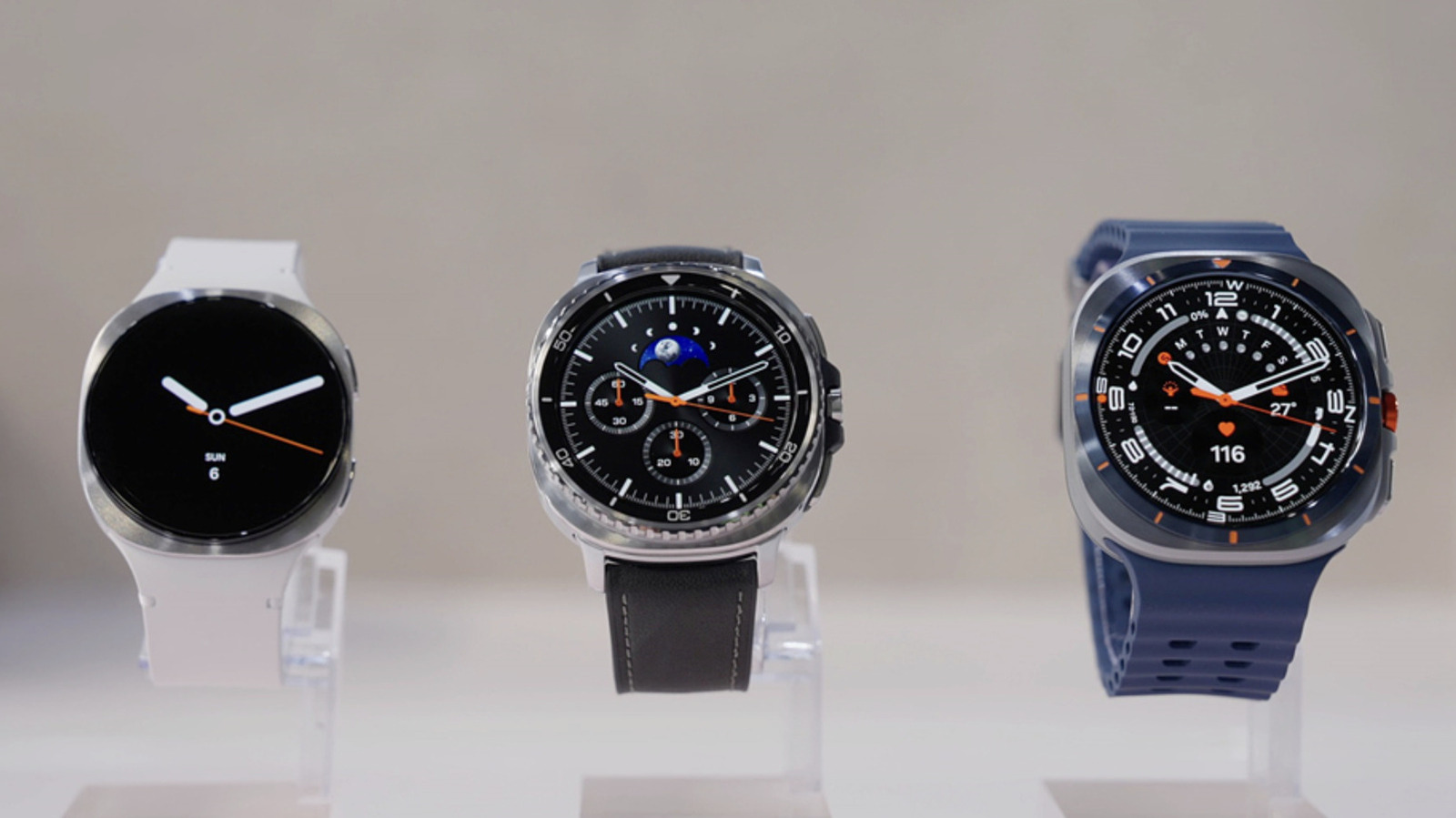
How to pay with Google Wallet using your Samsung Galaxy Watch
You don't have to have a Pixel Watch to use Google Wallet. Here's how to set it up on your Galaxy Watch.