The burden of surviving
Nobel laureate, political activist, and Holocaust survivor Elie Wiesel once wrote, “I live, therefore I am guilty. I am here because a friend, an acquaintance, an unknown person died in my place.” Wiesel was describing what is recognized in psychology as survivor’s guilt. This re

opinion / Columnists Columnists Undercurrent The burden of surviving By: Eleanor Pinugu - @inquirerdotnet Philippine Daily Inquirer / 05:20 AM June 22, 2026 Share: Nobel laureate, political activist, and Holocaust survivor Elie Wiesel once wrote, “I live, therefore I am guilty. I am here because a friend, an acquaintance, an unknown person died in my place.” Wiesel was describing what is recognized in psychology as survivor’s guilt.
This refers to the heavy burden of remorse, self-blame, and moral anguish that an individual feels after surviving a tragic event in which others died while they lived. Survivors may feel that their own survival somehow requires explanation, justification, or even punishment. Ateneo basketball players Kieffer Alas and Sam Reyes recently spoke with Pia Hontiveros on The Pod Network about their near-death experiences during the Aurora tragedy that claimed the lives of their teammates, Rene Baterbonia and Divine Adili.
Reyes shared that he felt intense guilt, believing he could have done more to save Baterbonia. “It was eating me alive,” he said, describing how he could not sleep and how his teammate’s face kept appearing in his mind. He also spoke about questioning why God allowed him to survive when others did not.
Article continues after this advertisement Those who suffer from survivor’s guilt often fixate on several painful thoughts. The first is the “Why me?” question: Why did I survive while others were harmed or killed?
The second is the “should have” fallacy: the tendency to keep revisiting what happened and believe they could have done more to change the outcome, even if the situation was out of their control. The third is guilt over returning to life itself: the belief that one no longer deserves to be happy, to succeed, or to continue living normally because others no longer can.FEATURED STORIES OPINION Delivering a baggage of lies OPINION Is the Philippines now a gray-zone state?
OPINION ‘Eruption and Exodus’ What makes the situation even more painful is that Alas and Reyes are not only carrying the trauma of what happened but also the public’s anger over what people believe happened. Both players shared that they have been receiving death threats and hostile comments on social media. Some have accused them of jealousy and even of being perpetrators, inventing wild stories about how they somehow caused the deaths of their teammates.
Alas described it as “going through two deaths.” The first was losing their friends. The second was being publicly blamed for their deaths.
Reyes put it even more painfully: “Nabuhay nga po kami, pero parang pinapatay po kami.” Rather than respond to the interview with empathy and compassion, however, many people doubled down on their anger. Some dismissed their words as scripted.
Others chose to dissect Alas’ posture, gestures, and the position of his hands, claiming he had a “defensive stance” and therefore must be hiding the truth. It is both alarming and heartbreaking that so many people are willing to share and amplify these posts simply because their unverified claims reinforce the narratives they already want to believe. Article continues after this advertisement These two young men, along with every other player who survived, are victims too.
They witnessed the deaths of their teammates. They nearly lost their own lives. And now, because of social media, they are experiencing secondary victimization.
The public is inflicting additional harm by telling them that their words are suspicious, their grief is fake, and their survival is undeserved and must be explained. They have already expressed that they feel guilty about coming home alive. And yet some people choose to viciously validate that guilt by making them feel as if they did not deserve to survive.
The failure of Ateneo’s management to provide clear, timely, and compassionate information created an informational vacuum that allowed speculation to flourish. The institution should be held to account not only for the circumstances that led to the tragedy, but also for how its response may have compounded the pain and confusion of grieving families and other survivors. However, it is equally important to call out people who insist on holding on to speculative narratives even as credible accounts and official processes begin to clarify the facts.
The country’s collective grief and anger are warranted, but they do not justify any form of cruelty toward those who are also victims of the tragedy. The public should continue to ask serious questions about supervision, safety protocols, risk assessment, decision-making, emergency response, and the broader responsibilities of those entrusted with student welfare. What we should not be doing is inventing motives or assigning blame to the young people who also barely survived.
Article continues after this advertisement Our pursuit of justice must be anchored in facts, not in the narratives we are emotionally attached to. If we say we are se
Đọc thêm từ Thế giới
![이쯤 되면 ‘미우새’가 미우새…3주 연속 연예인 '호화 집자랑'에 갇혔다 [Oh!쎈 초점]](https://www.chosun.com/resizer/v2/HBQTAN3GGJTDGOJVMI4GCMJQGQ.png?auth=ccaa9b4d489ae43039c085b975bf935367e4afcb4988b149278a9aeef3b18dd8&smart=true&width=650&height=353)
이쯤 되면 ‘미우새’가 미우새…3주 연속 연예인 '호화 집자랑'에 갇혔다 [Oh!쎈 초점]
[OSEN=김수형 기자] SBS 예능 ‘미운 우리 새끼’가 또다시 ‘연예인 집 자랑’에 휩싸였다. 관찰 예능의 본질은 사람을 보여주는 데 있지만, 최근 ‘미우새’는 출연자의 삶보다 고급 주택과 럭셔리 인테리어를 전면에 내세우는 연출을 반복하며 시청자들의 피로감을 키우고 있다.최근 방송에서는 배우 한다감의 한강뷰 2층 주택이 공개됐다. 표면적으로는 김준호가
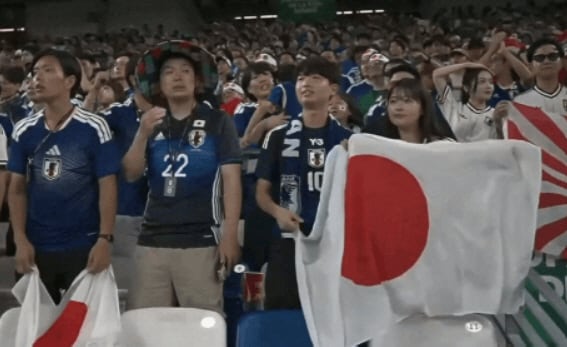
"대충격!" 대한민국 분노 폭발 日 제국주의 상징 '욱일기' 응원 등장…일본 '韓, 일본 팬 행동 비판→엄격한 시선'
[몬테레이(멕시코)=스포츠조선 김가을 기자]대한민국이 분노했다. 모리야스 하지메 일본 월드컵대표팀 감독이 이끄는 일본은 21일(이하 한국시각) 멕시코의 에스타디오 몬테레이에서 열린 튀니지와의 2026년 북중미월드컵 조별리그 F조 2차전에서 4대0으로 대승했다. 일본은 이날 아시아 국가로는 처음으로 월드컵에서 한 경기 4골을 넣는 역사를 작성하며 환호했다.
JD Vance holds peace talks with Iran as Trump threatens strikes over Hormuz
The president's warning underscores persistent tensions even as Vance said in Switzerland that he hoped the two sides would “turn over a new leaf” in their relationship.
ゴルフ 米女子ツアー 山下美夢有がプレーオフ制し今季初優勝
女子ゴルフのアメリカツアーの大会は21日、ミシガン州で最終ラウンドが行われ、山下美夢有選手が通算17アンダーで並んだイギリスの選手とのプレーオフを制し、今シーズン初優勝を果たしました。