The Best Backpacking Sleeping Pads, Tested on the Trail (2026)
Our top-pick sleeping pads from Nemo, Therm-a-Rest, and Gossamer Gear use high-tech materials to engineer the best sleep you can get outdoors.

CommentLoaderSave StorySave this storyCommentLoaderSave StorySave this storyFeatured in this articleBest All-Around Backpacking PadNemo Equipment Tensor All-SeasonRead more$240 REI (Regular Wide)Best Ultralight Sleeping PadTherm-a-Rest NeoAir Xlite NXT Sleeping PadRead more$210 AmazonFor the Ultimate Backcountry ComfortTherm-a-Rest NeoLoft Sleeping PadRead more$250 REIFor Side SleepersExped Ultra 6.5R Sleeping PadRead more$200 REI (Regular)What are these sleeping pads you speak of? When I was young, all backpacking was uphill both ways and everyone slept on the ground in sleeping bags with only a half-inch of thin closed-cell foam between us and every pebble.
We also filtered our water with our teeth and ate mainly raw meat and foraged ramps. Kids these days.Still, I suppose there is something to be said for getting a good night’s sleep at the end of a long day on the trail.
These days, there’s no shortage of packable, lightweight sleeping pads to make sure no peas (or pebbles) ever disturb your slumber on your next backpacking trip. We’ve spent countless nights on all manner of sleeping pads, and we’re happy to report that in all this time we’ve never had one fail on us. That said, there are some standouts—looking at you, Nemo Tensor All Season—and a few to avoid.
Updated July 2026: We’ve added Exped’s new Ultra 6.5R sleeping pad, removed several discontinued pads from our honorable mentions, added some more advice about R-values and warmth, and updated price and links throughout.How to Choose a Backpacking Sleeping PadAccordionItemContainerButtonLargeChevronHere are some general guidelines to keep in mind when shopping for a new sleeping pad.
When backpacking, we suggest sticking with inflatable pads or self-inflating pads (though these are generally heavier), which offer the best insulation and cushioning for their size and weight. Whatever your specific needs, your goal is always to find the best warmth-to-weight ratio. More warmth means more weight.
Keep the following tips in mind.Know your intended use. Every ounce counts, and so does the packed size.
Smaller, lighter pads take up less room in your pack and are great for a thru-hike where you’re trying to minimize gear size to make room for food. Also, consider the climate. If you plan to camp in Michigan in the fall where cold weather is all but guaranteed, you need a much more insulated pad to protect you from cold ground temps than you do when camping in the Everglades in August.
Bonus tip: Don’t camp in the Everglades in August.Know thyself. Everyone sleeps differently, and different pads will be better for different people.
Are you a side sleeper who sleeps cold? Go for a thicker pad with more insulation. Sleeping every which way and always waking up hot?
Get an ultralight pad that’s quiet, so your tossing and turning won’t disturb your tent mates.Consider your entire sleep system. The pad is the foundation, but how warm you sleep will also be affected by your sleeping bag, pillow, even which base layers you bring.
(Many people don’t know this, but sleeping bag temperature ratings assume you’re wearing a base layer.)You might need two. Sleeping pads are not a one-size-fits-all solution.
A lightweight pad that’s perfect on balmy summer nights isn’t going to cut it at an alpine camp in early spring. It might be tempting to just get the summer pad and bring a heavier sleeping bag in spring, but this does not lead to restful nights. A good sleeping pad means the difference between being warm and getting rest or shivering all night, even in the same sleeping bag.
Trust us. We do it so you don’t have to.Comfort is key.
I know I joke about sleeping on tiny closed-cell-foam pads, but there’s no need to anymore. This guide is proof that comfortable sleeping pads exist and weigh next to nothing. Even though I really did sleep on the ground 35 years ago, you couldn’t pay me to do it now.
Now I almost always bring two pads: one inflatable and one thin, closed-cell foam. The latter gives me a place to sit in the evening and adds quite a bit of warmth and a no-slip sleeping surface when I need it at night.What Are R-Values?
AccordionItemContainerButtonLargeChevronThey’re a long con by the outdoor industry. Or at least they were. Now they’ve been standardized, so, in theory, you can compare brands’ R-values and it will mean something.
If you see the acronym ASTM (or ASTM FF3340), it’s using this new system. If you don’t, it’s pretty much made up. Thankfully, REI has been pressuring brands to adopt the new system, so most of the R-value listings you see today use the standardized system.
So what is an R-value, then? A sleeping pad’s R-value is a measure of how much it resists heat flow. (Get it?
R for “resists”?) The scale is simple. An R-value of 2 means it resists heat twice as much as a value of 1.
So a higher R-value means the pad will better insulate you from the ground. Unlike with sleeping bags, where buying too warm of a bag is going to be bad for summer ca
Đọc thêm từ Công nghệ
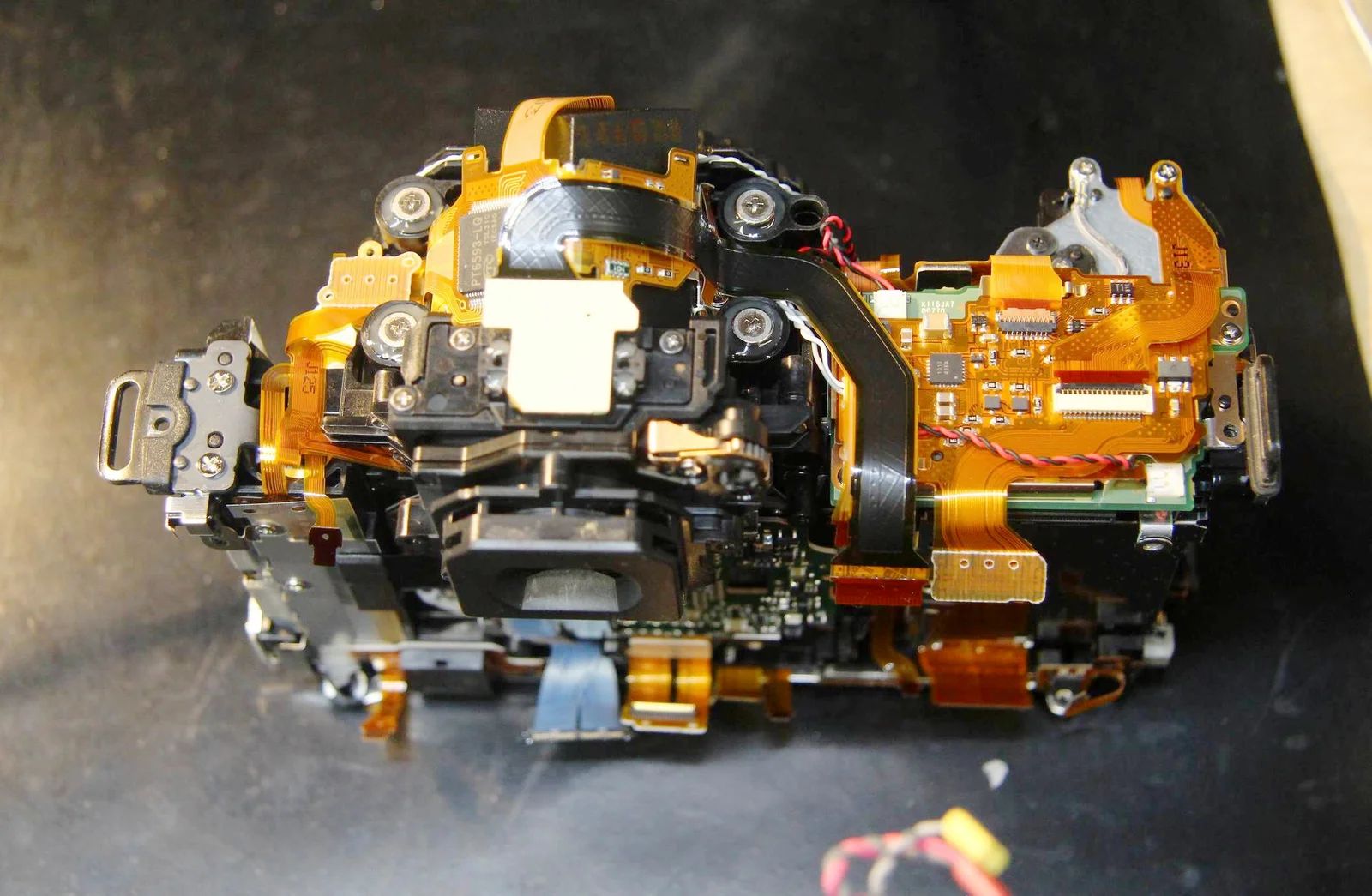
Repairing a “for parts” Canon 7D Mark II DSLR
The exciting part of buying a ‘broken, for parts’ off a site like EBay is that you rarely know exactly just how ‘broken’ it truly is. Even if the seller …read more

Only 20% Of Humans Have A Dimple In Their Chin — An Evolutionary Biologist Explains Why
Only about 1 in 5 people have a chin dimple. An evolutionary biologist unpacks the genetics — and the deeper mystery of why humans have chins at all.

The No. 1 Belief That’s Secretly Running Your Whole Life — And A Test That Reveals Yours
A hidden belief system shapes how you read everything that happens to you.
Ask HN: What are the most promising RL fields for a new master student?
i am an incoming msc student thinking about a research direction in reinforcement learning. which rl subfields do you think have the most potential right now? i am particularly interested in emboddied ai and bcis. Comments URL: https://news.ycombinator.com/item?id=49057972 Points