The art of suffering quietly in the PH
I used to think the most dangerous thing in the Philippines was violence. I thought it was the gunshots echoing through dark streets at midnight. The motorcycles slowing down beside you just long enough to make your chest tighten. The headlines about another body found on the roa

opinion / Columns Columns YOUNG BLOOD The art of suffering quietly in the PH By: Jeniville Villamor - @inquirerdotnet Philippine Daily Inquirer / 05:15 AM June 20, 2026 Share: I used to think the most dangerous thing in the Philippines was violence. I thought it was the gunshots echoing through dark streets at midnight. The motorcycles slowing down beside you just long enough to make your chest tighten.
The headlines about another body found on the roadside by morning. But I was wrong. Every morning before sunrise, I force myself into overcrowded jeepneys beside construction workers, students, vendors, and exhausted employees who all looked half-awake and half-defeated.
We sit shoulder to shoulder in silence, sweating under the heat, carrying the same invisible burden: survive today, then survive tomorrow, then somehow do it all over again. Article continues after this advertisement The roads leading to the business district always fascinated me. One side of the city looked abandoned by progress: floodwater trapped in potholes, tangled electrical wires hanging dangerously above homes made from patched metal sheets, children running barefoot through narrow streets that smelled of smoke and sewage.
FEATURED STORIES OPINION Delivering a baggage of lies OPINION Is the Philippines now a gray-zone state? OPINION ‘Eruption and Exodus’ Then only minutes away stood another world entirely. Towering condominiums.
Air-conditioned malls. Luxury cars. Expensive restaurants.
Same city. Same country. Different realities.
Sometimes I wondered if poverty in the Philippines was no longer considered a tragedy. As if it had become scenery. Even politicians treated suffering like performance art and election season always hurts the most.
The streets suddenly become filled with smiling faces on tarpaulins promising change, hope, a better future. Different colors. Different slogans.
But after every election, the poor are still poor. Article continues after this advertisement I noticed how quickly ordinary people were blamed for their own hardship. When someone stole food, society called them criminals.
When workers collapsed from exhaustion, people called them weak. When families drowned in debt, they were told they simply did not work hard enough. But the powerful?
The rules always seemed softer for them. Corruption scandals disappeared beneath press conferences and handshakes. Public funds vanished while hospitals lacked medicine and classrooms lacked chairs.
Wealthy officials spoke about sacrifice while escorted by security guards and luxury vehicles paid for by taxpayers who could barely afford rice. Article continues after this advertisement And still, ordinary Filipinos continued enduring everything in silence. I see it in breadwinners forcing themselves to work through anxiety attacks because resting is a luxury they cannot afford.
In employees crying silently inside workplace bathrooms, returning to work as if nothing happened. In fathers pretending they already ate so their children can have the last portion of rice. In mothers forcing smiles while drowning in unpaid bills.
One night, while walking home, I saw a crowd gathered near the roadside. Someone had been caught in the middle of violence nearby. People stood around staring for a moment before slowly continuing on with their night.
By morning, the blood was gone. The street was busy again. Vendors were selling breakfast.
Jeepneys were full. Children were laughing on the sidewalks. I finally understood the deepest wound of this country: Filipinos had become too familiar with pain.
Too accustomed to corruption. Too used to watching injustice happen in broad daylight without believing anything could change. Life moved on so quickly it was almost terrifying.
The longer I looked around, the clearer the pattern became. A small group remained comfortably above everyone else while millions carried the weight of keeping the country alive beneath them. Workers built cities they could never afford to live in.
Farmers produced food they themselves struggled to eat. Citizens paid taxes into systems that rarely protected them. And the cruelest part?
Most Filipinos are too exhausted trying to survive to even question why life has to be this painful in the first place. Sometimes I look around and wonder how many people are silently drowning beside me. How many workers are one breakdown away from collapsing.
How many students are carrying dreams they can no longer afford. How many families are pretending to be okay because they have no choice but to keep going. Because here in the Philippines, survival often comes before humanity.
You keep working even when your body is begging you to stop. You stay silent because speaking up changes nothing. You learn how to carry pain so well that eventually people stop noticing you’re hurting at all.
And maybe that’s what hurts the most. Because this country slowly teaches people to accept suffering as part of everyday life. As if we were born onl
Đọc thêm từ Thế giới
![[멕시코 올라] 경기 전엔 “형제여~”, 휘슬이 울리자 분위기가 반전됐다](https://flexible.img.hani.co.kr/flexible/normal/300/180/imgdb/original/2026/0620/20260620500155.webp)
[멕시코 올라] 경기 전엔 “형제여~”, 휘슬이 울리자 분위기가 반전됐다
본문스포츠스포츠 특집월드컵[멕시코 올라] 경기 전엔 “형제여~”, 휘슬이 울리자 분위기가 반전됐다김영원기자수정 2026-06-20 08:00펼침기사를 읽어드립니다Your browser does not support theaudio element.0:00멕시코가 19일(한국시각) 멕시코 할리스코주 사포판 과달라하라 경기장에서 열린 2026 북중미 월드컵 A조 2차전에서 승리하며 한국과 멕시코 축구 팬들의 희비가 엇갈리고 있다. 사포판/김영원 기자 forever@hani.
![삶의 해상도를 높이는 ‘공간 문해력’ [.txt]](https://flexible.img.hani.co.kr/flexible/normal/300/180/imgdb/original/2026/0618/20260618504006.webp)
삶의 해상도를 높이는 ‘공간 문해력’ [.txt]
본문사설.칼럼칼럼삶의 해상도를 높이는 ‘공간 문해력’ [.txt]수정 2026-06-20 08:00펼침기사를 읽어드립니다Your browser does not support theaudio element.
조선시대 성곽길에서 미래도시 DDP까지, 수백년을 달리다 ‘마라닉’ 이재진의 러닝 코스
본문특화섹션esc섹션조선시대 성곽길에서 미래도시 DDP까지, 수백년을 달리다 ‘마라닉’ 이재진의 러닝 코스수정 2026-06-20 08:00펼침기사를 읽어드립니다Your browser does not support theaudio element.0:00잠수교 일대 밤 풍경. 서울시 제공 광고같은 도시인데, 밤이 되면 서울은 낮과 다른 도시가 된다.
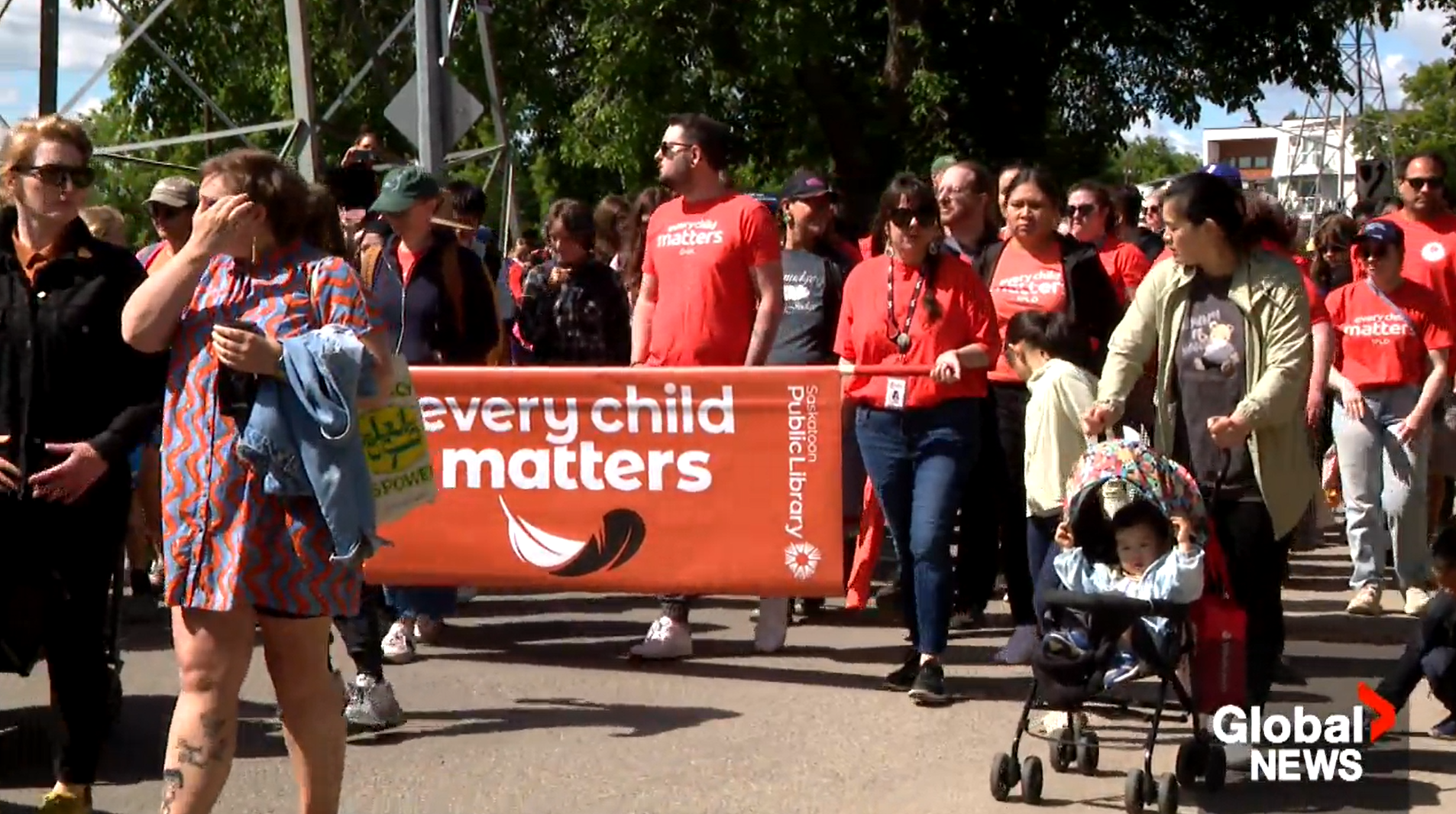
How Saskatoon’s Rock Your Roots is shaping the next generation
As the next generation gathers for National Indigenous Peoples Day, Rock Your Roots hosted thousands of kids to help shape the future of reconciliation in Saskatoon.