Taiwan’s central bank meets Bitcoin Policy Institute to discuss bitcoin as a reserve asset
Taiwan's exploration of Bitcoin as a reserve asset could reshape its financial strategy, offering diversification and geopolitical resilience. The post Taiwan’s central bank meets Bitcoin Policy Institute to discuss bitcoin as a reserve asset appeared first on Crypto Briefing.
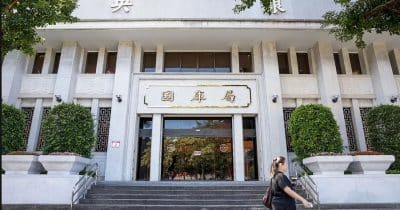
Taiwan’s central bank meets Bitcoin Policy Institute to discuss bitcoin as a reserve asset A Taiwanese legislator formally presented a case for allocating part of the country's $602 billion in foreign reserves to Bitcoin, marking a significant shift in the island's crypto policy stance. Share Add us on Google by Editorial Team Jun. 15, 2026 Taiwan just took its most concrete step yet toward treating Bitcoin as more than a speculative curiosity.
On April 29, Legislator Dr. Ko Ju-Chun presented a report from the Bitcoin Policy Institute to both Premier Cho Jung-tai and Central Bank of China (CBC) Governor Yang Chin-long during a legislative session, arguing that Taiwan should allocate a portion of its foreign exchange reserves to Bitcoin. Taiwan holds approximately $602 billion in foreign exchange reserves.
The BPI report makes the case that even a small slice directed toward Bitcoin could provide meaningful diversification, seizure resistance, and a hedge against inflationary monetary policies, particularly those tied to heavy USD exposure. The geopolitical argument Taiwan can’t ignore The BPI report frames Bitcoin’s seizure resistance as a feature with obvious relevance for an island nation facing persistent territorial threats from the People’s Republic of China. Traditional reserve assets like US Treasuries or gold held in foreign vaults carry counterparty risk.
If geopolitical tensions escalate, those assets could theoretically be frozen, redirected, or rendered inaccessible. Bitcoin, stored with proper custody protocols, sidesteps that problem entirely. Advertisement The report also positions Bitcoin as an alternative to the heavy dollar concentration typical of Asian central bank reserves.
The CBC already said no once In late 2025, the CBC conducted its own evaluation of Bitcoin as a potential reserve asset. The conclusion at the time was a firm pass, with the central bank citing concerns over volatility, liquidity constraints, and custody risks. The CBC established a digital asset sandbox using 210 bitcoins seized from illicit activities.
Taiwan’s financial regulators have classified Bitcoin as a speculative commodity since roughly 2013-2014. The sandbox represents a quiet but meaningful evolution from that initial stance. What comes next: legislation and stablecoins Following his BPI presentation, Dr.
Ko requested a follow-up report specifically examining stablecoins and their broader implications for digital asset reserves. That report is expected within a month of the initial presentation. Taiwan also has broader regulatory frameworks in development.
The Virtual Assets Service Act and accompanying stablecoin regulations are working their way through the legislative process, designed to give the island a coherent legal structure for digital assets. What this means for investors For crypto markets, $602 billion in reserves means even a 1% allocation would represent billions in demand. The digital asset sandbox and upcoming stablecoin report will be the next meaningful data points to track.
Disclosure: This article was edited by Editorial Team. For more information on how we create and review content, see our Editorial Policy. MARKETS Taiwan’s central bank meets Bitcoin Policy Institute to discuss bitcoin as a reserve asset A Taiwanese legislator formally presented a case for allocating part of the country's $602 billion in foreign reserves to Bitcoin, marking a significant shift in the island's crypto policy stance.
by Editorial Team Just now ago Share Add us on Google Taiwan just took its most concrete step yet toward treating Bitcoin as more than a speculative curiosity. On April 29, Legislator Dr. Ko Ju-Chun presented a report from the Bitcoin Policy Institute to both Premier Cho Jung-tai and Central Bank of China (CBC) Governor Yang Chin-long during a legislative session, arguing that Taiwan should allocate a portion of its foreign exchange reserves to Bitcoin.
Taiwan holds approximately $602 billion in foreign exchange reserves. The BPI report makes the case that even a small slice directed toward Bitcoin could provide meaningful diversification, seizure resistance, and a hedge against inflationary monetary policies, particularly those tied to heavy USD exposure. The geopolitical argument Taiwan can’t ignore The BPI report frames Bitcoin’s seizure resistance as a feature with obvious relevance for an island nation facing persistent territorial threats from the People’s Republic of China.
Traditional reserve assets like US Treasuries or gold held in foreign vaults carry counterparty risk. If geopolitical tensions escalate, those assets could theoretically be frozen, redirected, or rendered inaccessible. Bitcoin, stored with proper custody protocols, sidesteps that problem entirely.
Advertisement The report also positions Bitcoin as an alternative to the heavy dollar concentration typical of Asian central bank reserves. The CBC already said no once In late 2025, the CBC conducted its own evaluatio
Đọc thêm từ Tiền số / Crypto

United States removes Oman from Iran negotiation role over duplicitous conduct
The removal of Oman from Iran negotiations may strain US-Gulf relations and complicate future diplomatic efforts in the region. The post United States removes Oman from Iran negotiation role over duplicitous conduct appeared first on Crypto Briefing.
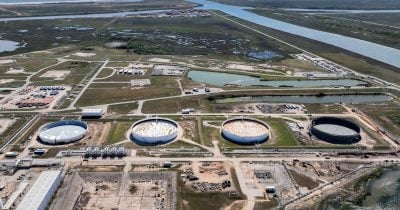
US Strategic Petroleum Reserve stocks fall to lowest since 1983
The depletion of the US Strategic Petroleum Reserve heightens energy market volatility, impacting economic stability and geopolitical leverage. The post US Strategic Petroleum Reserve stocks fall to lowest since 1983 appeared first on Crypto Briefing.

Michael Saylor pitches Bitcoin as the foundation of ‘digital capitalism’ at BTC Prague 2026
Saylor's vision of Bitcoin as a digital capitalism foundation could revolutionize financial systems, impacting global economic structures. The post Michael Saylor pitches Bitcoin as the foundation of ‘digital capitalism’ at BTC Prague 2026 appeared first on Crypto Briefing.
US to finalize peace deal with Iran as Strait of Hormuz reopens Friday
The peace deal's immediate impact stabilizes global oil and crypto markets, but unresolved nuclear issues could reignite geopolitical tensions. The post US to finalize peace deal with Iran as Strait of Hormuz reopens Friday appeared first on Crypto Briefing.