Strait of Hormuz ship bottleneck could fuel invasive species nightmare
Hundreds of ships currently sitting in the Strait have untold organisms in their hulls. The post Strait of Hormuz ship bottleneck could fuel invasive species nightmare appeared first on Popular Science.
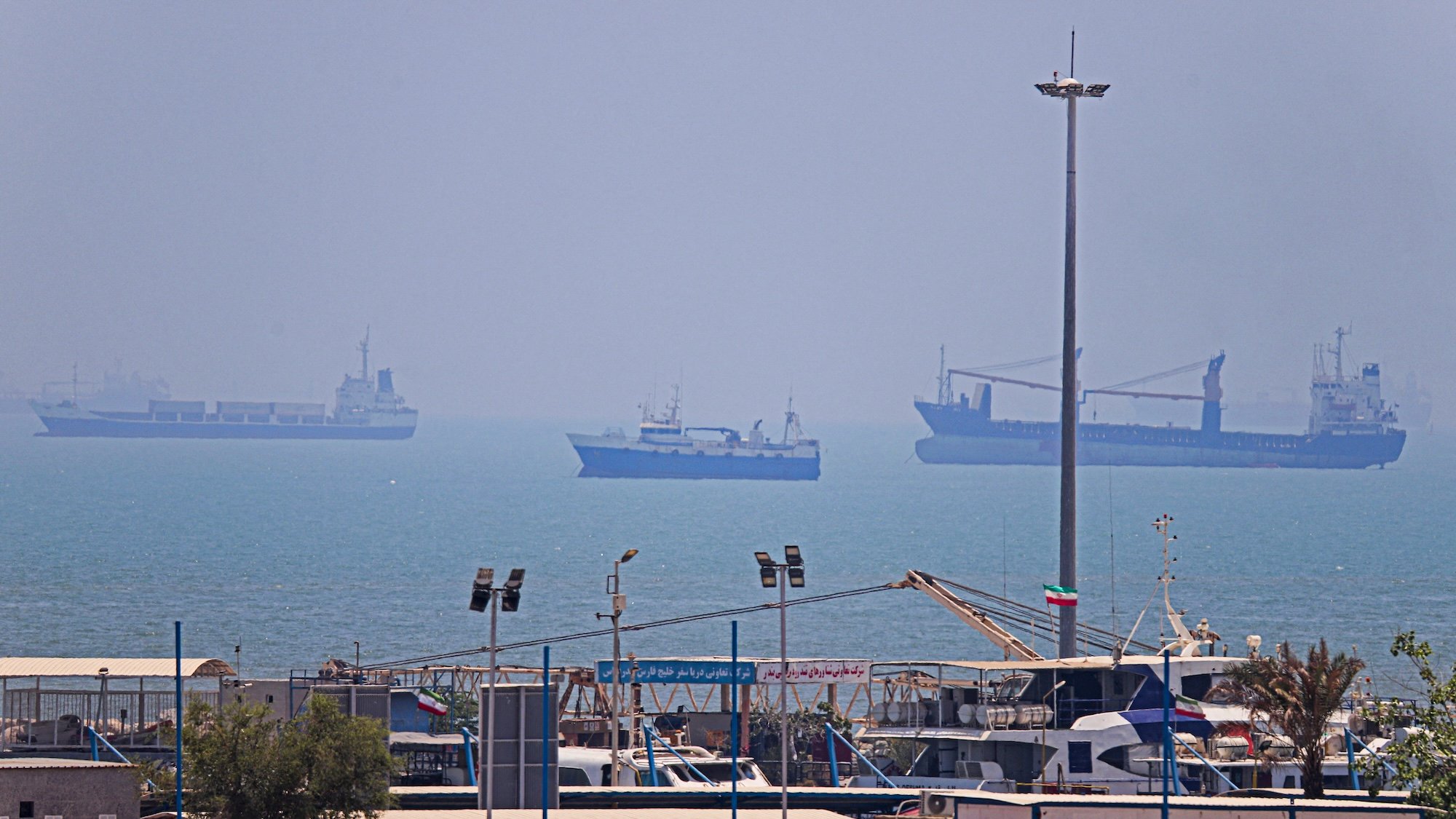
The ongoing closure of the Strait of Hormuz amid the United States’ war with Iran may not only be causing problems for the global economy. Marine scientists now warn that the thousands of vessels stuck in the Persian Gulf could inadvertently introduce an unprecedented wave of invasive species, parasites, and pathogens into the region. The team’s report is laid out in a study recently published in the journal Biological Invasions.
According to the paper’s authors, including Woods Hole Oceanographic Institution (WHOI) marine biologist Carolyn Tepolt, these extremely disruptive newcomers are often “extremely difficult, if not impossible” to remove once they are there. “This disruption to global shipping has many repercussions and has also more quietly created ideal conditions to spread warm-water species to new ports,” Tepolt said in a statement. Vessels remain stranded in the Strait of Hormuz as of July 28, 2026.
Credit: Vessel Tracker Invasive organisms have been making their way into unprepared ecosystems around the world for centuries, thanks to maritime trade routes and a process known as ship biofouling. Merchant ships inadvertently began exporting the European green crab (Carcinus maenas) during the 1800s, and the ravenous crustaceans are now found on every continent except for Antarctica. The brown tree snake (Boiga irregularis) likely hitched rides aboard ships bound for Guam during the 1950s, and have since hunted multiple of the island’s native species to extinction in a matter of decades.
Some of the most disruptive newcomers never make it onto land. Tepolt and her study co-authors cite recent issues with Margalefidinium polykrikoides, a toxic, fish-killing red algae bloom that often lurks inside a ship’s water ballast before spreading across destination ports. The bay barnacle (Amphibalanus improvisu) can thrive in both high and low salinity waters, where they compete with native organisms for resources and block intake pipes at factories and power station
Đọc thêm từ Khoa học

DJI Lito 1 drone review
The DJI Lito 1 is an impressive entry-level drone thanks to features including omnidirectional obstacle sensing and respectable image quality.

Gunther von Hagens, Creator of Polarizing ‘Body Worlds’ Exhibits, Dies at 81
A German scientist, he developed a process for turning corpses into posable figures. His shows drew millions of visitors, and many detractors.
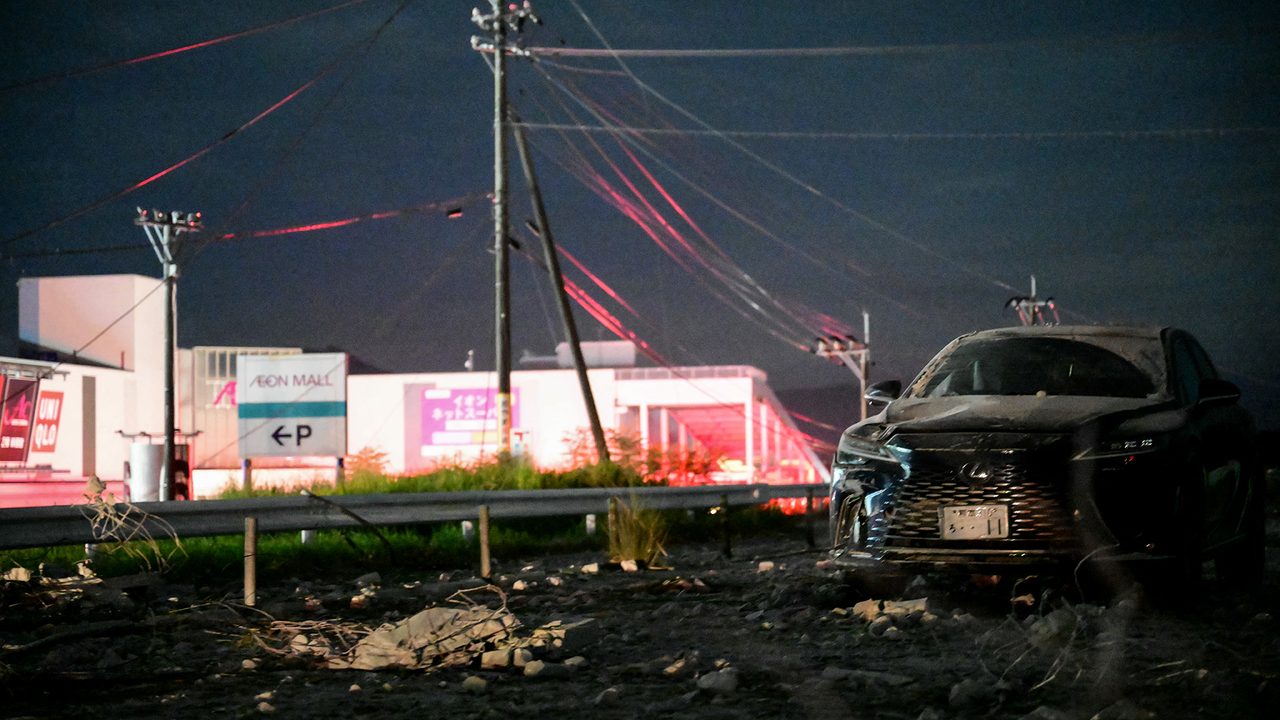
6.8 earthquake traps shoppers as mall collapses in Japan — here's why the seismic event was unusual
A strong inland earthquake in southwestern Japan trapped people inside a shopping center and damaged infrastructure. Here's what made this quake unusual and why aftershocks remain a concern.
/https://tf-cmsv2-smithsonianmag-media.s3.amazonaws.com/filer_public/c1/71/c1713dfc-2ae8-47d4-bdad-8b343dbf55ff/usfws-okefenokee-national-wildlife-refuge.jpeg)
This Alligator-Infested Swamp in the American South Just Joined the UNESCO World Heritage List, Along With the Home of the Greek Gods
The 25 new locations, determined to bear "outstanding universal value" for the world, also include the D-Day landing site in Normandy, France