SMH vs. SOXX vs. SOXQ: Which Semiconductor ETF Is the Best Buy Right Now?
Microsoft, Amazon, Alphabet, Meta Platforms, and Oracle committed to spending nearly $700 billion on capital expenditures for 2026, an 81% increase over the prior year. The majority of that spending will help these companies meet semiconductor demand. There are two primary exchan
Microsoft, Amazon, Alphabet, Meta Platforms, and Oracle committed to spending nearly $700 billion on capital expenditures for 2026, an 81% increase over the prior year. The majority of that spending will help these companies meet semiconductor demand. There are two primary exchange-traded funds (ETFs) that compete in this sector: the VanEck Semiconductor ETF (NASDAQ: SMH) and the iShares Semiconductor ETF (NASDAQ: SOXX).
Another, the Invesco PHLX Semiconductor ETF (NASDAQ: SOXQ), is on the rise to become the third. All three hold substantially the same names. The main differences come down to cost and concentration.
Missed Nvidia in 2009? This Rare Signal Is Flashing Again. In 2009, a "Double Down" signal flashed for a little-known chipmaker called Nvidia.
For the first time in years, that same "Total Conviction" signal is flashing for a company 1/100th the size of Nvidia. Continue » SMH is the more concentrated AI infrastructure play. SOXQ is the cheapest to own.
SOXX has perhaps the hardest investment case to make of the three. Image source: Getty Images. VanEck Semiconductor ETF (SMH) SMH tracks the 25 stocks within the MVIS US Listed Semiconductor 25 Index.
It is market cap-weighted with essentially no cap on individual positions. That gives the portfolio a heavier mega-cap tilt. Its top holdings are: Nvidia: 15.
55% Taiwan Semiconductor Manufacturing: 9.78% Micron Technology: 7.28% Advanced Micro Devices: 7.
22% Intel: 6.56% iShares Semiconductor ETF (SOXX) This ETF currently holds 30 names and tracks the ICE Semiconductor Index. It also cap-weights the portfolio, but puts limits on how much any one stock can account for.
That gives it a slightly higher tilt to smaller companies. Its top holdings are: Micron: 11.04% Advanced Micro Devices: 9.
51% Broadcom: 6.58% Intel: 6.53% Marvell Technology: 6.
18% Invesco PHLX Semiconductor ETF (SOXQ) This ETF currently holds around 30 stocks and tracks the PHLX Semiconductor Sector Index. Its portfolio is substantially the same as SOXX's, but its 0.19% expense ratio is nearly half that of SOXX.
Its top holdings are: Micron: 11.26% Nvidia: 9.12% Broadcom: 8.
39% Intel: 6.67% Advanced Micro Devices: 6.51% Data by YCharts.
SMH vs. SOXX vs. SOXQ The VanEck Semiconductor ETF is clearly the most top-heavy of the three, but it's also the one that's performed the best.
Its 36% average annual return over the past five years easily beats the 31% average of the iShares Semiconductor ETF. Nvidia and TSMC account for 25% of SMH's portfolio. Both of them are going to be major capex spenders.
This is the fund to own if you want to overweight those two stocks. Story Continues The individual holding caps in the iShares Semiconductor ETF creates a more balanced portfolio. But it's the fund's cost that becomes the detractor.
It has an expense ratio of 0.34%, nearly the same as the Invesco PHLX Semiconductor ETF, which has a 0.19% expense ratio.
That takes it down to SMH versus SOXQ. Despite minor differences in portfolio construction, these three ETFs are likely to perform similarly. What outperforms at any given time might depend most on whether mega-caps are leading or not.
That's where cost comes into play. I prefer the slightly more diversified play at nearly half the cost. The lower expense ratio has caused the Invesco PHLX Semiconductor ETF to modestly outperform the iShares Semiconductor ETF over the past several years.
That's a pattern you'd expect to see. I'll choose the Invesco PHLX Semiconductor ETF as the winner. It's important to note that these should be considered satellite, not core, holdings.
Limit your position sizing. But capex spending, along with anticipated revenue and earnings growth over the next couple of years, should make this a winner. Should you buy stock in VanEck ETF Trust - VanEck Semiconductor ETF right now?
Before you buy stock in VanEck ETF Trust - VanEck Semiconductor ETF, consider this: The Motley Fool Stock Advisor analyst team just identified what they believe are the 10 best stocks for investors to buy now… and VanEck ETF Trust - VanEck Semiconductor ETF wasn’t one of them. The 10 stocks that made the cut are built for long-term growth and could produce monster returns in the coming years.
Consider when Netflix made this list on December 17, 2004... if you invested $1,000 at the time of our recommendation, you’d have $433,268!* Or when Nvidia made this list on April 15, 2005...
if you invested $1,000 at the time of our recommendation, you’d have $1,259,391!* That performance is why people listen. With a track record of beating the S&P 500 by nearly 5x, Stock Advisor offers a distinct advantage.
Don't miss the latest top 10 list, available with Stock Advisor, and join an investing community built for the long haul. See the 10 stocks » *Stock Advisor returns as of June 14, 2026. David Dierking has positions in iShares Trust-iShares Semiconductor ETF.
The Motley Fool has positions in and recommends Advanced Micro Devices, Alphabet, Amazon, Broadcom, I
Đọc thêm từ Tài chính

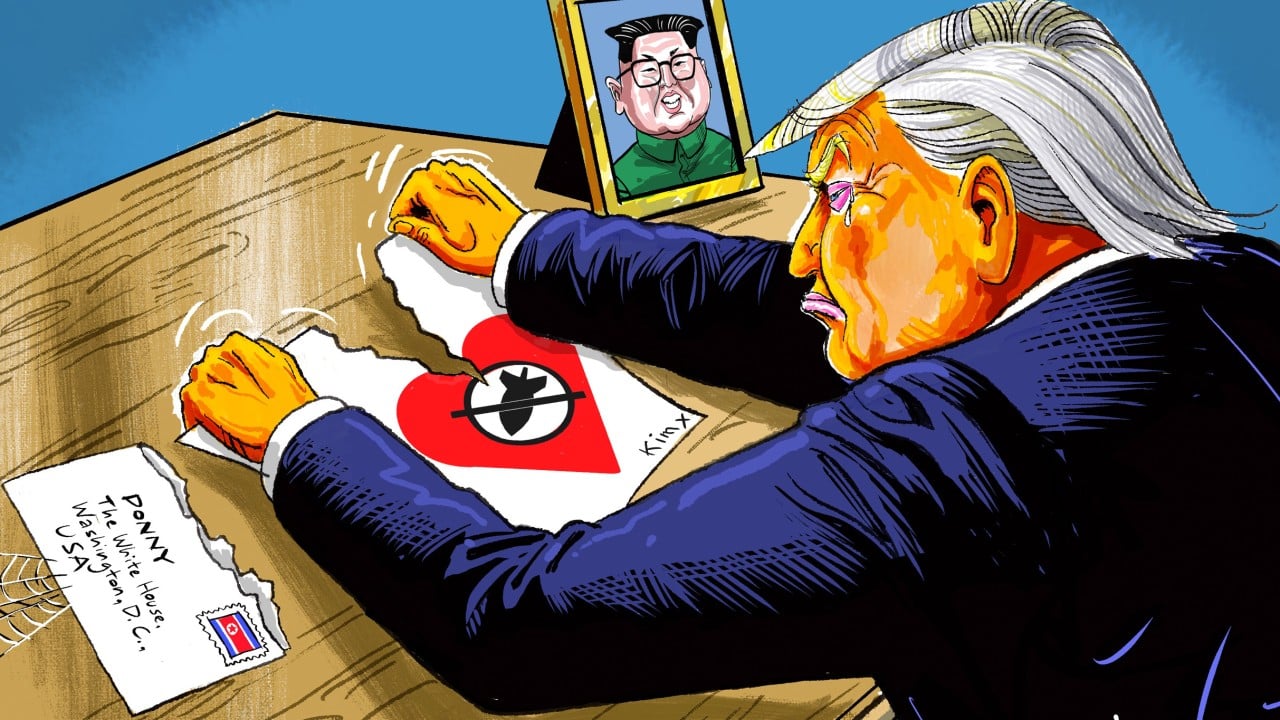
Time for US wishful thinking on North Korean denuclearisation is over
Chinese President Xi Jinping’s recent Pyongyang visit may ultimately be remembered as a turning point in the international debate over North Korea’s nuclear weapons. While most headlines focused on the visit’s timing and the many pledges made by the two leaders aimed at expanding
A Capri Holdings Director Sold His Entire Stake in the Company. Here's a Deeper Look at the Stock Transaction.
Board of Directors member Stephen F. Reitman disclosed the sale of 17,981 shares of Capri Holdings Limited (NYSE:CPRI) in an open-market transaction on June 8, 2026, for total proceeds of approximately ~$349K, according to an SEC Form 4 filing. Transaction summary Metric Value Sh
Why So Many Banks Sponsor Marathons
Why would a consultancy firm spend $40 million a year sponsoring marathons? What are they getting in return? Studies show that runners develop familiarity with the brand but, most importantly, trust.