Semiconductor stocks stumble as investors question the AI trade
The semiconductor selloff highlights the volatility in AI investments, prompting a shift towards software, impacting broader tech and crypto markets. The post Semiconductor stocks stumble as investors question the AI trade appeared first on Crypto Briefing.

Semiconductor stocks stumble as investors question the AI trade A brutal two-day selloff erased over a trillion dollars from chip stocks, and crypto felt the shockwaves too Share Add us on Google by Editorial Team Jul. 6, 2026 The AI trade had a rough welcome to the new quarter. Semiconductor stocks kicked off July with a dramatic selloff, raising an uncomfortable question that investors had been quietly sitting with for months: is the AI infrastructure boom a durable supercycle, or did everyone just get very far ahead of themselves?
The numbers were not subtle. The VanEck Semiconductor ETF fell more than 5% on the first trading day of July alone. Micron dropped 11%, erasing $138 billion in market cap in a single session.
Intel shed 9%, AMD gave back 7%, and the Philadelphia Semiconductor Index lost roughly 12% across two trading days. For context, that same index had surged more than 80% in the first half of the year. What actually happened SK Hynix, one of the key suppliers of high-bandwidth memory used in AI chips, signaled a slower pace of production expansion.
Mixed guidance from Broadcom added another layer of uncertainty. The Federal Reserve added its own background noise, with ambiguous signals about the rate trajectory. Advertisement The $1.
3 trillion in value wiped from the broader AI chip ecosystem since June is less a verdict on AI itself and more a reminder that even the best trades require periodic reality checks. The rotation trade and what it means The money that left semiconductor stocks did not simply disappear. Much of it rotated into enterprise software names, which is a telling move.
Software companies benefit from AI adoption without requiring the same capital-intensive buildout that chip manufacturers do. They sit closer to the revenue realization end of the AI value chain. Bitcoin joined the selloff, which is worth watching Crypto markets did not sit this one out.
Bitcoin declined toward $62,000 during the same window, tracking the broader risk-off sentiment that swept through tech equities. The semiconductor selloff illustrates something important for crypto investors specifically: the health of the AI trade has become a relevant upstream indicator for digital asset markets. A sustained deterioration in sentiment around AI infrastructure spending would likely weigh on Bitcoin and the broader crypto market.
Conversely, if semiconductor stocks stabilize and the AI narrative firms back up, that tends to provide a supportive backdrop for crypto as well. The Philadelphia Semiconductor Index dropping 12% in two sessions after an 80%-plus first-half rally frames the central question: is this a sentiment correction within a structural bull market, or is the market genuinely beginning to doubt the return on the massive capital poured into AI infrastructure? SK Hynix’s posture on high-bandwidth memory production and any further clarity from the Fed will serve as the clearest leading indicators for where this trade goes next.
Disclosure: This article was edited by Editorial Team. For more information on how we create and review content, see our Editorial Policy. TECHNOLOGY Semiconductor stocks stumble as investors question the AI trade A brutal two-day selloff erased over a trillion dollars from chip stocks, and crypto felt the shockwaves too by Editorial Team Jul.
6, 2026 Share Add us on Google The AI trade had a rough welcome to the new quarter. Semiconductor stocks kicked off July with a dramatic selloff, raising an uncomfortable question that investors had been quietly sitting with for months: is the AI infrastructure boom a durable supercycle, or did everyone just get very far ahead of themselves? The numbers were not subtle.
The VanEck Semiconductor ETF fell more than 5% on the first trading day of July alone. Micron dropped 11%, erasing $138 billion in market cap in a single session. Intel shed 9%, AMD gave back 7%, and the Philadelphia Semiconductor Index lost roughly 12% across two trading days.
For context, that same index had surged more than 80% in the first half of the year. What actually happened SK Hynix, one of the key suppliers of high-bandwidth memory used in AI chips, signaled a slower pace of production expansion. Mixed guidance from Broadcom added another layer of uncertainty.
The Federal Reserve added its own background noise, with ambiguous signals about the rate trajectory. Advertisement The $1.3 trillion in value wiped from the broader AI chip ecosystem since June is less a verdict on AI itself and more a reminder that even the best trades require periodic reality checks.
The rotation trade and what it means The money that left semiconductor stocks did not simply disappear. Much of it rotated into enterprise software names, which is a telling move. Software companies benefit from AI adoption without requiring the same capital-intensive buildout that chip manufacturers do.
They sit closer to the revenue realization end of the AI value chain. Bitcoin joined the selloff,
Đọc thêm từ Tiền số / Crypto

Euro zone investor morale posts sharpest monthly rebound in 2026 as recession fears fade
Investor confidence rebound in the euro zone suggests potential economic stabilization, impacting global markets and easing recession concerns. The post Euro zone investor morale posts sharpest monthly rebound in 2026 as recession fears fade appeared first on Crypto Briefing.

Sberbank prepares crypto wallet as Russia’s digital asset law nears rollout
Russia’s largest lender, Sberbank, has confirmed plans to launch a cryptocurrency wallet and digital asset depository within months after the country’s proposed digital asset law takes effect on Sept. 1. According to local news outlet RBC, Sberbank expects to integrate…
Analyst sets AMD stock price target for the next 12 months
On the morning of Monday, July 6, Goldman Sachs (NYSE: GS) analyst James Schneider revised his 12-month outlook for the … Continue reading The post Analyst sets AMD stock price target for the next 12 months appeared first on Finbold.
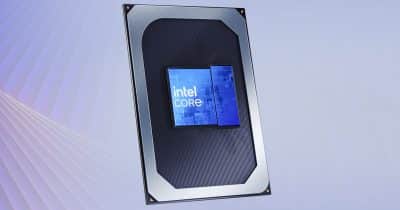
Intel races TSMC and Samsung on 1.4A2 amid power delivery rethink
Intel's dual-sided power delivery innovation could redefine competitive dynamics in semiconductor manufacturing, impacting market leadership. The post Intel races TSMC and Samsung on 1.4A2 amid power delivery rethink appeared first on Crypto Briefing.