Saudi Arabia intercepts drones from Iran-backed Iraqi militias, putting oil infrastructure back in the crosshairs
The persistent threat to Gulf energy assets highlights regional instability, potentially affecting global oil markets and geopolitical dynamics. The post Saudi Arabia intercepts drones from Iran-backed Iraqi militias, putting oil infrastructure back in the crosshairs appeared fir
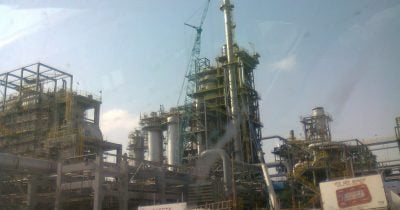
Via houseofsaud.com Saudi Arabia intercepts drones from Iran-backed Iraqi militias, putting oil infrastructure back in the crosshairs The latest drone attack on Saudi oil facilities adds another layer of geopolitical risk that crypto and energy markets can't afford to ignore. Share Add us on Google by Editorial Team Jul.
27, 2026 Saudi Arabia’s air defenses shot down multiple drones targeting oil facilities in the Eastern Province and Riyadh on July 27, with the kingdom pointing the finger squarely at Iran-backed armed groups operating from Iraqi territory. No casualties or damage to infrastructure were reported, but the incident underscores a pattern that’s been building since February: Gulf energy assets are under persistent threat. Major General Turki al-Maliki, the Saudi Defense Ministry spokesperson, confirmed the interceptions in a public statement, with the kingdom asserting its right to self-defense while urging Iraq to prevent its territory from being used as a launchpad for attacks.
Iraq has previously denied that such launches originate from its soil and pledged cooperation in investigations. A pattern that started months ago This wasn’t a one-off. The July 27 incident follows a similar episode on May 17-18, when Saudi air defenses intercepted a trio of drones that entered Saudi airspace from Iraq.
Both events sit within the broader context of what’s been called the 2026 Iran conflict, a regional escalation that began on February 28 and has generated hundreds of drone and missile strikes targeting Gulf energy infrastructure over the past several months. Advertisement Iran-linked Iraqi militias have been repeatedly identified as the perpetrators of these incursions. Why oil traders and crypto investors should both be paying attention Saudi Arabia’s Eastern Province is home to the world’s largest conventional oil reserves and critical processing facilities.
The 2019 Abqaiq-Khurais attack, which temporarily knocked out roughly half of Saudi oil output, is the template everyone remembers. Markets have barely flinched at the July 27 interception. No immediate price spikes in crude, no visible panic in crypto venues.
The research context notes that the absence of immediate market reactions further suggests that this particular escalation remains too recent to gauge any broader implications in regional oil markets or crypto trading venues. What investors should actually watch The frequency matters. Going from occasional attacks on Saudi infrastructure to regular drone incursions from Iraqi territory represents a geographic expansion of the threat landscape.
Traders should monitor three things closely. First, any change in the success rate of these attacks. Second, watch for escalatory rhetoric or military responses from Riyadh.
Third, keep an eye on Iraq’s diplomatic positioning. Baghdad is caught between its relationship with Washington, its proximity to Tehran’s influence, and the reality that armed groups operate with considerable autonomy within its borders. Disclosure: This article was edited by Editorial Team.
For more information on how we create and review content, see our Editorial Policy. POLITICS Saudi Arabia intercepts drones from Iran-backed Iraqi militias, putting oil infrastructure back in the crosshairs The latest drone attack on Saudi oil facilities adds another layer of geopolitical risk that crypto and energy markets can't afford to ignore. by Editorial Team Jul.
27, 2026 Share Add us on Google Via houseofsaud.com Saudi Arabia’s air defenses shot down multiple drones targeting oil facilities in the Eastern Province and Riyadh on July 27, with the kingdom pointing the finger squarely at Iran-backed armed groups operating from Iraqi territory. No casualties or damage to infrastructure were reported, but the incident underscores a pattern that’s been building since February: Gulf energy assets are under persistent threat.
Major General Turki al-Maliki, the Saudi Defense Ministry spokesperson, confirmed the interceptions in a public statement, with the kingdom asserting its right to self-defense while urging Iraq to prevent its territory from being used as a launchpad for attacks. Iraq has previously denied that such launches originate from its soil and pledged cooperation in investigations. A pattern that started months ago This wasn’t a one-off.
The July 27 incident follows a similar episode on May 17-18, when Saudi air defenses intercepted a trio of drones that entered Saudi airspace from Iraq. Both events sit within the broader context of what’s been called the 2026 Iran conflict, a regional escalation that began on February 28 and has generated hundreds of drone and missile strikes targeting Gulf energy infrastructure over the past several months. Advertisement Iran-linked Iraqi militias have been repeatedly identified as the perpetrators of these incursions.
Why oil traders and crypto investors should both be paying attention Saudi Arabia’s Eastern Province is home to the world’s la
Đọc thêm từ Tiền số / Crypto

Pentagon reclassifies casualties from renewed Iran hostilities, reducing official death toll
Reclassification of casualties may obscure the true human cost of conflict, potentially affecting public perception and policy decisions. The post Pentagon reclassifies casualties from renewed Iran hostilities, reducing official death toll appeared first on Crypto Briefing.

Liquid Staking Giant Lido Moves 8 Million ETH Onto New Validators to Ease Ethereum Network Load
Lido has activated the largest upgrade to its Core Protocol since Lido V2, and it starts by moving more than 8 million ETH onto Ethereum’s newer validator design, the company explained on Monday, in a note shared with Bitcoin.com News. That stake, worth roughly $16.5 billion, is
Macquarie warns of oil surplus risk from potential US-Iran deal
A US-Iran deal could reshape global oil dynamics, potentially lowering prices and influencing geopolitical and economic strategies worldwide. The post Macquarie warns of oil surplus risk from potential US-Iran deal appeared first on Crypto Briefing.
China warns US to drop AI sanction threats, calls it 'AI hegemony'
China’s Ministry of Commerce has told the United States to stop threatening to impose sanctions on Chinese artificial intelligence companies. The ministry has warned that it will take “all necessary measures” to defend its interests if Washington acts against them. Why did the U.