Robotic Servicing Mission Launches with NASA Support
Following its liftoff from Cape Canaveral on July 21 aboard a SpaceX Falcon 9 rocket, the Mission Robotic Vehicle (MRV) hosting the NASA-supported Robotic Servicing of Geosynchronous Satellites (RSGS) payload is now en route to geosynchronous Earth orbit, where it will use its ad
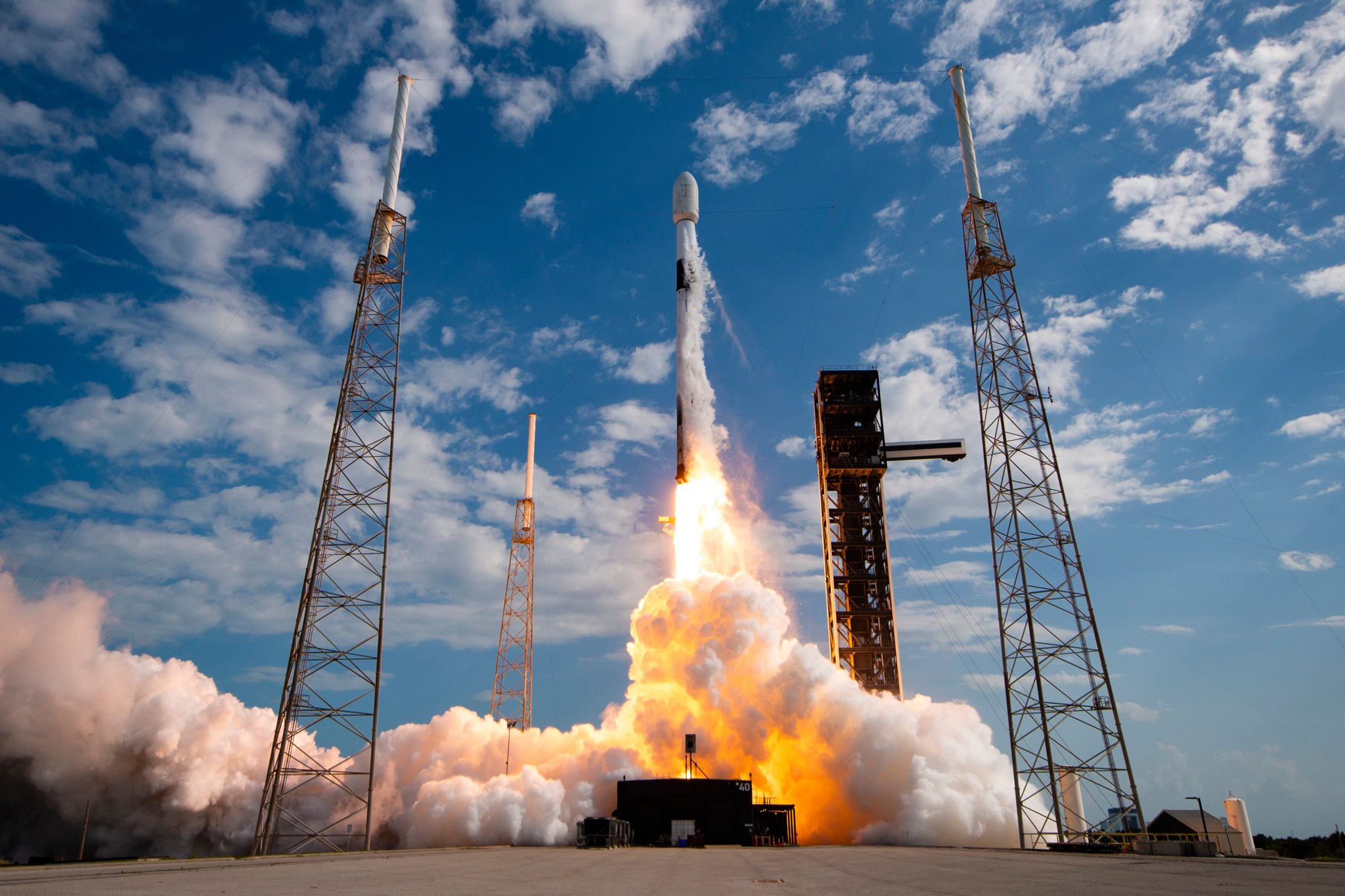
Following its liftoff from Cape Canaveral on July 21 aboard a SpaceX Falcon 9 rocket, the Mission Robotic Vehicle (MRV) hosting the NASA-supported Robotic Servicing of Geosynchronous Satellites (RSGS) payload is now en route to geosynchronous Earth orbit, where it will use its advanced robotics to service spacecraft. RSGS leverages in-space robotics expertise from NASA, aligned with the agency’s broader goals to advance U.S.
capabilities for in-space servicing, assembly, and manufacturing that can be applied to space commerce and exploration. Northrop Grumman’s Mission Robotic Vehicle hosting the NASA-supported Robotic Servicing of Geosynchronous Satellites (RSGS) payload launched aboard a SpaceX Falcon 9 rocket on July 21. The RSGS program is funded by the Defense Advanced Research Projects Agency (DARPA) and uses twin robotic arms developed by the U.
S. Naval Research Laboratory.SpaceX Funded by the Defense Advanced Research Projects Agency (DARPA), the RSGS program uses twin dexterous robotic arms designed and developed by the U.
S. Naval Research Laboratory. DARPA provided the robotic arm assembly for integration onto Northrop Grumman’s MRV, the nation’s first multi-mission robotic in-space servicer.
The spacecraft will inspect and upgrade satellites in orbit by installing small propulsion modules – called mission extension pods – extending the operational life of existing spacecraft for years. RSGS brings together government agencies and industry to test advanced robotic systems in space. NASA’s Goddard Space Flight Center in Greenbelt, Maryland, began supporting the RSGS mission in 2024 under an interagency agreement with DARPA.
NASA’s contributions to the mission leverage its legacy of servicing missions including the Hubble Space Telescope servicing missions and the Robotic Refueling Missions on the International Space Station. NASA support to RSGS program includes the development of dynamic simulation and analysis tools, software analysis for performance veri
Đọc thêm từ Khoa học
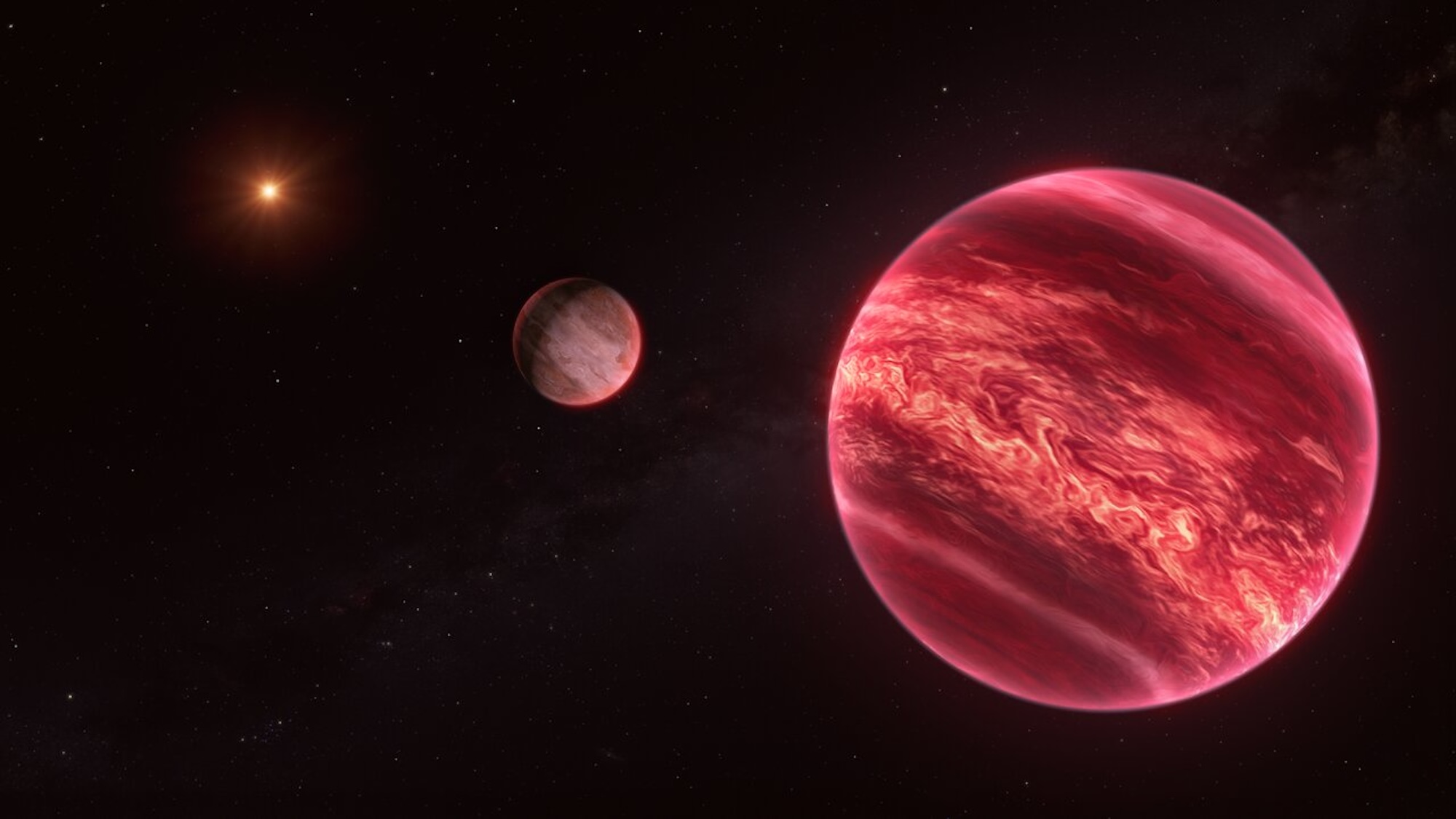
‘Super weird’ object may be space’s first confirmed exomoon
The object about 72 light-years away from Earth could be the first satellite discovered outside our solar system. The post ‘Super weird’ object may be space’s first confirmed exomoon appeared first on Popular Science.
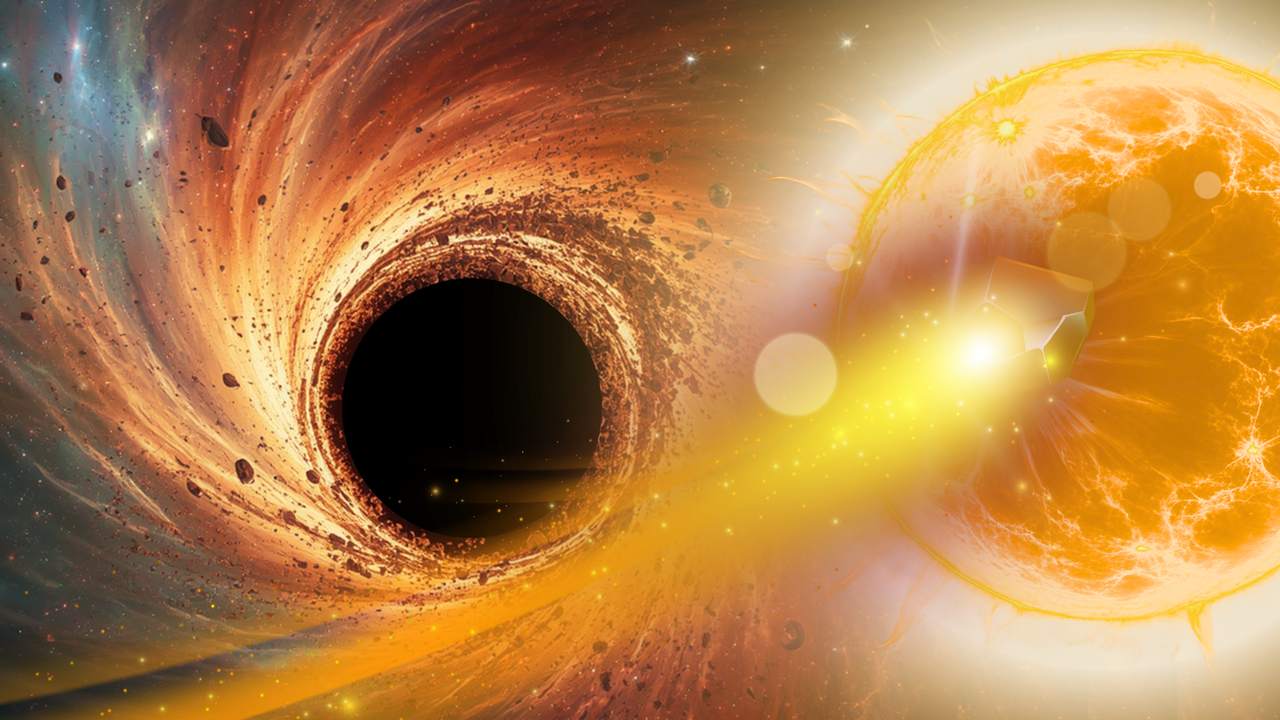
NASA's Roman Space Telescope could reveal black holes ripping up stars. It's set to launch Aug. 30
NASA's next super telescope, the Nancy Grace Roman Space Telescope, may leave nowhere to hide for black holes that violently murder and devour stars, not even cosmic noon.
/https://tf-cmsv2-smithsonianmag-media.s3.amazonaws.com/filer_public/f1/5a/f15a9581-481b-4311-9350-908e2ee67411/rms_titanic_3.jpg)
This Letter Penned on the ‘Titanic’ Days Before It Sank Shares the Perspective of the Ship's Second-Class Passengers
The letter, now up for auction, describes good weather and bustling activity as the "Titanic" prepared to set off across the Atlantic Ocean
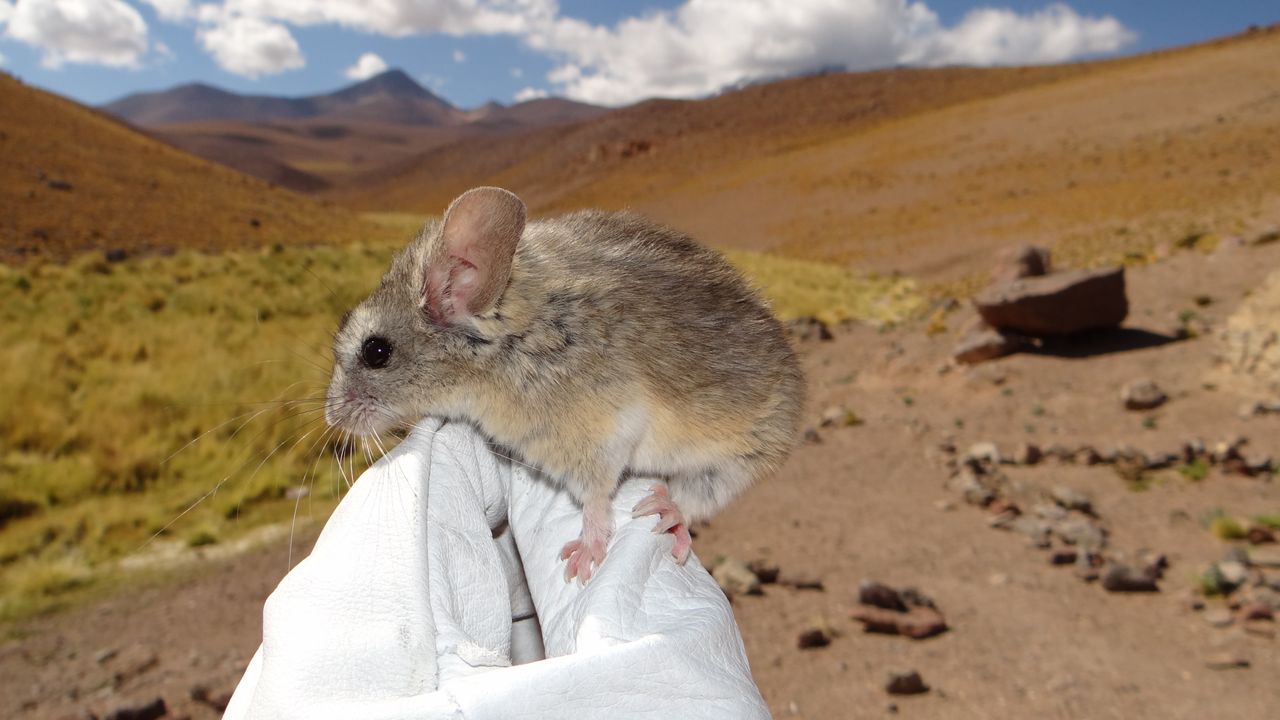
Mice on 'godforsaken' frozen volcanoes eat toxic plants to survive conditions 'not remotely compatible with long-term human survival'
Researchers risked their lives to study Andean leaf-eared mice on the inhospitable peaks of the Puna de Atacama volcanoes in Chile.