Raphaël Dubois knew why we walk anticlockwise | Letters
Readers respond to an report on experiments that have shown a left-turn bias among humansIt is not quite true to say that no one knows why people prefer to turn left and walk anticlockwise (Report, 10 June). Research by the French professor of physiology Raphaël Dubois in the 19t
Scientists have tried to explain the urge to turn left. Photograph: Dan Chung/The GuardianView image in fullscreenScientists have tried to explain the urge to turn left. Photograph: Dan Chung/The GuardianLettersRaphaël Dubois knew why we walk anticlockwiseReaders respond to an report on experiments that have shown a left-turn bias among humansIt is not quite true to say that no one knows why people prefer to turn left and walk anticlockwise (Report, 10 June).
Research by the French professor of physiology Raphaël Dubois in the 19th century revealed the existence of a phenomenon in the natural world that he called the “antikinetic gyratory movement”, caused by the rotation of the Earth on its axis.During the 1900 Universal Exhibition in Paris, he observed a tendency among visitors to walk anticlockwise. In the years leading up to the first world war, he applied his theory to explain migration (of humans and animals) and war.
I documented the latter in an article in the journal Peace & Change in 1986.Dr Peter van den DungenLightcliffe, West Yorkshire I have long come to terms with being a left-handed person in a right-handed world (scissors, can openers, fountain pens, cutlery placements, etc), but at least I can naturally go against the flow in crowds. In theme parks, supermarkets, museums and the like, I tend to walk clockwise.
In crowded places it often avoids hold-ups, particularly if you are in the first wave of visitors who instinctively go the other way.Ian HendersonNottingham I wonder if any research on this phenomenon has been carried out south of the equator.Patrick BillinghamBrighton Come on, we’re all boomers here – they are heading for first class.
Gail HebertTenterden, KentExplore more on these topicsHuman biologyBiologylettersShareReuse this content
Đọc thêm từ Khoa học
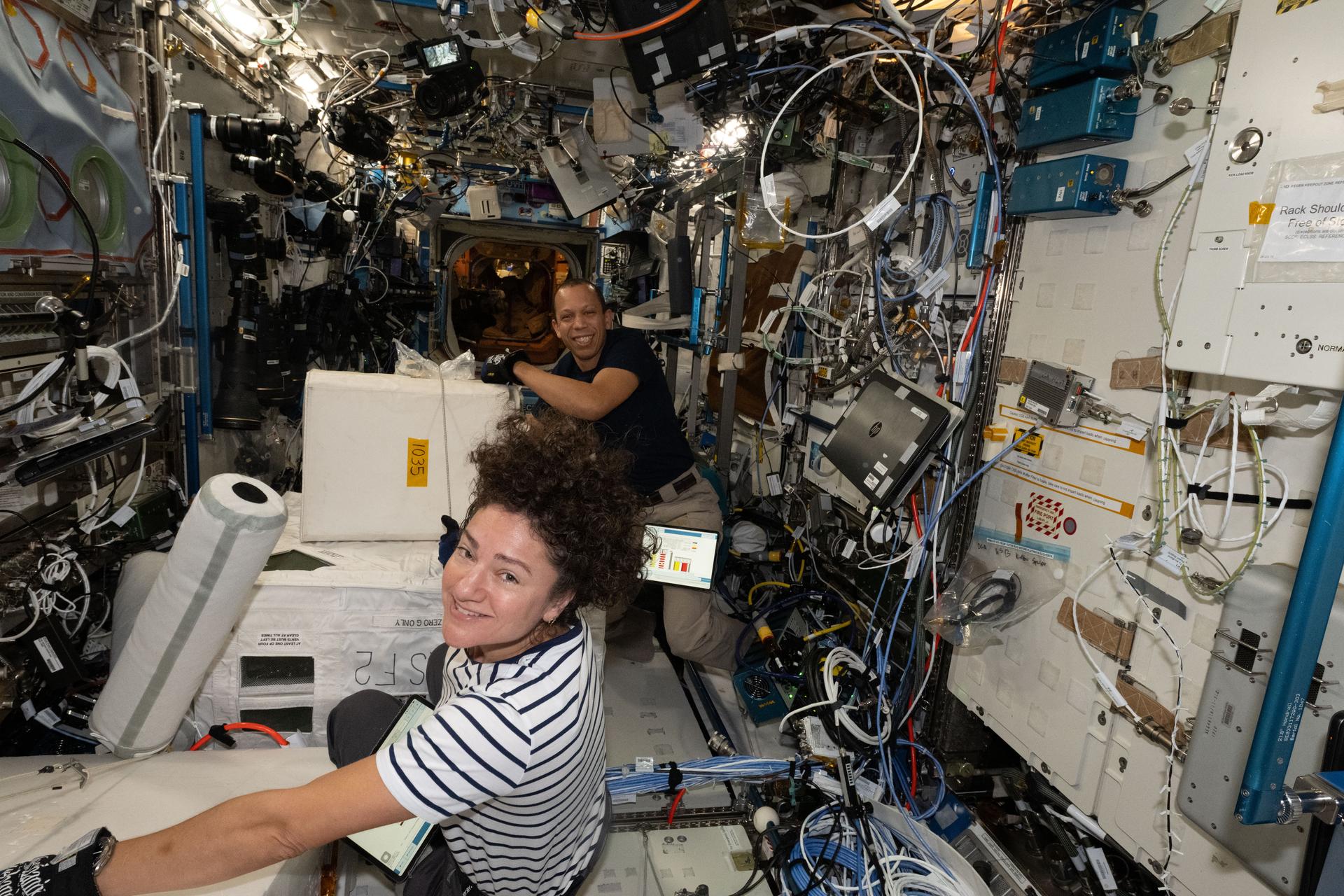
NASA Astronauts to Answer Questions from New Jersey Students
Students in New Jersey will hear from NASA astronauts Chris Williams and Jessica Meir as they answer prerecorded STEM questions while aboard the International Space Station. The Earth-to-space call will begin at 12:05 p.m. EDT, Thursday, June 18, and will stream live on the agenc

The 'Super' El Niño Has Arrived. Here's How It Might Affect the World's Weather and Economy
The naturally occurring climate pattern, characterized by warm surface water in the Pacific Ocean, that has just started could be one of the strongest ever recorded, according to experts
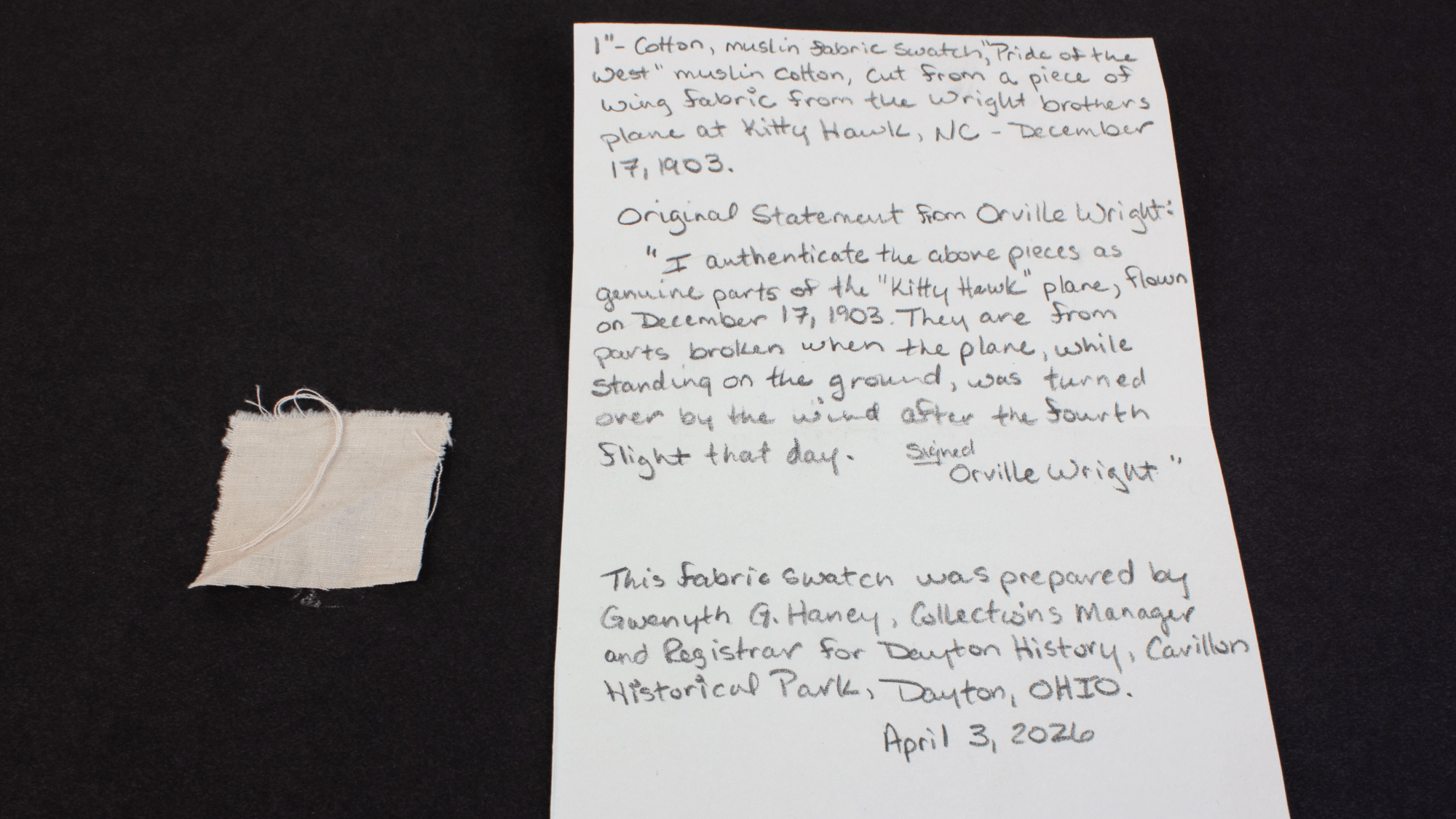
America’s Time Capsule includes fabric from the Wright Brother’s plane, whale bone, poker chips, and more
The time capsule will remain sealed in Philadelphia for 250 years. The post America’s Time Capsule includes fabric from the Wright Brother’s plane, whale bone, poker chips, and more appeared first on Popular Science.
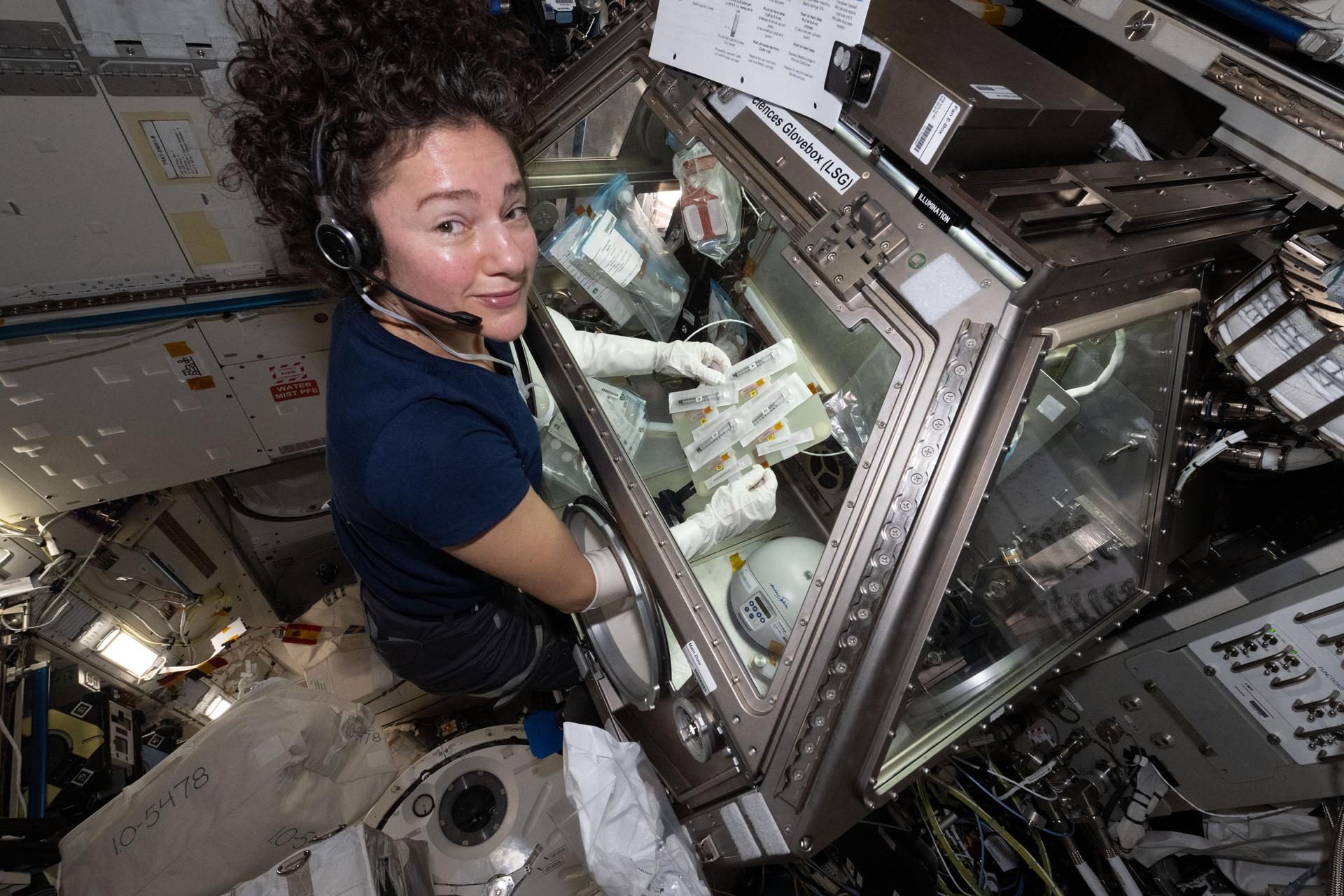
NASA’s SpaceX CRS-34 Dragon Returns Packed with Space Station Science
Scientists await a big splash in the Pacific Ocean as one of the most research-packed Dragon spacecraft to date returns, completing the 34th SpaceX commercial resupply mission to the International Space Station for NASA. Biological and materials samples, along with tested hardwar