One of NASA’s Most Important Deep Space Observatories Hit by Spanish Wildfires
Flames burned through the Deep Space Communications Complex near Madrid, but NASA has been unable to assess the damage as a wildfire emergency grips the region.

CommentLoaderSave StorySave this storyCommentLoaderSave StorySave this storyClimate change has now become a problem for the whole solar system. On Friday, wildfires in Spain overran one of three observatories the US National Aeronautics and Space Administration uses to connect with spacecraft, including Voyager 1, the James Webb Space Telescope, and the recently completed Artemis mission around the Moon.Spain declared a wildfire emergency as multiple blazes burned out of control near Madrid, with evacuation orders in place for 60,000 people.
The affected area includes Robledo de Chavela, a municipality near the Deep Space Communications Complex run by NASA.Dramatic images captured by news photographers showed the radio telescopes surrounded by smoke and fire. A NASA spokesperson said in an email to WIRED that the agency successfully evacuated all personnel.
They added that while the fire has now passed through the observatory complex, it remains unclear what impact the flames may have had on the sensitive equipment inside. “Any potential damage will be assessed when it is safe to do so,” the spokesperson said. They add that if conditions allow, a site assessment could happen as soon as Saturday.
For now, NASA said it has “seamlessly transitioned support for mission operations to the Goldstone Deep Space Communications Complex in California, ensuring continuity of service and uninterrupted support for spacecraft communications.”The facility in Spain, along with the others in Canberra, Australia, and Goldstone, California, make up what NASA calls the “largest and most sensitive scientific telecommunications system in the world.” The network allows NASA to transmit information from Earth to spacecraft, including the most distant humanmade object in our solar system, Voyager 1.
It’s also used to transfer data from the James Webb Space Telescope and send commands to other space vehicles. Oh, and the sites also contribute to radio astronomy observations. Suffice to say, it’s a very important collection of instruments for understanding the solar system.
Spain is far from the only country facing a wildfire crisis. Blazes are also currently burning out of control in France, where beachgoers saw skies turn orange and waves of ash washing ashore as firefighters worked to stop flames from spreading into the eponymous capital of the Bordeaux wine region.“We learned in the middle of the afternoon that, following the wind shift, it had become a large, self-sustaining fire that is extremely difficult to bring under control,” French interior minister Laurent Nunez told national television channel Tf1.
“It is now moving east, toward the Bordeaux metropolitan area. We are going to reorganize our response so we can fight it from the ground and prevent it from advancing.”Roughly 200,000 people in total have been told to evacuate across the two countries.
Europe has seen record high temperatures this summer, driven by repeated heat domes camping over the continent and the UK, as well as climate change. Hot weather can dry out vegetation, priming forests to burn when hit by an errant spark. Similar stories have played out in other parts of the world recently, from Ontario, Canada, to the US Pacific Northwest.
Cooler weather is expected to arrive in the Mediterranean over the weekend, which should help firefighters get a handle on the blazes. But the respite will be short: Temperatures are expected to shoot up again on Monday and keep climbing throughout the week, eventually reaching up to 10 degrees Celsius (18 degrees Fahrenheit) above normal. That could worsen any wildfires in Spain or France that may still be burning—or help spark new ones.
CommentsBack to topJoin the discussionCommentsBack to topTriangleYou Might Also LikeIn your inbox: Brian Kahn’s guide to how the universe worksLeak exposes members of Peter Thiel’s secretive ‘Dialog’ societyBig Story: How Hunter Biden won the internetTesla batteries keep getting stolen before they even leave the factorySpecial edition: The future of homeBrian Kahn is a senior editor for WIRED’s science section. He has covered climate, weather, and energy for nearly 15 years. Prior to WIRED, he ran climate tech coverage for Bloomberg, where he edited award-winning journalism and ran the Green Daily flagship newsletter.
You can reach him securely on Signal ... Read MoreSenior Editor, ScienceTopicswildfiresspaceNASAJames Webb Space TelescopeSpacecraftChinese Companies Are Selling Vapes With Chemicals Potentially More Potent Than NicotineBig Tobacco studied nicotine analogs like 6-methyl-nicotine for decades but never marketed them. Now, Chinese vape makers are using them to sidestep US regulations.
Louise MatsakisThe 2026 El Niño Is on Track to Be the Strongest on RecordThis climate phenomenon could cause a massive global temperature spike and cause economic losses of $10 trillion by 2032.Fernanda GonzálezDid Chinese AI Steal From Anthropic, and OpenAI Loses Control of Two ModelsOn this episode of Un
Đọc thêm từ Công nghệ

Prise en main Samsung Galaxy Z Flip8 : rendez-vous manqué
Le dernier smartphone pliable sous format clapet de la marque bénéficie d'une amélioration bienvenue au niveau de la batterie, mais c'est à peu près tout…

WWE SummerSlam Card Update: 3 Matches Added After SmackDown July 24
WWE added three matches to SummerSlam after the July 24 SmackDown. Let's take a look at every match that was added to the two-night event in Minneapolis.
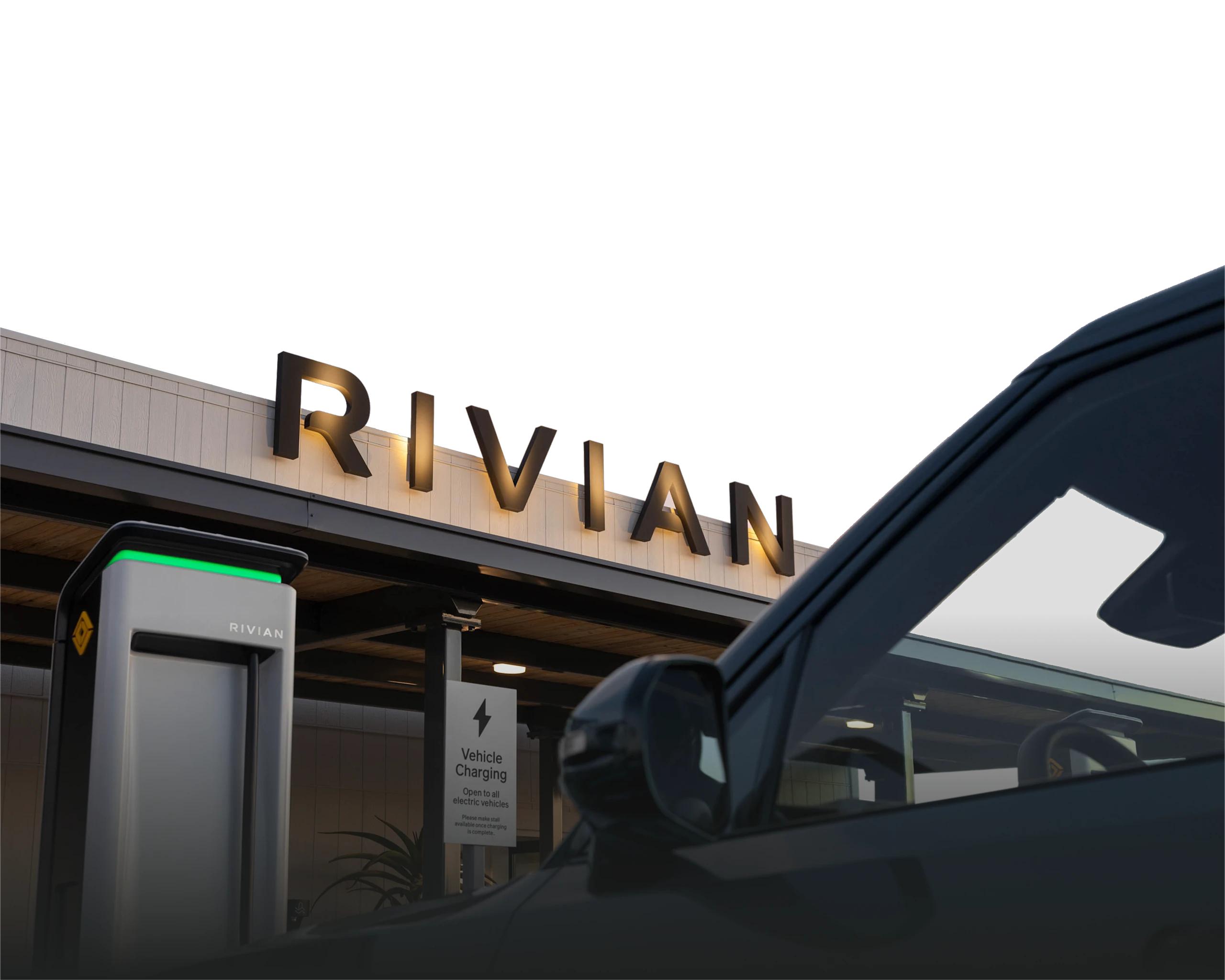
Rivian sues US to recover Trump-era tariffs
Rivian expects refunds in the tens of millions for tariffs paid under Trump-era measures.
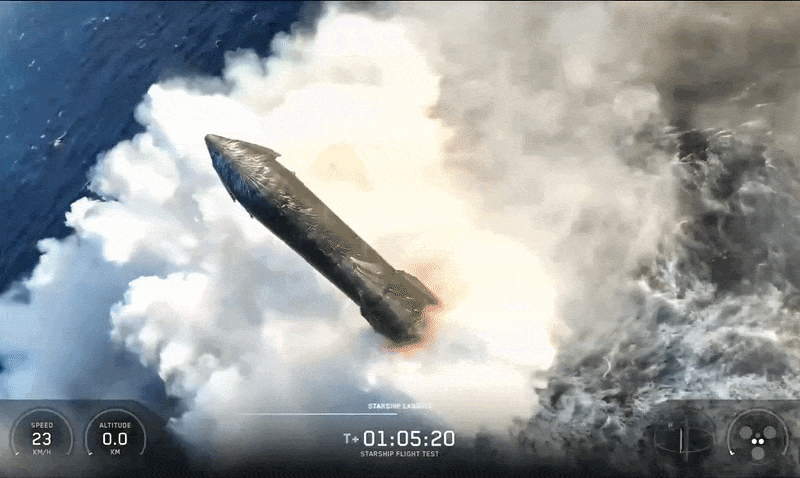
Tên lửa mạnh nhất thế giới Starship có màn 'tiếp nước êm nhất'
Nguyên mẫu tên lửa khổng lồ Starship V3 của SpaceX cất cánh từ Texas lúc 18h51 ngày 24/7 (5h51 ngày 25/7 giờ Hà Nội) và đáp nhẹ nhàng xuống biển.