Oman emerges as key player in post-war Gulf dynamics, and crypto markets are watching
Oman's strategic neutrality and geographic position enhance its influence in Gulf trade dynamics, impacting energy markets and crypto potential. The post Oman emerges as key player in post-war Gulf dynamics, and crypto markets are watching appeared first on Crypto Briefing.

Oman emerges as key player in post-war Gulf dynamics, and crypto markets are watching The small Gulf state's control over critical oil chokepoints and its diplomatic balancing act between Washington and Tehran are reshaping regional power dynamics with ripple effects across energy and digital asset markets. Share Add us on Google by Editorial Team Jun. 16, 2026 Of all the countries you’d expect to come out ahead after a US-Iran war, Oman probably wasn’t at the top of your list.
And yet, here we are. The sultanate, which endured Iranian drone strikes on its own territory after hostilities kicked off on February 28, 2026, has managed to transform its geographic vulnerability into a geopolitical advantage. Western, Arab, and even some US diplomats now view Oman as the unlikely frontrunner in the new Middle Eastern order being pieced together between Washington and Tehran.
The geography advantage no one can ignore Here’s the thing about Oman: it sits on roughly 20% of global oil traffic through its shared management of the Strait of Hormuz. That’s not a fun fact for a trivia night. That’s a chokepoint that makes energy traders lose sleep.
Since the war began, Oman has seen a 117% increase in exports handled on behalf of other Gulf Cooperation Council member states. When shipping lanes get dicey and trust becomes scarce, the neutral broker with the deepwater ports tends to win. Oman’s facilities at Duqm and Salalah have become essential infrastructure for rerouting regional trade flows.
This is the same country that President Trump directly threatened with military action on May 27, 2026, accusing it of potential collaboration with Iran over Hormuz traffic and tolls. The threat itself was remarkable. Oman hosts US military facilities on its soil while simultaneously maintaining economic ties with Iran.
Most countries would find that balancing act impossible. Oman, under Sultan Haitham bin Tariq al-Said, has made it look almost routine. Advertisement The diplomatic track record runs deep.
Oman has been mediating US-Iran backchannels for more than a decade, long before this conflict escalated into open hostilities. That institutional knowledge, combined with a foreign policy built on deliberate neutrality rather than bloc allegiance, has given the sultanate credibility that no amount of military spending could buy. Trade ties and the Iran equation Before the war, Iran had pledged to double bilateral trade with Oman to $5 billion by September 2025.
Whether that target was hit amid escalating sanctions and military operations remains an open question, but the ambition itself reveals the depth of the economic relationship. Oman’s approach has been to avoid the either-or framework that dominates Gulf politics. It didn’t join the Saudi-led coalition in Yemen.
It didn’t sever ties with Iran when other Gulf states did. It didn’t pick sides in the Qatar blockade. This track record of strategic non-alignment is precisely what makes it useful to everyone now that the shooting has stopped and the dealmaking has started.
For energy markets, Oman’s elevated role creates a stabilizing force in a region that desperately needs one. The Strait of Hormuz has always been the single most important bottleneck in global oil supply chains. Having a credible, neutral party with influence over that waterway gives commodity traders at least one variable they can model with some confidence.
What this means for crypto and digital assets in the region Oman’s growing geopolitical stature hasn’t translated into an equally ambitious digital asset strategy. Cryptocurrencies remain non-legal tender in the country, with the Central Bank and Financial Services Authority maintaining cautious regulatory frameworks around digital assets. The numbers tell the story.
Roughly 65,000 individuals in Oman own crypto assets, representing about 1.9% of the population. In English: this is one of the smallest adoption rates in the Gulf region, a neighborhood where the UAE and Bahrain have been aggressively courting crypto firms and exchanges.
That gap matters. As Oman’s trade volumes surge and its role as a regional hub solidifies, the absence of a clear crypto framework creates a bottleneck for financial innovation. Cross-border trade settlement, supply chain finance, and energy commodity tokenization are all areas where digital assets could complement Oman’s physical trade infrastructure.
The opportunity cost of regulatory caution grows larger with every container that passes through Duqm. Look, the cautious approach isn’t necessarily wrong. Oman has watched other jurisdictions rush into crypto regulation only to reverse course when things went sideways.
But the 1.9% adoption figure also represents something else: a nascent market that digital asset providers could build in from the ground floor, especially if regulatory clarity improves. The broader implication for crypto investors is less about Oman specifically and more about what its rise signals for Gulf
Đọc thêm từ Tiền số / Crypto
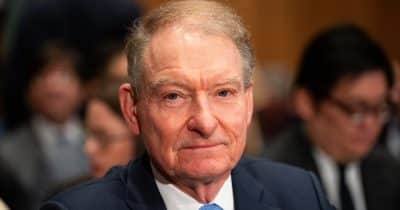
SEC Chairman Paul Atkins emphasizes agency’s impartial role in crypto regulation
Atkins' SEC leadership could foster innovation by reducing regulatory uncertainty, potentially boosting domestic crypto startups and investments. The post SEC Chairman Paul Atkins emphasizes agency’s impartial role in crypto regulation appeared first on Crypto Briefing.
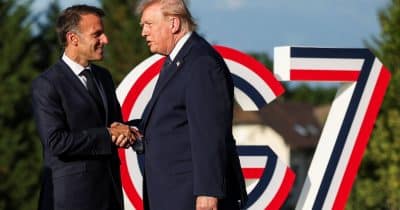
Trump announces Iran nuclear memorandum at G7 summit, warns of severe consequences
The memorandum's potential to ease regional tensions could stabilize oil markets, impacting global economic dynamics and investor strategies. The post Trump announces Iran nuclear memorandum at G7 summit, warns of severe consequences appeared first on Crypto Briefing.
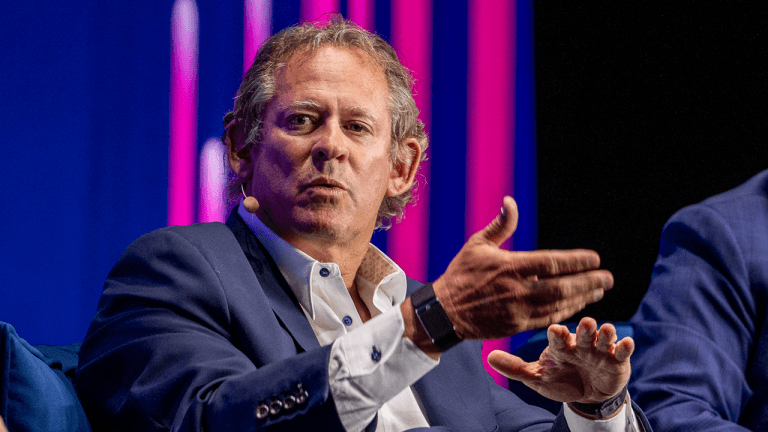
Blackrock’s Rick Rieder Says Bitcoin Is Going ‘Considerably Higher’ Despite This Year’s Drop
Rick Rieder, Chief Investment Officer of Global Fixed Income at Blackrock, told Bloomberg’s ETF IQ on June 15, 2026, that he expects bitcoin to go “considerably higher” over the long term, even as the firm holds a moderate position in the asset. Rieder’s Track Record With Bitcoin
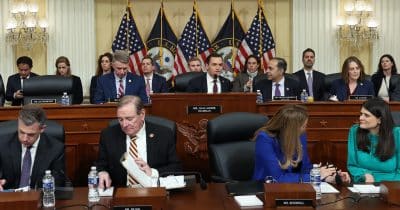
Senate Armed Services Committee authorizes $2B for Taiwan, Philippines security aid
The initiative underscores the US's strategic focus on the western Pacific, potentially heightening regional tensions and impacting global markets. The post Senate Armed Services Committee authorizes $2B for Taiwan, Philippines security aid appeared first on Crypto Briefing.