Netanyahu tells Trump he doubts Iran deal is possible, and crypto markets are paying attention
Geopolitical tensions may drive oil price volatility, influencing inflation expectations and potentially boosting Bitcoin's appeal as a hedge. The post Netanyahu tells Trump he doubts Iran deal is possible, and crypto markets are paying attention appeared first on Crypto Briefing
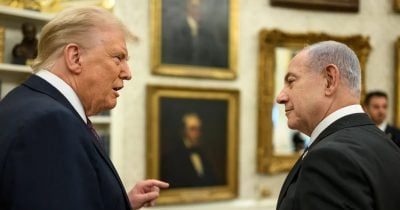
Via whitehouse.gov Netanyahu tells Trump he doubts Iran deal is possible, and crypto markets are paying attention A 90-minute Oval Office meeting between the Israeli PM and US president signals escalating Middle East tensions, with ripple effects reaching Bitcoin and risk assets. Share Add us on Google by Editorial Team Jul.
29, 2026 Israeli Prime Minister Benjamin Netanyahu sat down with President Donald Trump in the Oval Office on July 28 for a 90-minute conversation that boiled down to one message: don’t count on a deal with Iran. Netanyahu expressed deep skepticism that Tehran would agree to meaningful constraints on its nuclear program, and he pushed for ramping up both economic and military pressure. He also warned that Israel reserves the right to respond on its own.
What actually happened in the room Netanyahu made clear that he views the prospect of a negotiated agreement with Iran as unlikely, advocating instead for a strategy built on escalating pressure across two fronts: tightening economic sanctions and keeping the military option firmly on the table. After the meeting, both leaders struck an upbeat note publicly. Netanyahu called it “one of the best” conversations he has had with Trump.
The shared objective, they said, is preventing Iran from acquiring nuclear weapons. Advertisement The Trump administration has been managing escalating tensions with Iran since the start of the year, and this meeting represents the latest chapter in those discussions. Why crypto traders should care about Oval Office meetings Geopolitical instability in the Middle East has historically driven volatility in oil prices.
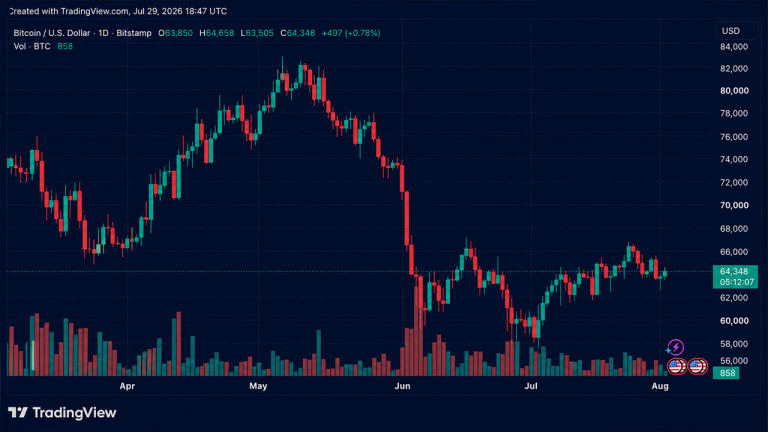
Brent crude has already shown signs of price swings tied to the ongoing Iran situation. When energy prices spike, inflation expectations tend to follow. Bitcoin, trading at approximately $64,000, has long been positioned by its advocates as an inflation hedge.
During periods of heightened geopolitical risk, Bitcoin and other risk assets tend to see increased trading volume as market participants recalibrate their exposure. The broader geopolitical chess board Previous attempts at diplomatic resolution, most notably the 2015 JCPOA, have either collapsed or been abandoned. Trump withdrew the US from that agreement during his first term.
The fact that Netanyahu is now publicly expressing doubt about any deal being reachable suggests that the diplomatic window may be closing further. What investors should be watching The immediate signal from this meeting is that the US and Israel are moving in lockstep toward a harder line on Iran, reducing the probability of a negotiated settlement in the near term. For crypto market participants, oil price movements deserve close attention.
Brent crude volatility is the most direct transmission mechanism from Middle East geopolitics to broader financial markets. Sustained upward pressure on oil prices would strengthen the inflation-hedge case for Bitcoin. Bitcoin’s position at roughly $64,000 puts it in a range where macro catalysts, rather than crypto-native developments, are likely to drive the next major move.
Disclosure: This article was edited by Editorial Team. For more information on how we create and review content, see our Editorial Policy. MACRO Netanyahu tells Trump he doubts Iran deal is possible, and crypto markets are paying attention A 90-minute Oval Office meeting between the Israeli PM and US president signals escalating Middle East tensions, with ripple effects reaching Bitcoin and risk assets.
by Editorial Team Jul. 29, 2026 Share Add us on Google Via whitehouse.gov Israeli Prime Minister Benjamin Netanyahu sat down with President Donald Trump in the Oval Office on July 28 for a 90-minute conversation that boiled down to one message: don’t count on a deal with Iran.
Netanyahu expressed deep skepticism that Tehran would agree to meaningful constraints on its nuclear program, and he pushed for ramping up both economic and military pressure. He also warned that Israel reserves the right to respond on its own. What actually happened in the room Netanyahu made clear that he views the prospect of a negotiated agreement with Iran as unlikely, advocating instead for a strategy built on escalating pressure across two fronts: tightening economic sanctions and keeping the military option firmly on the table.
After the meeting, both leaders struck an upbeat note publicly. Netanyahu called it “one of the best” conversations he has had with Trump. The shared objective, they said, is preventing Iran from acquiring nuclear weapons.
Advertisement The Trump administration has been managing escalating tensions with Iran since the start of the year, and this meeting represents the latest chapter in those discussions. Why crypto traders should care about Oval Office meetings Geopolitical instability in the Middle East has historically driven volatility in oil prices. Brent crude has already shown signs of price swings tied to the ongoing Iran situation.
When energy p
Đọc thêm từ Tiền số / Crypto
Bitcoin Traders Push Price Back to $64,400 After Fed Decision Eases Market Jitters
Bitcoin briefly surged to $64,500 before pulling back to $63,700, ending down 0.6% on the day with its market cap holding at $1.277 trillion. Moderate Pullback Limits Liquidations Bitcoin seesawed July 29 as global markets reacted to a surprise Iranian strike on a U.S. military b

Patrick Witt hits back at 134 bank leaders over CLARITY Act
White House crypto adviser Patrick Witt criticized banking leaders seeking tighter stablecoin reward restrictions as Senate delays pushed the CLARITY Act’s passage odds to a record low. Patrick Witt challenges banks over CLARITY Act Witt pushed back after 134 banking…

The islamic resistance of Iraq affirms it will retaliate against US-Saudi actions, threatens US interests in Saudi Arabia
Escalating tensions may hinder US-Iran diplomatic efforts, impacting regional stability and market confidence in future agreements. The post The islamic resistance of Iraq affirms it will retaliate against US-Saudi actions, threatens US interests in Saudi Arabia appeared first on

Pump.fun token graduation rate jumps after BOOST changes launch incentives
BOOST comes into effect after a token has already bonded, so it doesn’t mechanically lift the share of tokens that reach the threshold.