My sneaky $66 fee shows what credit card perks really cost us
Right now, companies can slug consumers with a payment surcharge on credit or debit cards, but it’s a practice that will soon come to an end.
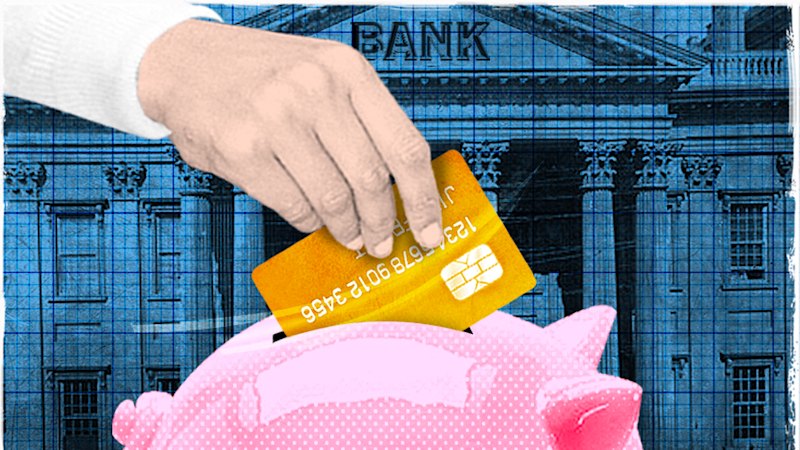
July 26, 2026 — 5:12am You have reached your maximum number of saved items. Remove items from your saved list to add more. Of all the financial curveballs most of us expect to be thrown regularly, being hit with a credit card surcharge of $66 last week was not one I saw coming.
Yet that’s precisely what happened when I booked international flights and wanted to add a new payment method at the checkout. That it was going to cost me so much was all thanks to the airline’s schedule of fees which, like all Australian businesses, allows companies to slug consumers with a payment surcharge on credit or debit cards. This sliding scale fee is based on a percentage of the overall purchase price at the checkout.
Currently, this can range from anywhere between 0.2 per cent all the way up to 10 per cent. By now, we’re all familiar with these additional fees popping up on payment terminal screens.
When the percentage is based on something relatively small like a single coffee, it’s minor. But when it’s applied to $10,000 worth of airfares for a handful of people, the ridiculousness of the situation becomes impossible to ignore. While these fees have long been allowed as a way of helping businesses and companies offset the payment processing fees they are charged by network providers, the practice has come under intense scrutiny as more of us move to a card-only society.
According to the Reserve Bank of Australia, the cost of saying goodbye to cash and becoming increasingly reliant on debit and credit cards is costing us $1.6 billion a year in surcharge fees. But the good news is that this practice will very soon be seriously reined in.
After first floating the idea last year, in March, the RBA announced that surcharges on credit cards and debit cards will be banned as of October 1, explaining that the fees have become virtually impossible to avoid and unnecessarily complex. “Surcharging no longer works as intended,” RBA governor Michele Bullock said. “Consumers and businesses find the rules complex and confusing, surcharges are often not well disclosed, and most consumers want surcharging to stop.”
The RBA estimates that there are now more than 10 million active credit card accounts in this country, with about 16.5 million cards issued. In real terms, this works out to there being roughly 1.
2 credit card accounts per household in Australia. What this tells us in no uncertain terms is that at some point along the way, we became a credit-card-loving nation, and that for a lot of us this is now our preferred go-to payment method over debit cards or cash. One of the reasons for this enthusiastic switch is because of the allure of points and perks that have become synonymous with rewards credit cards.
Often, for example, a huge number of frequent flier points is available to someone if they sign up for a credit card and spend a certain amount of money within the first few months. Then, there are the regular bonus points periods, where you can earn multiple points for every dollar spent, which can then be used to go towards that next family holiday. Like everything in life, this system is not necessarily a bad thing for everybody.
Many people who use credit cards spend within their budget and can make repayments before any interest charges are applied. For these people, it’s the same as using any other form of payment, but with all of those rewards perks sprinkled on top. But that is certainly not the case for everyone.
For starters, credit cards allow you to spend money that you don’t actually have, in exchange for high interest rates (in 2025, the average interest rate on an Australian credit card offering rewards was 20.83 per cent). This makes it a high-risk option for those who can’t make immediate payments, or who aren’t necessarily the most sensible spenders.
It also means that those perceived perks aren’t perks at all, but rather expensive add-ons you might not ever get to use. Another issue that has sprung from our national love of credit cards is that, over time, it has contributed to a shift in the cultural mindset where some people now forget that not all debt is created equal. Where some debt is good (a mortgage, for example, is debt that you carry in exchange for a valuable asset and has a much lower interest rate applied), other debt is bad (that outfit you splurged on, on the other hand, can’t be recovered by the bank, won’t retain its value, and could cost you 20 per cent more than what you first paid for it).
A Canstar analysis of the RBA’s May credit card figures showed that nationally, the total debt accruing interest on personal credit cards was $19.4 billion. Debt accruing interest increased by $61 million in May alone, which marked the second rise this year and shows people are finding it harder to stay on top of their debt.
So while the perceived perks of airfare points or airport lounge invitations may be alluring, the true cost is proving to be far greater. While changes to surcharges won’t necessari
Đọc thêm từ Thế giới

사우디, 후티에 보복 공습…미-이란 이은 ‘새 전선’ 열리나
본문국제중동·아프리카사우디, 후티에 보복 공습…미-이란 이은 ‘새 전선’ 열리나오윤주기자수정 2026-07-25 22:04펼침0:00Your browser does not support theaudio element.구글 선호 매체 등록이란 “자국민 희생 1명당 미군 1명 보복” 미국, 군사행동 13일 만에 공습 발표 중단2026년 7월 24일 홍해 바브엘만데브 해협에 배들이 떠 있는 모습.
相模原 障害者施設殺傷事件からきょうで10年
相模原市の知的障害者施設で19人が殺害された事件から、26日で10年です。施設ではことしも一般の献花を受け付け、犠牲者を追悼することにしています。
![강진, ‘싱글대디’ 오해받은 사연 “혼자된 지 얼마나 됐냐고”(데이앤나잇)[순간포착]](https://www.chosun.com/resizer/v2/MRSWKZDCHE4WMZJTGRSTQYRSMM.jpg?auth=120f891b7d758121ff05189ff263aa2a1fc66bdad2f68574782a283ed972d81b&smart=true&width=550&height=308)
강진, ‘싱글대디’ 오해받은 사연 “혼자된 지 얼마나 됐냐고”(데이앤나잇)[순간포착]
방송 시청 후 작성된 리뷰 기사입니다.[OSEN=임혜영 기자] 강진이 '싱글대디'로 오해받았던 순간을 털어놨다.25일 방송된 MBN ‘김주하의 데이앤나잇’(이하 데이앤나잇)에는 가수 진성과 강진이 출연했다.강진은 ‘희자매’ 출신 아내 김효선과 40년간 행복한 결혼 생활을 하고 있다고 말했다. 아내와의 첫 만남에 대해 “후배와 아내 지인이 아는 사이였다. 저

최고 39도 폭염…중부·전북 등 전국 곳곳 소나기
(서울=연합뉴스) 전재훈 기자 = 일요일인 26일은 전국 대부분 지역에서 무더위와 열대야가 이어지는 가운데 일부 지역에서 비 소식이 있겠다.