Mojtaba Khamenei approves US-Iran MOU, rejects excessive conditions
The MOU's approval may stabilize regional tensions, impacting global oil markets and setting a precedent for future US-Iran negotiations. The post Mojtaba Khamenei approves US-Iran MOU, rejects excessive conditions appeared first on Crypto Briefing.
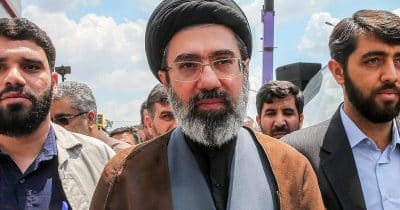
Mojtaba Khamenei approves US-Iran MOU, rejects excessive conditions Iran's new supreme leader gives conditional backing to 14-point agreement while drawing a hard line on future negotiations with Washington Share Add us on Google by Editorial Team Jun. 18, 2026 Iran’s Supreme Leader Mojtaba Khamenei has given his tacit approval to a memorandum of understanding between the US and Iran, a 14-point framework aimed at halting military operations and reopening the Strait of Hormuz. But Khamenei made one thing clear: signing a deal is not the same as agreeing with the other side.
The MOU, electronically signed by US President Donald Trump and Iranian President Masoud Pezeshkian in mid-June 2026, took immediate effect. A formal signing ceremony is expected later this month. Both sides have committed to initiating discussions on Iran’s nuclear program within a 60-day window.
What the deal actually covers The 14-point framework addresses the most urgent pressure points from a turbulent three months of conflict in the region. At its core, the agreement commits both parties to halting military operations and preventing the development of Iranian nuclear weapons. The agreement calls for reopening the Strait of Hormuz, which had become a flashpoint during hostilities.
Advertisement Pakistani Prime Minister Shehbaz Sharif mediated the indirect negotiations that produced the agreement. Neither the US nor Iran negotiated face-to-face. US officials indicated Khamenei signed off only after receiving certain assurances, though the nature of those assurances has not been publicly detailed.
His broader message was unambiguous: engaging in future negotiations does not mean Iran accepts Washington’s positions. A new leader navigating an inherited crisis Mojtaba Khamenei ascended to the role of Supreme Leader in March 2026 under extraordinary circumstances. His predecessor and father, Ali Khamenei, was assassinated on February 28, 2026, throwing Iran’s political hierarchy into an abrupt transition during an active military conflict.
His willingness to approve the MOU, even conditionally, marks his first major foreign policy decision as Supreme Leader. President Pezeshkian has been positioned as the diplomatic face of Iran’s negotiating effort. The electronic signing format reflects the practical constraints of conducting diplomacy between governments that lack formal bilateral channels.
What this means for markets and investors The reopening of the Strait of Hormuz is the single most important chokepoint for global crude oil transit. If the ceasefire holds and the strait reopens as outlined, crude oil prices could see downward pressure from the restored supply certainty. The crypto market has no direct line to this particular development.
There are no digital asset provisions in the MOU, no references to blockchain-based settlement mechanisms, and no indication that either government views crypto as relevant to the negotiation framework. The 60-day timeline for nuclear discussions introduces its own uncertainty. Investors watching this space should track adherence to that deadline as the most reliable leading indicator of whether this agreement has staying power.
Disclosure: This article was edited by Editorial Team. For more information on how we create and review content, see our Editorial Policy. MACRO Mojtaba Khamenei approves US-Iran MOU, rejects excessive conditions Iran's new supreme leader gives conditional backing to 14-point agreement while drawing a hard line on future negotiations with Washington by Editorial Team Jun.
18, 2026 Share Add us on Google Iran’s Supreme Leader Mojtaba Khamenei has given his tacit approval to a memorandum of understanding between the US and Iran, a 14-point framework aimed at halting military operations and reopening the Strait of Hormuz. But Khamenei made one thing clear: signing a deal is not the same as agreeing with the other side. The MOU, electronically signed by US President Donald Trump and Iranian President Masoud Pezeshkian in mid-June 2026, took immediate effect.
A formal signing ceremony is expected later this month. Both sides have committed to initiating discussions on Iran’s nuclear program within a 60-day window. What the deal actually covers The 14-point framework addresses the most urgent pressure points from a turbulent three months of conflict in the region.
At its core, the agreement commits both parties to halting military operations and preventing the development of Iranian nuclear weapons. The agreement calls for reopening the Strait of Hormuz, which had become a flashpoint during hostilities. Advertisement Pakistani Prime Minister Shehbaz Sharif mediated the indirect negotiations that produced the agreement.
Neither the US nor Iran negotiated face-to-face. US officials indicated Khamenei signed off only after receiving certain assurances, though the nature of those assurances has not been publicly detailed. His broader message was unambiguous: engaging in future nego
Đọc thêm từ Tiền số / Crypto
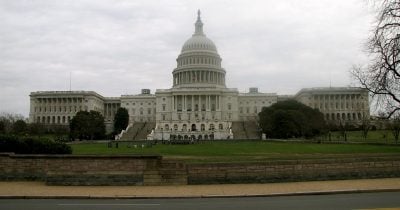
Google fought US warrant for user data on Capitol riot searches
Google's legal battle underscores the ongoing struggle between tech firms and governments over privacy, potentially reshaping data policies. The post Google fought US warrant for user data on Capitol riot searches appeared first on Crypto Briefing.
Europe's Crypto Firms Face Squeeze as MiCA Transition Period End Looms
As the MiCA grace period closes, only a fraction of registered firms hold full licenses, setting up the prospect of a wave of consolidation.
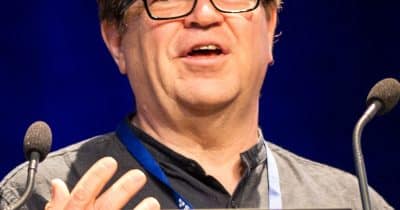
AMI Labs’ Yann LeCun makes the case for ‘world models’ as AI’s next frontier at VivaTech
LeCun's push for 'world models' in AI could redefine tech investment, emphasizing real-world interaction over language model scaling. The post AMI Labs’ Yann LeCun makes the case for ‘world models’ as AI’s next frontier at VivaTech appeared first on Crypto Briefing.

Accenture shares plunge 18% on lowered revenue outlook
Accenture's revenue outlook cut highlights potential sector-wide impacts from geopolitical tensions and AI's disruptive influence on consulting. The post Accenture shares plunge 18% on lowered revenue outlook appeared first on Crypto Briefing.