Microsoft found malware that hijacks crypto wallets and spreads through USB sticks
TechMicrosoft found malware that hijacks crypto wallets and spreads through USB sticksThe software intercepts shortcut files and directs them to install a worm that harvests private keys from the Windows clipboard and inserts its own destination wallet addresses when it detects a
TechMicrosoft found malware that hijacks crypto wallets and spreads through USB sticksThe software intercepts shortcut files and directs them to install a worm that harvests private keys from the Windows clipboard and inserts its own destination wallet addresses when it detects a transfer.By Omkar Godbole|Edited by Sheldon Reback Jun 19, 2026, 8:48 a.m.
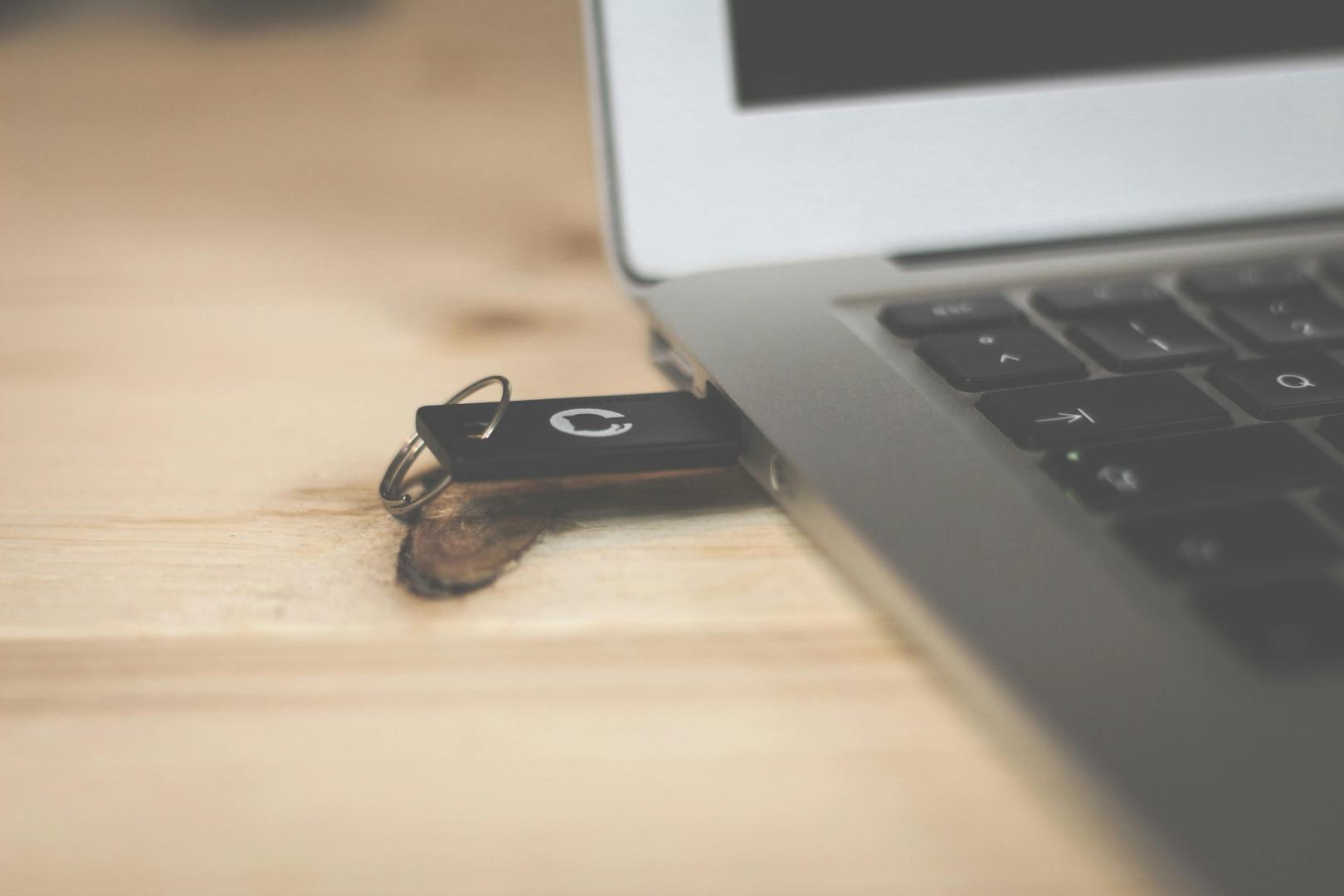
2 min readMake preferred on ShareShare this articleCopy linkX iconX (Twitter)LinkedInFacebookEmailMake preferred on A worm that's been around since February propagates by USB drives. (Brina Blum/Unsplash)SummaryShowThe malware dubbed a “crypto clipper,” has been spreading via infected USB drives to target Windows users’ crypto wallets since February, according to Microsoft.Once installed through a malicious .
lnk shortcut file, the worm known as Trojan:Win32/CryptoBandits monitors the clipboard for seed phrases, private keys and recipient addresses, exfiltrates data over the Tor network, and can silently swap in attacker-controlled wallet addresses.The malware propagates by replacing documents on clean USB drives with identically named shortcutsMicrosoft urged users to disable AutoRun, block .lnk execution on USB media, restrict script hosts and check networks against published indicators of compromise.
Malware that spreads via USB sticks has been infecting Windows personal computers and targeting crypto wallets since February, Microsoft said in a blog post.The firm calls the malware a "crypto clipper", and its Defender Antivirus identifies it as Trojan:Win32/CryptoBandits.The process starts with an infected USB drive containing a malicious shortcut, or link, file.
In Windows, shortcut filenames end in ".lnk" and direct the operating system to open a specific program, folder or file stored elsewhere on your computer.When a user plugs in that drive and clicks the shortcut, a type of malware known as a "worm" is installed onto the PC.
Once installed, it does two things: it constantly runs the actual crypto wallet-stealing code and simultaneously waits for a new, clean USB to be plugged into that same PC.The wallet-stealing component monitors Windows’ clipboard, the hidden temporary memory used for copy-and-paste operations, roughly every 500 milliseconds. When a user copies a crypto wallet seed phrase or a private key for a Bitcoin or Ethereum wallet, the malware captures that data and sends it to the attacker’s server over the Tor network, an open-source overlay that provides anonymous communication.
It also takes five screenshots, ten seconds apart, and sends those along too.The risk doesn't end there.If a user copies a recipient address to send funds, the worm silently replaces it with an attacker-controlled address before the user pastes, so the transfer goes to the attacker without any visible cue.
Lastly, the worm propagates when a clean USB drive is plugged into the computer. It scans the clean USB drive for ordinary files, Word docs, Excel sheets and PDFs, replaces them with new shortcut files using the same names and infects the drive. Then the cycle continues.
Microsoft recommends disabling AutoRun for removable media, blocking .lnk file execution on USB drives via group policy and restricting script hosts such as wscript.exe and cscript.
exe. Microsoft Defender customers can also run hunting queries to check for related activity, including connections to a local Tor proxy on port 9050.Microsoft published a list of indicators of compromise, including file hashes and .
onion domains used as command-and-control servers, for security teams to check their networks against.HackCrimeLatest Crypto News 1XRP falls 3% after losing $1.15 support as breakout attempt fades3 hours ago2Live markets: Bitcoin has traded below its mining cost for five months, squeezing miners3 hours ago3Bitcoin traders load up on bearish bets all the way down to $52,000 4 hours ago4Bitcoin falls below $63,000 as risk assets sell off and the week's bounce fades4 hours ago5Ex-Celsius CEO Mashinsky gets U.
S. CFTC ban in final resolution with regulator13 hours ago6U.S.
agencies seek stablecoin customer-ID rules akin to banks in new GENIUS Act pitch15 hours ago7Ethereum Foundation loses another key leader as co-executive director Hsiao-Wei Wang resigns17 hours ago8Crypto for Advisors: Trading the bitcoin cycle18 hours ago9Algorand unveils roadmap to achieve quantum resistance by 202819 hours ago10CoinDesk 20 performance update: Stellar (XLM) jumps 10% while index declines19 hours agoLatest Research CEX Volumes Drop to Lowest Since September 2024 as RWA Perps Hit Record HighCEX Volumes Drop to Lowest Since September 2024 as RWA Perps Hit Record HighIn May, combined exchange volumes fell 3.45% to $4.41T; the lowest since September 2024.
RWA perpetual futures volumes rose 10.4% against the trend, hitting a new all-time high.By CoinDesk ResearchJun 15, 2026In May, combined exchange volumes fell 3.
45% to $4.41T; the lowest since September 2024. RWA perpetual futures volumes rose 10.
4% against the tr
Đọc thêm từ Tài chính

Chinese embassy in UK decries jailing of 2 Hongkongers for spying
The Chinese embassy in the UK has called on the British government to “stop its acts of slander and suppression” after a court jailed two men linked to the Hong Kong Economic and Trade Office in London for up to 10 years for spying on activists. Bill Yuen Chung-biu, an office man
Piero Cipollone: The foundations of national sovereignty: the role of central bank money
Rome, 19 June 2026 It is a great honour to be here today at Sapienza University for this conference commemorating 80 years of the Italian Republic.[1] Eighty years ago, in the aftermath of fascism and the catastrophic Second World War, Italy reclaimed its independence, popular so

Deadly Philippines quake permanently alters Mindanao coastline
Arsenio Butil Jnr fell to his knees and began to pray when last week’s deadly 7.8-magnitude earthquake began shaking his home on the coast of the southern Philippines. When he opened his eyes, he saw a once-familiar shoreline changing in real time, with swathes of previously subm

The Fed’s new hawkish reality just forced Goldman Sachs to slash its gold forecast by $500
Strategists at the investment bank see gold rising to $4,900 a tonne by the end of the year instead of $5,400.