Malls, once symbols of American consumer culture, are splitting. Some are dying as others thrive
The fall of the American mall has long been chronicled
I wasn't a mall rat.Growing up in the 1970s, I didn’t hang out much with my friends at my local mall in New Jersey. The Livingston Mall, which opened in 1972 with stores including Bamberger’s, Sears and Hahne & Co.
, may have been a bustling social scene for my peers. But my mother's trips to the mall were mission-driven: to buy me clothes she called “classic” — loafers and plaid dresses. I called them nerdy.
So forget about the era’s hottest fads: leather platform wedge sandals, Candie's slide sandals and Puma sneakers.One hot trend my mom let me have? Straight-leg corduroy pants.
As a teen, I had them in an array of colors including burgundy, brown, teal blue and forest green. And I bought them at The Gap, which at the time sold Levi's.`I thought of these shopping hauls on a recent Saturday as I walked the sprawling parking lot of the Livingston Mall.
Practically deserted, it’s the poster child of what retail pundits call a “zombie” mall. Its last department anchor, Macy’s, left in April. The other two big stores, Sears and Lord & Taylor, shuttered during the pandemic.
Today, the site features crumbling buildings, overgrown grass, potholes and old tires. Signs of life came only from a Barnes & Noble, packed with customers taking advantage of its moving-out sale. The store closed earlier this month after being there for more than 18 years.
It is relocating.The fall of the mall, once a symbol of American consumerism, has long been chronicled. But walking around the decaying site where I once spent my youth hit me hard and underscored how dramatically shopping has changed.
It also shows how malls are experiencing a K-shaped split — the high end thriving, while malls catering to middle- to lower-income shoppers are struggling. Like many malls of its era, the Livingston Mall became a casualty of shoppers' migration to online buying, widespread department store closures and eventually the pandemic upheaval. There are now roughly 900 malls in the United States, down from a peak of 1,100 in 2008, according to Green Street, a research firm.
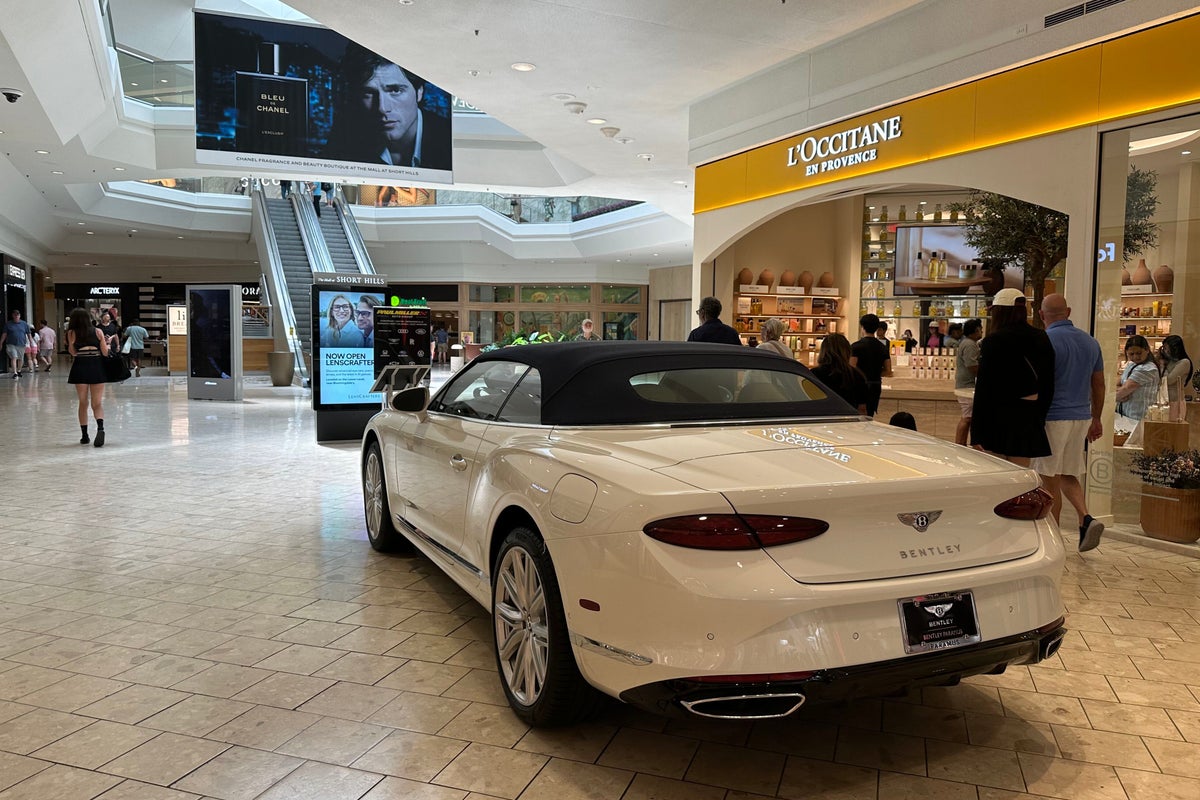
Four miles away is The Mall at Short Hills, which features such high-end stores as Nordstrom and Gucci as well as digital natives like Untuckit. It bustles. I saw groups of teens shopping the racks at stores like Abercrombie & Fitch, taking videos on their cellphones.
They're helping to drive a resurgence. These teen mall rats may make malls cool again. I wasn't one of them.
___D'Innocenzio covers retailing, including malls' changing landscapes, at The Associated Press. Part of a recurring series, “American Objects,” marking the 250th anniversary of the United States. For more American objects, click here.
For more stories on the anniversary, click here.
Đọc thêm từ Thế giới
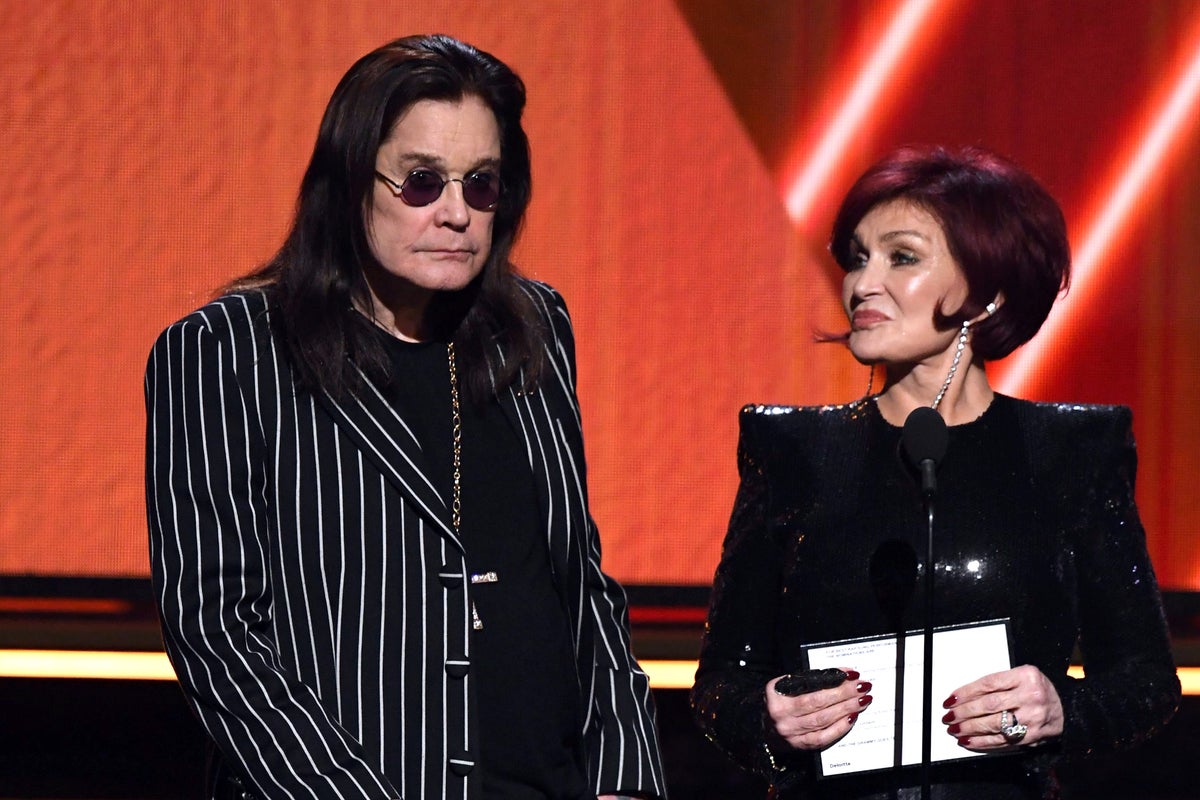
Ozzy Osbourne haunted house added to Universal’s Halloween Horror Nights lineup - and Sharon says it’s ‘incredible’
The haunted house will exclusively feature music from his solo career, which began in 1980
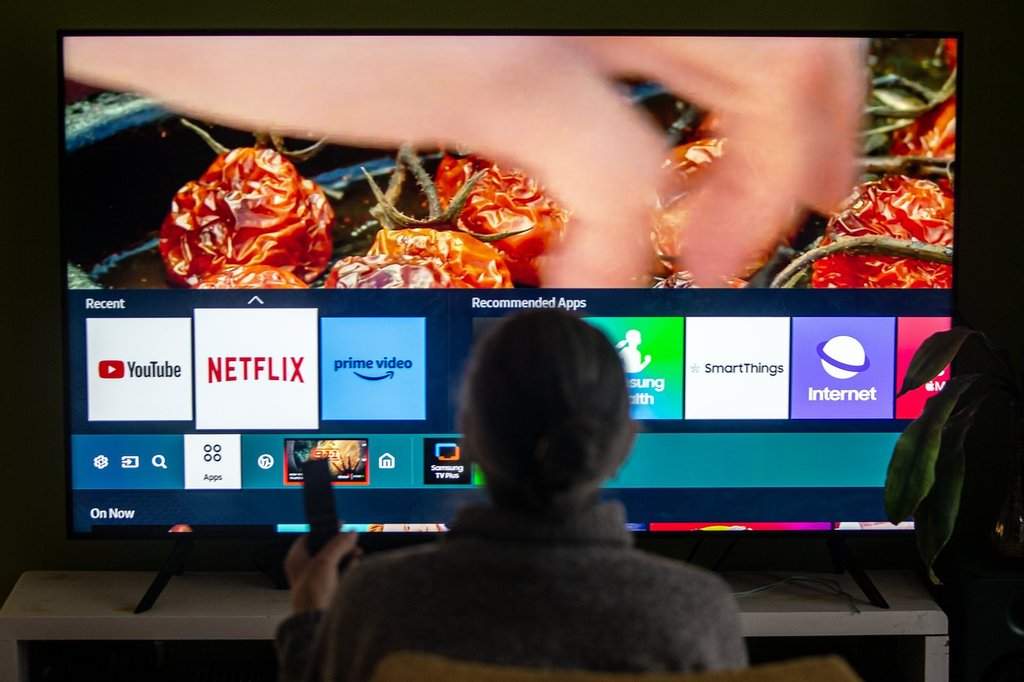
Ottawa seeks to ‘eliminate’ streamers’ Cancon base contributions: court doc
The disclosure was made in a letter to the Federal Court of Appeal this month as part of ongoing litigation over the Online Streaming Act.
La Fed mantiene i tassi fermi dopo 'una vera lite di famiglia'
In tre votano per il rialzo. Warsh: 'Target d'inflazione al 2%, l'economia resiliente'

Chennai oral and maxillofacial surgeon receives ICOI Clinical Excellence Award
Oral and maxillofacial surgeon Gunaseelan Rajan, Medical Director of Rajan Dental Institute, has been presented the ICOI Clinical Excellence Award at the ASEAN Conference of the International Congress of Oral Implantologists (ICOI) held in the city.The award recognises his contri