‘Made in EU’: How Europe plans to use China’s tech to pull level with its EV rival by 2028
European policymakers have watched Chinese carmakers roll in like a slow but unstoppable tide over the past few years: affordable, polished and threatening one of the continent’s proudest industrial legacies. Many have warned about the dismantling of their automotive prides follo
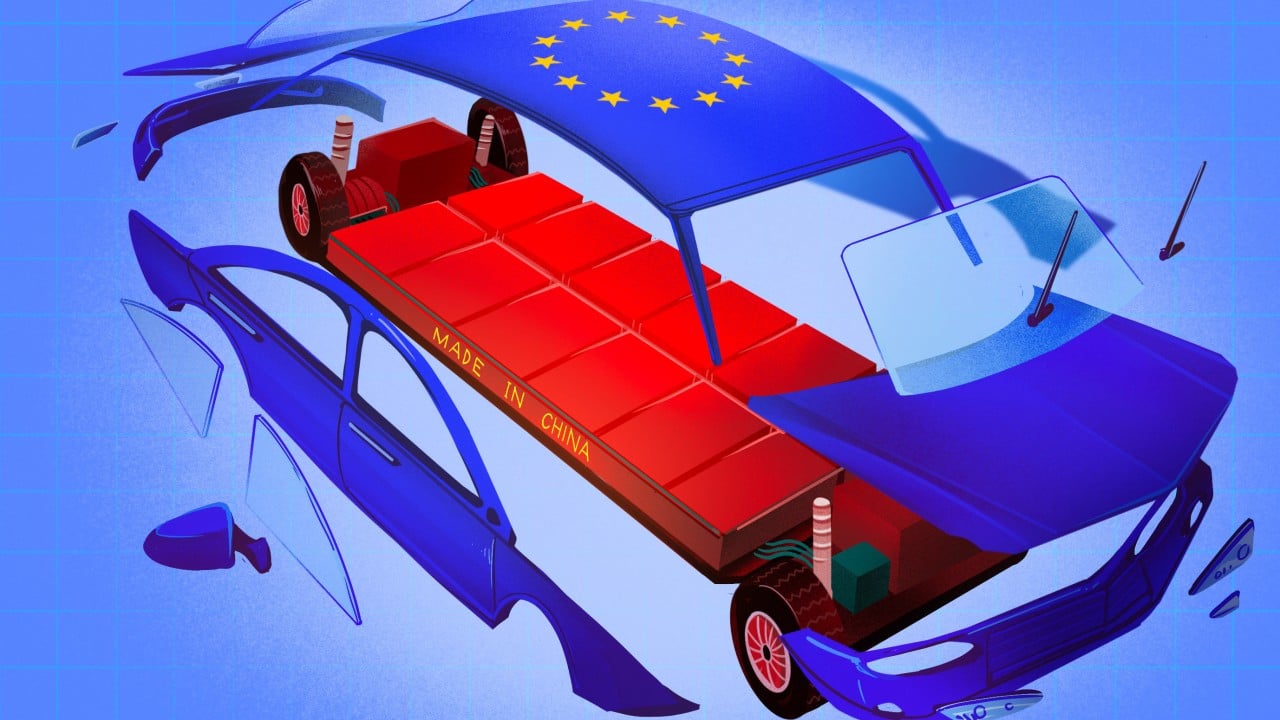
AdvertisementElectric & new energy vehiclesEconomyChina Economy‘Made in EU’: How Europe plans to use China’s tech to pull level with its EV rival by 2028New regulations will help the EU produce electric vehicles at a price point to match China, but European job losses would be among the trade-offs5-MIN READ5-MINXiaofei Xuin ParisPublished: 6:00am, 18 Jul 2026European policymakers have watched Chinese carmakers roll in like a slow but unstoppable tide over the past few years: affordable, polished and threatening one of the continent’s proudest industrial legacies. Many have warned about the dismantling of their automotive prides following the new China shock.A crown jewel of Europe’s industrial output, the automotive sector represents directly and indirectly a total of more than 13 million jobs in the EU.
It was no accident that electric vehicles became the first major flashpoint that rocked the trade boat between Beijing and Brussels: the EU slapped tariffs on Chinese-made EVs last year, so China hit back at European cognac, pork and dairy.But the obituaries may have been written too soon. A growing number of industry insiders said European brands could pull level with their Chinese rivals in cost, some predicting parity could come as soon as 2028 or 2029.
Their careful optimism came hedged with caveats, but the gap that once looked fatal might finally be beginning to close.For Harald Hendrikse, European head of autos research at Citi, who proposed the 2028 to 2029 time frame in a May note, reaching it rested on two pillars: the correct implementation of the “Made in EU” requirements in the proposed Industrial Accelerator Act (IAA), and continued European access to Chinese technology and know-how.“The most important thing is the fact that the Chinese are completely open, the Chinese industry is completely open to working with Western manufacturers, which means that basically, even relatively new Chinese technology is coming very quickly to Europe,” Hendrikse said.
AdvertisementSelect VoiceSelect Speed0.8x0.9x1.
0x1.1x1.2x1.
5x1.75x00:0000:001.00x
Đọc thêm từ Tài chính
Mexico’s New US Ambassador Sees USMCA Deal Coming Together This Year
The high-stakes review of North America’s free trade pact should be completed later this year, Mexico’s top diplomat in the US said in an interview with Bloomberg Television.
Goldgroup Mining and Gold Resource Corporation Announce Closing of Business Combination and Goldgroup’s Anticipated Listing on the NYSE American
VANCOUVER, British Columbia & DENVER — Goldgroup Mining Inc. (TSX-V: GGA; OTC: GGAZD) (“Goldgroup” or the “Company”) and Gold Resource Corporation (NYSE American: GORO) (“GRC”) are pleased to announce that they have closed the previously announced merger (the “Merger”) pursuant t