LisaFPGA brings Apple's magnificent misfire back in programmable logic
Open source recreation costs a fraction of the original and may even work with Twiggy drives
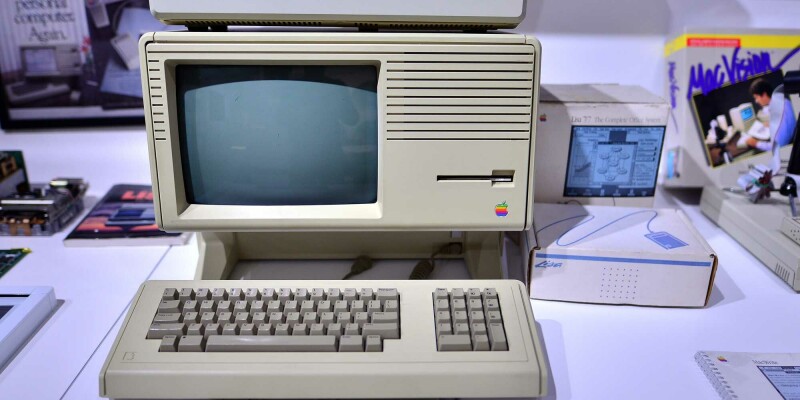
Apple Lisas are rare now. Here's a rather cheaper way to build your own – and in theory, it can even use original floppy drives. LisaFPGA does what it says on the GitHub repo: "The Apple Lisa computer implemented inside an FPGA!"
It's an open source project that recreates a complete Apple Lisa on an FPGA board. It's not entirely complete yet, but hardware went on sale in May and you might still be able to buy one – or download the bitstream of the model and build your own. The Apple Lisa was a very strange computer, in part because it was pioneering new design territory.
Apple started the project before the famous visits to Xerox PARC to see what became the Alto – also a radical machine, as The Reg FOSS desk tried to describe in 2023 for the machine's 50th anniversary. After those visits (for which Apple paid Xerox in shares, which the photocopier giant promptly sold), Apple changed course. Now the Lisa would be the first mass-market computer with a GUI.
(The "mass market" bit didn't work out, and 2,700 unsold Lisas ended up as landfill in 1989.) Even so, it was a very important and influential machine: The Register celebrated its 30th birthday and indeed took another look back in 2019. So it's quite hard to find an Apple Lisa today, and if you manage to do so, it will probably (a) cost you quite a lot of money and (b) not be in working condition.
That's a shame because Apple released the source to Lisa OS for the machine's 40th birthday in 2023. The enterprising developer behind LisaFPGA is Alex Anderson-McLeod, and he built his knowledge of the Lisa and its implementation from an earlier project. Last year, he managed to work out how to compile and build Lisa OS from Apple's source code.
This was a particularly difficult effort, and he documents the process of Lisa OS Source Code Compilation at length. We've read the account closely and we think it's fair to say the build process is deeply arcane. (Sadly, the repo does not contain the source code itself, as the ve
Đọc thêm từ Công nghệ
Enterprise AI is entering an evaluation gap: Agents are gaining autonomy faster than companies can verify them
Enterprise AI teams are giving agents more freedom at the same moment their confidence in automated testing is collapsing.Half of enterprises have deployed an AI agent or LLM feature that passed internal evaluations and yet still caused a customer-facing failure — one in four mor

US eases restrictions on Apple’s access to AI chips and data center equipment in the UAE
Apple is among eight U.S. companies now able to bring covered advanced-computing chips, servers, and other controlled technology into the UAE without applying for individual export licenses. Here’s what that means.
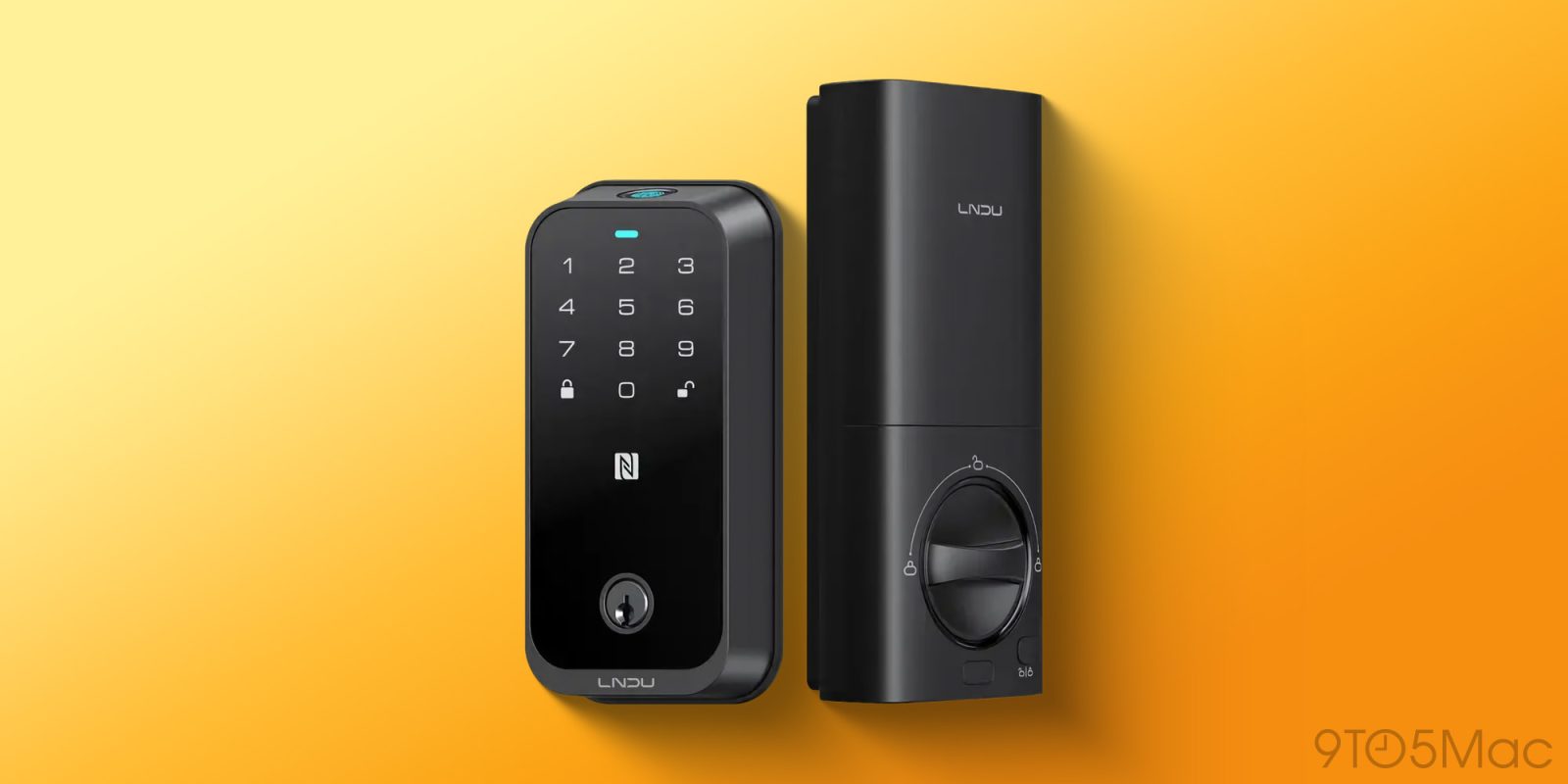
HomeKit Weekly: The LNDU HK01W brings Apple Home Key and Wi-Fi to a budget-friendly lock
My top feature for a smart lock for any Apple smart home person is Apple Home Key support. The ability to tap your iPhone or Apple Watch against your front door and walk right inside is incredibly convenient. The problem is that most locks that support this feature are expensive,
Ask HN: What was the last task where only a frontier model could do it?
ive been seeing a recurring claim that open (weight) models 6 months behind the frontier are good enough for the majority of ‘work’. if you've had a concrete task in the last month where GLM/DeepSeek/Kimi/Qwen failed and Opus/Fable/GPT succeeded (or vice versa!), please shareIll