Kraken integrates Solana DEX trading into app, plans more networks
Kraken's integration of Solana DEX trading into its app could drive broader adoption of decentralized finance, despite higher fees and risks. The post Kraken integrates Solana DEX trading into app, plans more networks appeared first on Crypto Briefing.

Kraken integrates Solana DEX trading into app, plans more networks The centralized exchange embeds Jupiter-powered on-chain trading, giving users access to thousands of Solana tokens without leaving the Kraken app Share Add us on Google by Editorial Team Jun. 18, 2026 Kraken just blurred the line between centralized and decentralized trading. The exchange launched embedded DEX trading directly inside its mobile app on May 12, powered by Jupiter, Solana’s dominant swap aggregator, giving verified users access to thousands of tokens that never made it onto Kraken’s traditional order books.
How the integration actually works The feature relies on an embedded non-custodial wallet powered by Privy, a wallet infrastructure provider that handles key management behind the scenes. Users don’t need to create or manage a separate wallet. The app automatically generates one, and trades pull from existing Kraken balances.
Transactions settle in under a minute, which is standard Solana speed. Advertisement Only market orders are supported. There’s a 3% slippage tolerance baked in, which is generous by DEX standards and could eat into returns on less liquid pairs.
The minimum trade size is $10. On the fee side, Kraken charges a 1% technology fee on every swap. Solana network costs are on top of that, though they typically land below $0.
01 per transaction. For context, that 1% fee is significantly higher than what users would pay swapping directly through Jupiter’s own interface, where the aggregator itself charges no protocol fee. The feature pulls from a verified token list, meaning users won’t have access to literally every contract deployed on Solana.
Traditional deposit and withdrawal functionality doesn’t apply to these DEX-traded tokens. You can buy and sell them within the app, but you’re not moving them to an external wallet. Limited geography, with expansion planned The rollout is narrow for now.
Kraken has restricted the feature to verified users in Egypt, Panama, Peru, the Dominican Republic, and Mexico. Kraken has indicated plans to expand both the number of supported blockchain networks and the geographic availability based on user demand. The exchange already has a working relationship with the Solana ecosystem.
Earlier in 2025, Kraken partnered on xStocks, a tokenized equities project built on Solana. What this means for investors The 1% fee plus 3% slippage tolerance means cost-conscious traders will still prefer going direct. The risk side is equally important: the 3% slippage tolerance means users could receive significantly less than expected on volatile or thinly traded pairs.
And the lack of withdrawal functionality for DEX-traded tokens means users are trusting Kraken’s embedded wallet infrastructure with custody, even though the wallet is technically non-custodial. Disclosure: This article was edited by Editorial Team. For more information on how we create and review content, see our Editorial Policy.
MARKETS Kraken integrates Solana DEX trading into app, plans more networks The centralized exchange embeds Jupiter-powered on-chain trading, giving users access to thousands of Solana tokens without leaving the Kraken app by Editorial Team Just now ago Share Add us on Google Kraken just blurred the line between centralized and decentralized trading. The exchange launched embedded DEX trading directly inside its mobile app on May 12, powered by Jupiter, Solana’s dominant swap aggregator, giving verified users access to thousands of tokens that never made it onto Kraken’s traditional order books. How the integration actually works The feature relies on an embedded non-custodial wallet powered by Privy, a wallet infrastructure provider that handles key management behind the scenes.
Users don’t need to create or manage a separate wallet. The app automatically generates one, and trades pull from existing Kraken balances. Transactions settle in under a minute, which is standard Solana speed.
Advertisement Only market orders are supported. There’s a 3% slippage tolerance baked in, which is generous by DEX standards and could eat into returns on less liquid pairs. The minimum trade size is $10.
On the fee side, Kraken charges a 1% technology fee on every swap. Solana network costs are on top of that, though they typically land below $0.01 per transaction.
For context, that 1% fee is significantly higher than what users would pay swapping directly through Jupiter’s own interface, where the aggregator itself charges no protocol fee. The feature pulls from a verified token list, meaning users won’t have access to literally every contract deployed on Solana. Traditional deposit and withdrawal functionality doesn’t apply to these DEX-traded tokens.
You can buy and sell them within the app, but you’re not moving them to an external wallet. Limited geography, with expansion planned The rollout is narrow for now. Kraken has restricted the feature to verified users in Egypt, Panama, Peru, the Dominican Republic, and Me
Đọc thêm từ Tiền số / Crypto
Wall Street predicts Amazon stock price for next 12 months
Although Amazon.com, Inc. (NASDAQ: AMZN) stock has faced increased bearish sentiment over the past few months, Wall Street remains bullish … Continue reading The post Wall Street predicts Amazon stock price for next 12 months appeared first on Finbold.
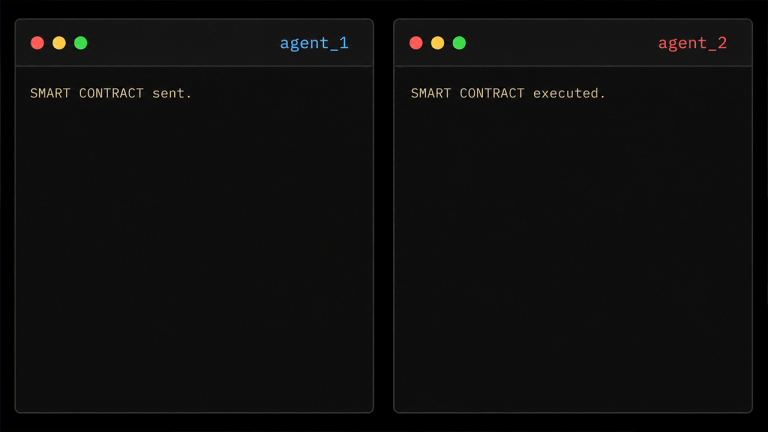
2 Incorporated AI Agents Sign First Legal Deal That Executes Itself on Ethereum
Two artificial intelligence (AI) agents incorporated as legal entities negotiated, signed, and executed a binding contract that a court can read and a blockchain can run. [/key_takeaways] Key Takeaways: Clawbank and Shodai executed the first AI-to-AI Ricardian contract, binding l

Lite Strategy leads $1M investment in LitVM to bring smart contracts to Litecoin
Lite Strategy led a $1 million investment in LitVM as the Litecoin treasury firm backs smart contracts, DeFi and tokenized assets on LTC. The post Lite Strategy leads $1M investment in LitVM to bring smart contracts to Litecoin appeared first on Crypto Briefing.

Gas prices fall under $4 as US signs deal with Iran to end war
The US-Iran deal could stabilize global oil markets, reduce inflation pressures, and influence central bank policies, impacting risk assets. The post Gas prices fall under $4 as US signs deal with Iran to end war appeared first on Crypto Briefing.