JD Vance outlines strict conditions for Iran sanctions relief in new MOU
The MOU's conditional sanctions relief could stabilize global energy markets and redefine US-Iran relations, impacting geopolitical dynamics. The post JD Vance outlines strict conditions for Iran sanctions relief in new MOU appeared first on Crypto Briefing.

JD Vance outlines strict conditions for Iran sanctions relief in new MOU The US-Iran memorandum of understanding ties any benefits to verifiable nuclear commitments and a 60-day ceasefire extension Share Add us on Google by Editorial Team Jun. 15, 2026 The United States and Iran have signed a memorandum of understanding that could reshape one of the most fraught diplomatic relationships of the past half-century. Vice President JD Vance laid out the core terms: Iran gets sanctions relief only if it commits to not building a nuclear weapon and meets verifiable conditions to prove it.
The MOU, digitally signed on June 14-15, extends a ceasefire between the two nations by an additional 60 days. It also sets the framework for broader negotiations on Iran’s nuclear program and the reopening of the Strait of Hormuz, the narrow waterway through which roughly a fifth of the world’s oil supply passes daily. What the deal actually says The core requirement centers on Iran taking concrete, verifiable steps to reduce its enriched uranium stockpiles.
Vance has been explicit that sanctions relief is conditional, not aspirational. Advertisement The MOU was signed by President Donald Trump, Vice President Vance, and Iranian officials. A formal signing ceremony is scheduled for this Friday in Geneva, with the full text of the agreement expected to be publicly released within 24 to 48 hours after that ceremony.
Vance has acknowledged that critical aspects of the broader deal are still being negotiated. The MOU functions more like a diplomatic scaffolding than a finished building. It establishes the parameters for future talks while locking in the ceasefire extension as a confidence-building measure.
Why this approach is different The 2015 Joint Comprehensive Plan of Action, commonly known as the Iran nuclear deal, was negotiated under President Obama and involved multiple world powers. Trump withdrew the US from that agreement during his first term in 2018, reimposing sweeping sanctions. Iran subsequently accelerated its uranium enrichment activities, pushing its stockpiles well beyond the limits set in the original deal.
This new MOU structures relief as a reward for demonstrated action rather than front-loading concessions and hoping compliance follows. The inclusion of the Strait of Hormuz in the agreement addresses a pressure point that affects global energy markets directly, as Iran has periodically threatened to close or disrupt traffic through the strait during periods of heightened tension. What this means for markets and investors The conditional nature of the MOU means the 60-day ceasefire window creates a defined period during which markets will be watching for signals about whether Iran is meeting its commitments.
For investors tracking macro conditions, the Geneva ceremony and subsequent release of the full MOU text will be the next critical data points. The difference between a framework agreement and a binding, enforceable deal is vast, and the details buried in that text will determine whether this MOU becomes a genuine inflection point or another chapter in a decades-long diplomatic stalemate. If Iran-related sanctions are eventually eased, it could affect the compliance landscape for crypto exchanges and financial institutions that currently screen for Iranian-linked transactions, contingent on Iran actually meeting its obligations.
Disclosure: This article was edited by Editorial Team. For more information on how we create and review content, see our Editorial Policy. MACRO JD Vance outlines strict conditions for Iran sanctions relief in new MOU The US-Iran memorandum of understanding ties any benefits to verifiable nuclear commitments and a 60-day ceasefire extension by Editorial Team Just now ago Share Add us on Google The United States and Iran have signed a memorandum of understanding that could reshape one of the most fraught diplomatic relationships of the past half-century.
Vice President JD Vance laid out the core terms: Iran gets sanctions relief only if it commits to not building a nuclear weapon and meets verifiable conditions to prove it. The MOU, digitally signed on June 14-15, extends a ceasefire between the two nations by an additional 60 days. It also sets the framework for broader negotiations on Iran’s nuclear program and the reopening of the Strait of Hormuz, the narrow waterway through which roughly a fifth of the world’s oil supply passes daily.
What the deal actually says The core requirement centers on Iran taking concrete, verifiable steps to reduce its enriched uranium stockpiles. Vance has been explicit that sanctions relief is conditional, not aspirational. Advertisement The MOU was signed by President Donald Trump, Vice President Vance, and Iranian officials.
A formal signing ceremony is scheduled for this Friday in Geneva, with the full text of the agreement expected to be publicly released within 24 to 48 hours after that ceremony. Vance has acknowledged that critical aspects o
Đọc thêm từ Tiền số / Crypto

Chelsea enquires about Serie A best defender Marco Palestra’s availability
Chelsea's interest in Palestra highlights the intensifying competition among top clubs for emerging defensive talents, impacting transfer market dynamics. The post Chelsea enquires about Serie A best defender Marco Palestra’s availability appeared first on Crypto Briefing.

Santiment says Iran deal sparks crypto’s next bull cycle
Bitcoin has climbed more than 11% from its early June low as Santiment says the U.S.-Iran peace agreement may be laying the groundwork for a longer crypto bull market. According to on-chain analytics firm Santiment, investor sentiment has improved sharply…
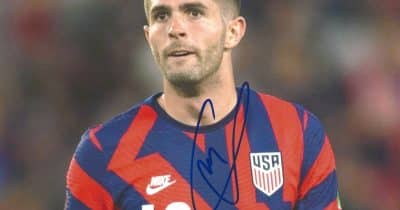
Christian Pulisic linked to NYCFC amid World Cup transfer rumors, but don’t expect a crypto angle
Pulisic's potential move highlights shifting dynamics in sports transfers, with less emphasis on crypto, reflecting broader market trends. The post Christian Pulisic linked to NYCFC amid World Cup transfer rumors, but don’t expect a crypto angle appeared first on Crypto Briefing.

Oil buyers reassess purchases after US-Iran deal sends crude prices tumbling
The US-Iran deal's impact on oil prices could reshape global energy markets, benefiting sectors reliant on lower fuel costs while posing risks if negotiations falter. The post Oil buyers reassess purchases after US-Iran deal sends crude prices tumbling appeared first on Crypto Br