IRGC claims missile, drone strikes on US positions, threatens to end deal
Escalating tensions and potential deal termination could hinder diplomatic progress, impacting regional stability and global market dynamics. The post IRGC claims missile, drone strikes on US positions, threatens to end deal appeared first on Crypto Briefing.
https://www.jpost.com/middle-east/iran-news/article-888831 IRGC claims missile, drone strikes on US positions, threatens to end deal US-Iran final nuclear deal Share Add us on Google by Estefano Gomez Jun.
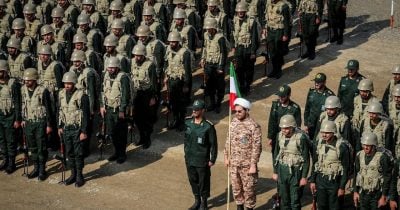
27, 2026 Iran’s Islamic Revolutionary Guard Corps (IRGC) has claimed responsibility for a coordinated missile and drone attack targeting U.S. military positions in Kuwait and Bahrain.
The IRGC has further warned that it may terminate the existing Iran-U.S. agreement due to alleged ceasefire violations by the United States.
This development comes amid a fragile 60-day ceasefire established by the Islamabad Memorandum of Understanding, aiming to permanently end hostilities and reopen the Strait of Hormuz. As tensions escalate, market participants appear to view these events as significantly impacting the likelihood of a final nuclear deal between the U.S.
and Iran by the upcoming deadlines. Advertisement Key Takeaways Pricing suggests a decrease in the probability of reaching a U.S.
-Iran nuclear deal by August 18, 2026, with current odds at 20.5% YES. The IRGC’s attack and threat to end the agreement appear supportive of a decreased likelihood of a nuclear deal by June 30, 2026, now priced at 0.
1% YES. Increased regional tensions following the IRGC’s actions may indicate a higher probability of Iran closing its airspace, consistent with an increase to 25% YES on this scenario. What to Watch Observers should monitor any further military responses from the U.
S. and potential diplomatic maneuvers from Iran, as these could further influence the likelihood of a nuclear agreement. Key figures such as President Donald Trump and Iran’s Foreign Minister Abbas Araghchi are central to the evolving situation.
Additionally, any announcements from international bodies like the IAEA or the UN Security Council regarding sanctions or monitoring could shift market expectations. The potential for renewed escalation remains high, which could affect related markets like those pricing Iran’s airspace closure. Get prediction market intelligence as a structured API feed.
Early access waitlist. Disclosure: This article was edited by Estefano Gomez. For more information on how we create and review content, see our Editorial Policy.
MACRO IRGC claims missile, drone strikes on US positions, threatens to end deal US-Iran final nuclear deal by Estefano Gomez Jun. 27, 2026 Share Add us on Google https://www.jpost.
com/middle-east/iran-news/article-888831 Iran’s Islamic Revolutionary Guard Corps (IRGC) has claimed responsibility for a coordinated missile and drone attack targeting U.S. military positions in Kuwait and Bahrain.
The IRGC has further warned that it may terminate the existing Iran-U.S. agreement due to alleged ceasefire violations by the United States.
This development comes amid a fragile 60-day ceasefire established by the Islamabad Memorandum of Understanding, aiming to permanently end hostilities and reopen the Strait of Hormuz. As tensions escalate, market participants appear to view these events as significantly impacting the likelihood of a final nuclear deal between the U.S.
and Iran by the upcoming deadlines. Advertisement Key Takeaways Pricing suggests a decrease in the probability of reaching a U.S.
-Iran nuclear deal by August 18, 2026, with current odds at 20.5% YES. The IRGC’s attack and threat to end the agreement appear supportive of a decreased likelihood of a nuclear deal by June 30, 2026, now priced at 0.
1% YES. Increased regional tensions following the IRGC’s actions may indicate a higher probability of Iran closing its airspace, consistent with an increase to 25% YES on this scenario. What to Watch Observers should monitor any further military responses from the U.
S. and potential diplomatic maneuvers from Iran, as these could further influence the likelihood of a nuclear agreement. Key figures such as President Donald Trump and Iran’s Foreign Minister Abbas Araghchi are central to the evolving situation.
Additionally, any announcements from international bodies like the IAEA or the UN Security Council regarding sanctions or monitoring could shift market expectations. The potential for renewed escalation remains high, which could affect related markets like those pricing Iran’s airspace closure. Get prediction market intelligence as a structured API feed.
Early access waitlist. Disclosure: This article was edited by Estefano Gomez. For more information on how we create and review content, see our Editorial Policy.
Đọc thêm từ Tiền số / Crypto

Kevin Warsh takes the Fed’s wheel with a crypto portfolio and a grudge against forward guidance
Warsh's leadership may redefine Fed policies, impacting inflation control, crypto markets, and fostering internal policy debates. The post Kevin Warsh takes the Fed’s wheel with a crypto portfolio and a grudge against forward guidance appeared first on Crypto Briefing.

Messi’s pre-match embrace with Maxi Rodríguez becomes a World Cup ritual as fan tokens watch closely
Messi's World Cup presence boosts fan token activity, highlighting the volatile intersection of sports fandom and speculative crypto markets. The post Messi’s pre-match embrace with Maxi Rodríguez becomes a World Cup ritual as fan tokens watch closely appeared first on Crypto Bri

Austria advances after Marko Arnautović’s goal against Algeria
Austria's advancement highlights their resurgence in international football, potentially altering the competitive dynamics in future tournaments. The post Austria advances after Marko Arnautović’s goal against Algeria appeared first on Crypto Briefing.
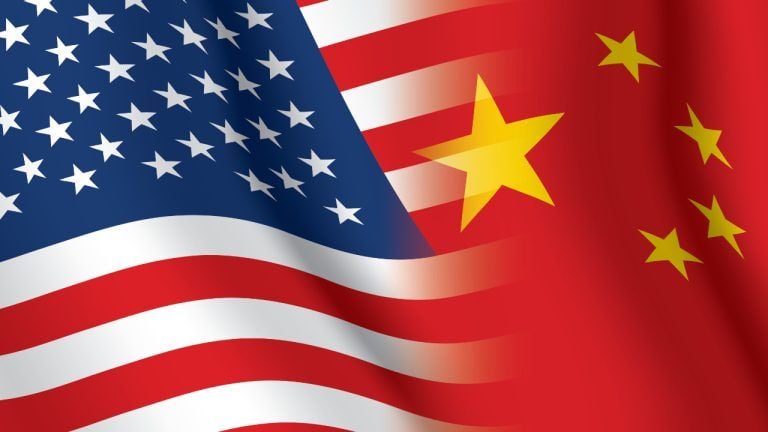
China Could Win Big if CLARITY Act Dies in Washington, Strategist Warns
China could gain influence over digital-asset standards if Congress fails to pass the CLARITY Act. A strategist has warned that U.S. hesitation could affect financial infrastructure, dollar dominance, and global rulemaking. Digital Asset Rules Take on Geopolitical Stakes in Washi