Iran to charge service fees for ships in Strait of Hormuz, with Bitcoin payments and friendly-nation discounts
Iran's new fees and Bitcoin payments for Hormuz transit could reshape global shipping norms, impacting oil prices and geopolitical alliances. The post Iran to charge service fees for ships in Strait of Hormuz, with Bitcoin payments and friendly-nation discounts appeared first on
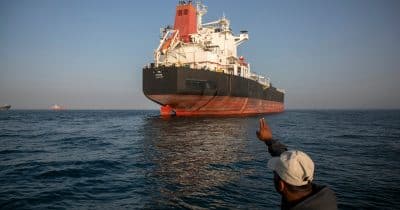
Iran to charge service fees for ships in Strait of Hormuz, with Bitcoin payments and friendly-nation discounts Tehran's new maritime fee structure introduces crypto-settled insurance and preferential rates for allied nations, adding fresh uncertainty to global shipping and oil markets Share Add us on Google by Editorial Team Jul. 4, 2026 Iran plans to start charging commercial vessels for transiting the Strait of Hormuz once a 60-day free-passage window expires, a move that has already drawn pushback from Washington and could ripple through global oil and shipping markets. Tehran is simultaneously rolling out a Bitcoin-settled insurance platform for ships making the passage.
What’s actually happening The backdrop here is a US-Iran memorandum of understanding struck in mid-June 2026 that guaranteed toll-free commercial transit through the Strait for 60 days. That window is set to close around mid-August, and what comes after is where things get complicated. Iran established the Persian Gulf Strait Authority back in May 2026 specifically to oversee “safe passage permits” and collect service fees tied to navigation and environmental measures.
The Iranian foreign ministry has been careful to label these as “maritime service fees” rather than tolls, a distinction that matters under international maritime law. Advertisement Washington rejected the proposed fee structure outright, arguing it could disrupt established international shipping norms. Roughly 20% of the world’s oil supply passes through the Strait of Hormuz on any given day.
Shipping giant Maersk has voiced concerns that Iran’s fee structure could set a harmful precedent for international shipping. The crypto angle is real In May 2026, Iran introduced something called Hormuz Safe, a platform that allows Bitcoin-settled, verifiable insurance policies for vessels transiting the Strait, with premiums paid in BTC rather than through traditional banking channels. Reports from earlier in 2026 indicated that IRGC-linked entities were already accepting yuan or stablecoins for safe-passage permits, with fees starting at approximately $1 per barrel for oil shipments.
The Hormuz Safe platform appears to formalize and expand what was already happening in less transparent ways. Iran has spent years under heavy financial sanctions that cut it off from the SWIFT banking network and most Western financial infrastructure. Crypto, particularly Bitcoin and dollar-pegged stablecoins, offers a way to collect payments without needing access to correspondent banking relationships that sanctions have severed.
What this means for markets On the oil side, the introduction of service fees could generate upward pressure on global crude and shipping costs once the free-transit period expires in mid-August 2026. Iran’s ambassador to China confirmed the fee plans while assuring that “friendly” nations would receive preferential treatment, effectively creating a two-tier pricing system for one of the world’s most critical trade routes, potentially incentivizing nations to align politically with Tehran in exchange for lower shipping costs. Traders should watch for two things in the coming weeks: any escalation in rhetoric between Washington and Tehran as the 60-day free-transit window closes, and on-chain data that might reveal the volume of BTC flowing through Hormuz Safe or related platforms.
Disclosure: This article was edited by Editorial Team. For more information on how we create and review content, see our Editorial Policy. MACRO Iran to charge service fees for ships in Strait of Hormuz, with Bitcoin payments and friendly-nation discounts Tehran's new maritime fee structure introduces crypto-settled insurance and preferential rates for allied nations, adding fresh uncertainty to global shipping and oil markets by Editorial Team Jul.
4, 2026 Share Add us on Google Iran plans to start charging commercial vessels for transiting the Strait of Hormuz once a 60-day free-passage window expires, a move that has already drawn pushback from Washington and could ripple through global oil and shipping markets. Tehran is simultaneously rolling out a Bitcoin-settled insurance platform for ships making the passage. What’s actually happening The backdrop here is a US-Iran memorandum of understanding struck in mid-June 2026 that guaranteed toll-free commercial transit through the Strait for 60 days.
That window is set to close around mid-August, and what comes after is where things get complicated. Iran established the Persian Gulf Strait Authority back in May 2026 specifically to oversee “safe passage permits” and collect service fees tied to navigation and environmental measures. The Iranian foreign ministry has been careful to label these as “maritime service fees” rather than tolls, a distinction that matters under international maritime law.
Advertisement Washington rejected the proposed fee structure outright, arguing it could disrupt established international shipping norms. Roughly 20%
Đọc thêm từ Tiền số / Crypto

Esports World Cup 2026 VALORANT kicks off elimination rounds as $75M festival lands in Paris
The Esports World Cup 2026 in Paris highlights the growing mainstream appeal and financial stakes of competitive gaming, excluding crypto. The post Esports World Cup 2026 VALORANT kicks off elimination rounds as $75M festival lands in Paris appeared first on Crypto Briefing.

California cancels World Cup watch parties amid violence concerns
California's cancellation of World Cup watch parties may inadvertently boost offshore and crypto sports betting, diverting local economic benefits. The post California cancels World Cup watch parties amid violence concerns appeared first on Crypto Briefing.
LAB’s fate hinges on $6 support after a 32% crash – Break it and…
LAB crashed 32%, but are growing leveraged positions setting up the token's next big move?

Ohtani eyes Sunday return after injury, boosting 2026 runs leader prospects
Ohtani's return could significantly influence MLB prediction markets, enhancing his prospects for leading in runs and impacting team dynamics. The post Ohtani eyes Sunday return after injury, boosting 2026 runs leader prospects appeared first on Crypto Briefing.