Iran ties Strait of Hormuz reopening to $12B assets, oil waivers, Israel exit
Iran's demands for reopening the Strait of Hormuz could escalate regional tensions, affecting global oil markets and geopolitical stability. The post Iran ties Strait of Hormuz reopening to $12B assets, oil waivers, Israel exit appeared first on Crypto Briefing.
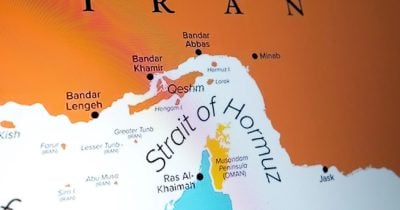
https://www.bloomberg.com/opinion/articles/2026-03-03/iran-war-the-us-needs-to-race-to-reopen-the-strait-of-hormuz Iran ties Strait of Hormuz reopening to $12B assets, oil waivers, Israel exit Iranian demands Trump will agree to by June 30 Share Add us on Google by Estefano Gomez Jun.
20, 2026 The IRGC-affiliated Tasnim News reported that the reopening of the Strait of Hormuz is contingent upon several conditions outlined in the Iran-US memorandum of understanding (MoU). These conditions include the release of at least $12 billion in Iranian assets, the implementation of oil sanctions waivers, and Israel’s withdrawal from Lebanon. The report emphasized that reopening the Strait solely in exchange for lifting the US naval blockade would be a “strategic mistake” and a violation of the MoU.
This development ties the maritime passage to broader geopolitical negotiations and impacts ongoing discussions related to regional security and economic sanctions. Advertisement Key Takeaways The statement from Tasnim News appears to suggest that increased Iranian demands could complicate the likelihood of U.S.
agreement to these terms by June 30. Market pricing implies a decreased likelihood of traffic normalization in the Strait of Hormuz by the end of June, consistent with the conditions outlined by Tasnim. The reported conditions for reopening the Strait of Hormuz are consistent with continued closure scenarios, affecting maritime and geopolitical dynamics.
What to Watch Markets will be observing the responses from key actors, including former U.S. President Donald Trump and Iranian leadership, as the June 30 deadline approaches.
Any announcements from the U.S. or Iran regarding concessions or changes to the MoU could alter current market perceptions.
Additionally, developments in Israel’s military positioning in Lebanon may further influence the geopolitical landscape and associated market pricing. Get prediction market intelligence as a structured API feed. Early access waitlist.
Disclosure: This article was edited by Estefano Gomez. For more information on how we create and review content, see our Editorial Policy. MACRO Iran ties Strait of Hormuz reopening to $12B assets, oil waivers, Israel exit Iranian demands Trump will agree to by June 30 by Estefano Gomez Jun.
20, 2026 Share Add us on Google https://www.bloomberg.com/opinion/articles/2026-03-03/iran-war-the-us-needs-to-race-to-reopen-the-strait-of-hormuz The IRGC-affiliated Tasnim News reported that the reopening of the Strait of Hormuz is contingent upon several conditions outlined in the Iran-US memorandum of understanding (MoU).
These conditions include the release of at least $12 billion in Iranian assets, the implementation of oil sanctions waivers, and Israel’s withdrawal from Lebanon. The report emphasized that reopening the Strait solely in exchange for lifting the US naval blockade would be a “strategic mistake” and a violation of the MoU. This development ties the maritime passage to broader geopolitical negotiations and impacts ongoing discussions related to regional security and economic sanctions.
Advertisement Key Takeaways The statement from Tasnim News appears to suggest that increased Iranian demands could complicate the likelihood of U.S. agreement to these terms by June 30.
Market pricing implies a decreased likelihood of traffic normalization in the Strait of Hormuz by the end of June, consistent with the conditions outlined by Tasnim. The reported conditions for reopening the Strait of Hormuz are consistent with continued closure scenarios, affecting maritime and geopolitical dynamics. What to Watch Markets will be observing the responses from key actors, including former U.
S. President Donald Trump and Iranian leadership, as the June 30 deadline approaches. Any announcements from the U.
S. or Iran regarding concessions or changes to the MoU could alter current market perceptions. Additionally, developments in Israel’s military positioning in Lebanon may further influence the geopolitical landscape and associated market pricing.
Get prediction market intelligence as a structured API feed. Early access waitlist. Disclosure: This article was edited by Estefano Gomez.
For more information on how we create and review content, see our Editorial Policy.
Đọc thêm từ Tiền số / Crypto
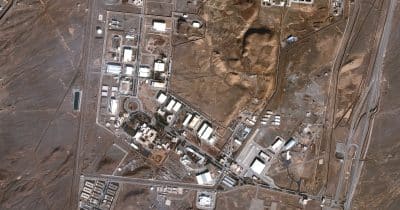
United States seeks IAEA access to Iranian nuclear sites in exchange for asset release
The potential deal could reshape global oil markets, influence geopolitical stability, and alter Iran's financial interactions internationally. The post United States seeks IAEA access to Iranian nuclear sites in exchange for asset release appeared first on Crypto Briefing.

Web3 Casinos With Verifiable Payouts: Wallet-Based Play Explained
Web3 casinos with verifiable payouts explained: how on-chain settlement, provably-fair tooling, and audited contracts let you check a payout yourself, plus what verification does and does not prove.

US Air Force intensifies operations over Persian Gulf amid Iran tensions
Escalating US-Iran tensions over the Persian Gulf could disrupt global oil markets and heighten regional instability, impacting global economies. The post US Air Force intensifies operations over Persian Gulf amid Iran tensions appeared first on Crypto Briefing.

As Top Analysts Turn Bearish on Bitcoin, Cryptoquant’s CEO Stands Almost Alone
Cryptoquant CEO Ki Young Ju says the consensus among top bitcoin analysts has flipped bearish, leaving him among the few still expecting a rebound as BTC trades roughly $25,000 below where it began the year. A Sentiment Shift Among the Pros Founder of onchain analytics firm Crypt