Iran’s oil ministry reports $11B in sales despite sanctions, with crypto playing a quiet role
Iran's use of crypto for oil sales amid sanctions highlights digital currencies' potential in global trade, posing regulatory challenges. The post Iran’s oil ministry reports $11B in sales despite sanctions, with crypto playing a quiet role appeared first on Crypto Briefing.

Iran’s oil ministry reports $11B in sales despite sanctions, with crypto playing a quiet role Tehran's oil revenue held up through war and ceasefire alike, with digital assets emerging as part of the payment infrastructure Share Add us on Google by Editorial Team Jul. 26, 2026 Sanctions were supposed to strangle Iran’s oil income. Someone forgot to tell the buyers.
Iran’s Oil Ministry reported that oil sales exceeded $11 billion in the first four months of the fiscal year, a figure that lands with some weight given the country was simultaneously navigating active conflict with the United States and Israel, plus the diplomatic aftermath of a ceasefire. The breakdown, according to ministry reporting, puts $11.5 billion in revenue during the war period that began February 28, 2026, and another $6.
5 billion accumulated during the ceasefire that followed. Together, those two figures represent more than 60% of Iran’s entire budgeted oil revenue for the fiscal year, compressed into a fraction of the calendar. Advertisement China remains the engine behind Iran’s export machine Independent tracking puts Iranian exports at roughly 145.
7 million barrels through March 2026, valued at approximately $11.2 billion. Nearly every barrel moved in that period went to Chinese buyers.
When tanker traffic through the Strait of Hormuz became riskier during active hostilities, volumes adjusted. When the ceasefire reduced that risk, shipments picked back up, including roughly 100 million barrels of crude and gas condensate during the post-war period. Digital payments are filling the gap left by traditional banking Here’s where it gets interesting for crypto markets.
Iran’s reported strategy increasingly includes digital payment rails to route around the Western banking system. Analysis of the country’s transaction infrastructure points to Bitcoin and Tether as tools being used to settle international oil deals, not as speculative assets but as functional payment instruments. Tether, the dollar-pegged stablecoin, has been documented circulating in sanctioned economies precisely because it offers dollar-denominated value without requiring a correspondent bank account in New York or London.
Bitcoin adds a layer of censorship resistance that stablecoins, technically, do not fully provide since Tether can freeze wallets. Iran’s use of digital assets for oil settlement represents a meaningful real-world stress test for crypto as a sanctions-evasion layer. It also represents a compliance headache of considerable scale for anyone downstream of those transactions.
What this means for energy markets and crypto investors For crypto specifically, Iran’s reported use of Bitcoin and Tether in oil transactions is the kind of institutional, high-volume use case that the industry has claimed was coming for years. Any exchange or payment processor touching these flows faces serious regulatory exposure under the U.S.
Treasury’s Office of Foreign Assets Control framework. Disclosure: This article was edited by Editorial Team. For more information on how we create and review content, see our Editorial Policy.
MACRO Iran’s oil ministry reports $11B in sales despite sanctions, with crypto playing a quiet role Tehran's oil revenue held up through war and ceasefire alike, with digital assets emerging as part of the payment infrastructure by Editorial Team Jul. 26, 2026 Share Add us on Google Sanctions were supposed to strangle Iran’s oil income. Someone forgot to tell the buyers.
Iran’s Oil Ministry reported that oil sales exceeded $11 billion in the first four months of the fiscal year, a figure that lands with some weight given the country was simultaneously navigating active conflict with the United States and Israel, plus the diplomatic aftermath of a ceasefire. The breakdown, according to ministry reporting, puts $11.5 billion in revenue during the war period that began February 28, 2026, and another $6.
5 billion accumulated during the ceasefire that followed. Together, those two figures represent more than 60% of Iran’s entire budgeted oil revenue for the fiscal year, compressed into a fraction of the calendar. Advertisement China remains the engine behind Iran’s export machine Independent tracking puts Iranian exports at roughly 145.
7 million barrels through March 2026, valued at approximately $11.2 billion. Nearly every barrel moved in that period went to Chinese buyers.
When tanker traffic through the Strait of Hormuz became riskier during active hostilities, volumes adjusted. When the ceasefire reduced that risk, shipments picked back up, including roughly 100 million barrels of crude and gas condensate during the post-war period. Digital payments are filling the gap left by traditional banking Here’s where it gets interesting for crypto markets.
Iran’s reported strategy increasingly includes digital payment rails to route around the Western banking system. Analysis of the country’s transaction infrastructure points to Bitcoin and Tether as tools
Đọc thêm từ Tiền số / Crypto
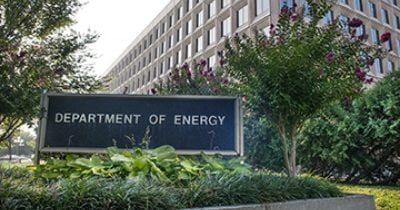
US backs major AI computing hub on federal land with DOE initiative
The initiative could accelerate AI infrastructure growth, influence regulatory frameworks, and impact tech industry collaborations significantly. The post US backs major AI computing hub on federal land with DOE initiative appeared first on Crypto Briefing.

Nvidia to acquire $1B in new shares of South Korea’s Naver, boosting AI and crypto ambitions
Nvidia's investment in Naver could reshape tech landscapes by integrating AI and crypto, potentially setting new industry standards globally. The post Nvidia to acquire $1B in new shares of South Korea’s Naver, boosting AI and crypto ambitions appeared first on Crypto Briefing.

Ripple Leaders Rally Behind CLARITY Act as CEO Says ‘Let’s Get This Done’
Ripple executives are backing the CLARITY Act as lawmakers debate the future of U.S. crypto regulation, with Ripple CEO Brad Garlinghouse urging action while financial firms, technology groups, and advocacy organizations rally behind clearer digital asset rules. Ripple Executives

Meta ordered to explain layoff decisions involving visa holders amid AI discrimination claims
The scrutiny of Meta's layoff decisions highlights the growing tension between AI-driven processes and employment rights, impacting visa holders' futures. The post Meta ordered to explain layoff decisions involving visa holders amid AI discrimination claims appeared first on Cryp