Iran’s IRGC strikes US military sites in Kuwait and Bahrain as Bitcoin plunges below $73K
The escalation in US-Iran tensions could destabilize the region further, impacting global markets and increasing geopolitical risks. The post Iran’s IRGC strikes US military sites in Kuwait and Bahrain as Bitcoin plunges below $73K appeared first on Crypto Briefing.
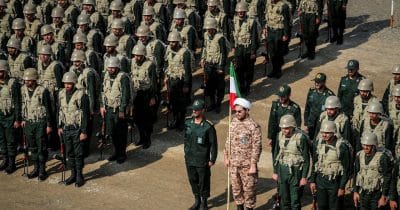
Iran’s IRGC strikes US military sites in Kuwait and Bahrain as Bitcoin plunges below $73K Missile and drone attacks on American bases triggered over $1 billion in crypto liquidations as the US-Iran conflict escalates across the Middle East Share Add us on Google by Editorial Team Jun. 27, 2026 Iran’s Islamic Revolutionary Guard Corps launched missile and drone strikes targeting US military installations in Kuwait and Bahrain on June 3, 2026, marking a dramatic escalation in the simmering conflict between Washington and Tehran. The attacks reportedly targeted Ali Al Salem Air Base in Kuwait and the US Navy’s Fifth Fleet facilities in Bahrain.
Bitcoin’s response was immediate and brutal. The price dropped below $73,000, and more than $1 billion in leveraged positions were liquidated as traders scrambled to de-risk. What happened on the ground The IRGC framed the strikes as direct retaliation for prior US attacks on Iranian soil.
Those earlier US operations reportedly targeted communications infrastructure on Qeshm Island and military sites near the Strait of Hormuz, the narrow waterway through which roughly a fifth of the world’s oil supply passes daily. Advertisement Both Kuwait and Bahrain activated their air defense systems in response to the incoming threats. Air raid warnings were issued across the affected areas as missile interceptions were attempted.
US Central Command acknowledged the missile threats and reported interceptions, though the actual extent of damage from Iran’s strikes remained largely unverified by American assessments. There were also unverified claims that the conflict extended to Jordan, which, if confirmed, would represent an even broader regional destabilization. Jordan hosts several facilities used by US forces, and any confirmed strikes there would dramatically widen the scope of this confrontation.
The crypto connection runs deeper than price action Just one day before the IRGC’s attacks, on June 2, 2026, the US Treasury Department sanctioned Nobitex, Iran’s largest digital asset exchange. The Treasury cited Nobitex’s connections to the IRGC and its alleged role in sanctions evasion and illicit financial activity. What this means for crypto investors The more than $1 billion in liquidations tells a specific story about market structure.
A large number of traders were positioned long with leverage, betting on continued upside. The IRGC strikes created a sudden repricing of risk that cascaded through order books, triggering stop losses and forced selling in a self-reinforcing cycle. Disclosure: This article was edited by Editorial Team.
For more information on how we create and review content, see our Editorial Policy. POLITICS Iran’s IRGC strikes US military sites in Kuwait and Bahrain as Bitcoin plunges below $73K Missile and drone attacks on American bases triggered over $1 billion in crypto liquidations as the US-Iran conflict escalates across the Middle East by Editorial Team Jun. 27, 2026 Share Add us on Google Iran’s Islamic Revolutionary Guard Corps launched missile and drone strikes targeting US military installations in Kuwait and Bahrain on June 3, 2026, marking a dramatic escalation in the simmering conflict between Washington and Tehran.
The attacks reportedly targeted Ali Al Salem Air Base in Kuwait and the US Navy’s Fifth Fleet facilities in Bahrain. Bitcoin’s response was immediate and brutal. The price dropped below $73,000, and more than $1 billion in leveraged positions were liquidated as traders scrambled to de-risk.
What happened on the ground The IRGC framed the strikes as direct retaliation for prior US attacks on Iranian soil. Those earlier US operations reportedly targeted communications infrastructure on Qeshm Island and military sites near the Strait of Hormuz, the narrow waterway through which roughly a fifth of the world’s oil supply passes daily. Advertisement Both Kuwait and Bahrain activated their air defense systems in response to the incoming threats.
Air raid warnings were issued across the affected areas as missile interceptions were attempted. US Central Command acknowledged the missile threats and reported interceptions, though the actual extent of damage from Iran’s strikes remained largely unverified by American assessments. There were also unverified claims that the conflict extended to Jordan, which, if confirmed, would represent an even broader regional destabilization.
Jordan hosts several facilities used by US forces, and any confirmed strikes there would dramatically widen the scope of this confrontation. The crypto connection runs deeper than price action Just one day before the IRGC’s attacks, on June 2, 2026, the US Treasury Department sanctioned Nobitex, Iran’s largest digital asset exchange. The Treasury cited Nobitex’s connections to the IRGC and its alleged role in sanctions evasion and illicit financial activity.
What this means for crypto investors The more than $1 billion in liquidations tells a specific story about market st
Đọc thêm từ Tiền số / Crypto

Kevin Warsh takes the Fed’s wheel with a crypto portfolio and a grudge against forward guidance
Warsh's leadership may redefine Fed policies, impacting inflation control, crypto markets, and fostering internal policy debates. The post Kevin Warsh takes the Fed’s wheel with a crypto portfolio and a grudge against forward guidance appeared first on Crypto Briefing.

Messi’s pre-match embrace with Maxi Rodríguez becomes a World Cup ritual as fan tokens watch closely
Messi's World Cup presence boosts fan token activity, highlighting the volatile intersection of sports fandom and speculative crypto markets. The post Messi’s pre-match embrace with Maxi Rodríguez becomes a World Cup ritual as fan tokens watch closely appeared first on Crypto Bri

Austria advances after Marko Arnautović’s goal against Algeria
Austria's advancement highlights their resurgence in international football, potentially altering the competitive dynamics in future tournaments. The post Austria advances after Marko Arnautović’s goal against Algeria appeared first on Crypto Briefing.

China Could Win Big if CLARITY Act Dies in Washington, Strategist Warns
China could gain influence over digital-asset standards if Congress fails to pass the CLARITY Act. A strategist has warned that U.S. hesitation could affect financial infrastructure, dollar dominance, and global rulemaking. Digital Asset Rules Take on Geopolitical Stakes in Washi