Iran may impose Strait of Hormuz transit fees by August 31, 2026
Iran may impose transit fees in the Strait of Hormuz by August 31, 2026. Market pricing at 45.5% YES. The post Iran may impose Strait of Hormuz transit fees by August 31, 2026 appeared first on Crypto Briefing.
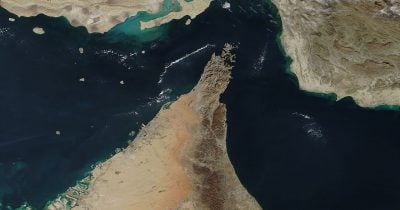
https://en.wikipedia.org/wiki/Strait_of_Hormuz Iran may impose Strait of Hormuz transit fees by August 31, 2026 Iran Hormuz fees Share Add us on Google by Estefano Gomez Jul.
17, 2026 In light of recent developments, Iran’s leadership has demonstrated a willingness to impose significant hardships on its population to preserve the regime’s survival. This approach has surfaced prominently during the ongoing conflict with the United States and Israel, which began in early 2026 following the death of Supreme Leader Ali Khamenei due to coordinated strikes. The situation has led to heightened tensions and increased strategic reliance on partnerships with Russia and China.
As part of its broader strategy, Iran appears focused on maintaining control over the Strait of Hormuz, a critical global oil transit chokepoint, potentially through the imposition of transit fees. Advertisement Markets have shown a keen interest in the possibility of Iran charging fees for vessels passing through the Strait of Hormuz by August 31, 2026. Current pricing suggests a 45.
5% probability of such fees being implemented by this date. This movement appears consistent with Iran’s historical strategy of leveraging regional assets to impose costs, as highlighted in the Wall Street Journal’s analysis of Iran’s leadership tactics. The pricing suggests that market participants are carefully considering the potential for economic measures that align with Iran’s strategic objectives amid geopolitical pressures.
Key Takeaways Market pricing suggests participants view Iran’s historical tactics as supportive of the imposition of Hormuz transit fees. The probability of Iran charging fees by August 31, 2026, is currently priced at 45.5%, reflecting a moderate increase in recent days.
Iran’s strategic alliances and reliance on asymmetric defense measures appear consistent with scenarios where fees might be imposed. What to Watch The potential imposition of fees in the Strait of Hormuz remains a critical issue for international shipping and energy markets. Observers should monitor any official announcements from the Iranian government or IRGC regarding resumption of fee collection.
Additionally, developments in Iran’s legislative process, particularly the formalization of the Strait of Hormuz Management Plan, could provide further indications. Any shift in US-Iran relations or statements from key regional actors, such as Oman, could influence market expectations and pricing related to this scenario. Get live prediction-market analysis, powered by Vera.
Sign up for Vera. Disclosure: This article was edited by Estefano Gomez. For more information on how we create and review content, see our Editorial Policy.
MACRO Iran may impose Strait of Hormuz transit fees by August 31, 2026 Iran Hormuz fees by Estefano Gomez Jul. 17, 2026 Share Add us on Google https://en.wikipedia.
org/wiki/Strait_of_Hormuz In light of recent developments, Iran’s leadership has demonstrated a willingness to impose significant hardships on its population to preserve the regime’s survival. This approach has surfaced prominently during the ongoing conflict with the United States and Israel, which began in early 2026 following the death of Supreme Leader Ali Khamenei due to coordinated strikes. The situation has led to heightened tensions and increased strategic reliance on partnerships with Russia and China.
As part of its broader strategy, Iran appears focused on maintaining control over the Strait of Hormuz, a critical global oil transit chokepoint, potentially through the imposition of transit fees. Advertisement Markets have shown a keen interest in the possibility of Iran charging fees for vessels passing through the Strait of Hormuz by August 31, 2026. Current pricing suggests a 45.
5% probability of such fees being implemented by this date. This movement appears consistent with Iran’s historical strategy of leveraging regional assets to impose costs, as highlighted in the Wall Street Journal’s analysis of Iran’s leadership tactics. The pricing suggests that market participants are carefully considering the potential for economic measures that align with Iran’s strategic objectives amid geopolitical pressures.
Key Takeaways Market pricing suggests participants view Iran’s historical tactics as supportive of the imposition of Hormuz transit fees. The probability of Iran charging fees by August 31, 2026, is currently priced at 45.5%, reflecting a moderate increase in recent days.
Iran’s strategic alliances and reliance on asymmetric defense measures appear consistent with scenarios where fees might be imposed. What to Watch The potential imposition of fees in the Strait of Hormuz remains a critical issue for international shipping and energy markets. Observers should monitor any official announcements from the Iranian government or IRGC regarding resumption of fee collection.
Additionally, developments in Iran’s legislative process, particularly the formalization of the Strait of Hor
Đọc thêm từ Tiền số / Crypto
‘Useless Plastic’: NSPK CEO Declares the End of Visa and Mastercard in Russia
Dmitry Dubynin, CEO of the National Payment Card System (NSPK), stressed that cards issued by Visa and Mastercard “don’t provide any value,” as their operations are currently supported by the national system. Visa and Mastercard exited the Russian market in March 2022. Mastercard

US-Iran tensions rise as Trump voids ceasefire, launches air strikes
Trump voids the ceasefire and launches air strikes against Iran. US-Iran deal with reconstruction funding in 2026 at 26% YES. The post US-Iran tensions rise as Trump voids ceasefire, launches air strikes appeared first on Crypto Briefing.
FTX Plans $900M Fifth Creditor Payout for Approved Claims
FTX $900M fifth distribution starts July 31, 2026, with 105% cumulative for Class 5 and 103% for Classes 6A/6B; payouts via BitGo, Kraken, Payoneer.
US airstrikes cut water to 20,000 in southern Iran amid ongoing conflict
US airstrikes cause water shortages for 20,000 in southern Iran. IAEA visit to nuclear sites by December 31 at 27% YES. The post US airstrikes cut water to 20,000 in southern Iran amid ongoing conflict appeared first on Crypto Briefing.