Iran coach criticizes USA treatment, urges FIFA intervention for future World Cups
FIFA must address diplomatic tensions in multi-nation World Cups to ensure fair treatment and equal conditions for all participating teams. The post Iran coach criticizes USA treatment, urges FIFA intervention for future World Cups appeared first on Crypto Briefing.
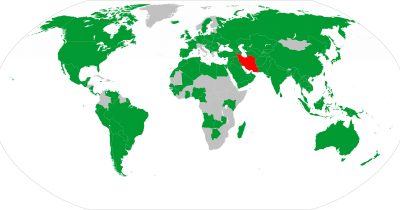
Iran coach criticizes USA treatment, urges FIFA intervention for future World Cups Amir Ghalenoei calls his squad 'the most oppressed' team at the 2026 tournament after travel restrictions and visa denials disrupt preparations Share Add us on Google by Editorial Team Jun. 27, 2026 Iran’s national team coach Amir Ghalenoei has publicly blasted the treatment his squad has received from US authorities during the 2026 FIFA World Cup, describing his players as “the most oppressed” team in the tournament. The complaints center on travel restrictions that have forced the Iranian delegation to shuttle back to Mexico immediately after playing matches on US soil.
Following a 1-1 draw against Egypt on June 26, Ghalenoei didn’t hold back. He urged FIFA to step in and establish protections that would prevent host nations from imposing similar logistical burdens on participating teams in future tournaments. Same-day returns and denied visas The team has been required to return to Tijuana on the same day as their matches played at US venues.
Advertisement Key support staff, including the head of Iran’s football federation, were denied visas entirely. These complaints didn’t materialize overnight. Issues have been consistent since mid-June, suggesting a systemic problem with hosting arrangements rather than isolated incidents.
US officials have maintained that the return-to-Mexico travel requirement was an established protocol, rooted in existing entry policies between the two nations. Partial concessions and FIFA involvement US authorities did eventually ease some restrictions. The Iranian squad was permitted to enter the country two days before certain matches, giving them at least a modest window for preparation and acclimatization.
FIFA president Gianni Infantino met with the Iranian delegation. Ghalenoei’s criticism isn’t just about Iran’s experience at this particular tournament. He’s making a forward-looking argument: FIFA needs to establish clear guidelines that prevent host countries from leveraging their domestic policies to create unequal playing conditions.
What this means for FIFA’s hosting model The 2026 World Cup is spread across the US, Mexico, and Canada, making it the first tournament hosted by three nations simultaneously. That tri-country format has exposed a vulnerability in FIFA’s hosting framework: what happens when one of the host nations has adversarial diplomatic relationships with participating teams? Disclosure: This article was edited by Editorial Team.
For more information on how we create and review content, see our Editorial Policy. SOCCER Iran coach criticizes USA treatment, urges FIFA intervention for future World Cups Amir Ghalenoei calls his squad 'the most oppressed' team at the 2026 tournament after travel restrictions and visa denials disrupt preparations by Editorial Team Jun. 27, 2026 Share Add us on Google Iran’s national team coach Amir Ghalenoei has publicly blasted the treatment his squad has received from US authorities during the 2026 FIFA World Cup, describing his players as “the most oppressed” team in the tournament.
The complaints center on travel restrictions that have forced the Iranian delegation to shuttle back to Mexico immediately after playing matches on US soil. Following a 1-1 draw against Egypt on June 26, Ghalenoei didn’t hold back. He urged FIFA to step in and establish protections that would prevent host nations from imposing similar logistical burdens on participating teams in future tournaments.
Same-day returns and denied visas The team has been required to return to Tijuana on the same day as their matches played at US venues. Advertisement Key support staff, including the head of Iran’s football federation, were denied visas entirely. These complaints didn’t materialize overnight.
Issues have been consistent since mid-June, suggesting a systemic problem with hosting arrangements rather than isolated incidents. US officials have maintained that the return-to-Mexico travel requirement was an established protocol, rooted in existing entry policies between the two nations. Partial concessions and FIFA involvement US authorities did eventually ease some restrictions.
The Iranian squad was permitted to enter the country two days before certain matches, giving them at least a modest window for preparation and acclimatization. FIFA president Gianni Infantino met with the Iranian delegation. Ghalenoei’s criticism isn’t just about Iran’s experience at this particular tournament.
He’s making a forward-looking argument: FIFA needs to establish clear guidelines that prevent host countries from leveraging their domestic policies to create unequal playing conditions. What this means for FIFA’s hosting model The 2026 World Cup is spread across the US, Mexico, and Canada, making it the first tournament hosted by three nations simultaneously. That tri-country format has exposed a vulnerability in FIFA’s hosting framework: what happens when one of the host nations has adver
Đọc thêm từ Tiền số / Crypto

Rangers manager Derek McInnes pursues Ben Godfrey loan from Atalanta
McInnes' strategic squad reshaping at Rangers could enhance defensive stability, potentially boosting their competitive edge in Scottish football. The post Rangers manager Derek McInnes pursues Ben Godfrey loan from Atalanta appeared first on Crypto Briefing.

$1,000 Invested in Nvidia at IPO: The Return Is Hard to Believe
Right now, the Nvidia IPO return is something that still makes traders pause for a second look. An…
SharpLink’s First ETH Buy Since October: Can Corporate Ether Treasuries Survive Paper Losses?
5,000 ETH inflow to SharpLink was its first buy since Oct 2025 as ETH hit 2026 lows. Reported $3,609 cost basis spotlights paper-loss risk for corporate treasuries.
Binance Co-Founder Shuts Down Criticism, Reaffirms Trust as bStocks Hits $100M AUM
Binance's co-founder reaffirms the company's security standards, noting that it is more focused on its long-term trust than on whatever the public may think.