Iran and US agree to halt war and reopen Strait of Hormuz, sending oil prices tumbling
The agreement could reshape global energy dynamics, influence crypto markets, and test international regulatory frameworks on sanctions. The post Iran and US agree to halt war and reopen Strait of Hormuz, sending oil prices tumbling appeared first on Crypto Briefing.
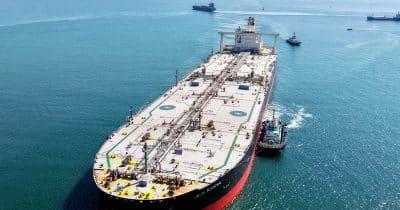
Iran and US agree to halt war and reopen Strait of Hormuz, sending oil prices tumbling The framework deal to restore shipping through the world's most critical oil chokepoint sent crude prices plunging up to 9%, with ripple effects already hitting crypto markets Share Add us on Google by Editorial Team Jun. 15, 2026 The war that rattled global energy markets for nearly four months may finally have an off-ramp. Iran and the United States have reached a framework agreement to halt hostilities and reopen the Strait of Hormuz to commercial shipping, a development that immediately cratered oil prices and sent shockwaves through every asset class tied to energy.
Crude prices dropped more than 4% in Asian trading following the announcement, with intraday swings reaching as much as 9%. The Strait of Hormuz handles roughly 20% of the world’s oil and liquefied natural gas flows. How we got here The conflict traces back to February 28, 2026, when hostilities between Iran and the US escalated into open confrontation.
By March, Iran had effectively closed the Strait of Hormuz. The US responded with a naval blockade of Iranian ports. Advertisement A temporary ceasefire was reached in April 2026, offering a brief reprieve, but it barely held.
In May 2026, a memorandum extended the truce for 60 days while both sides attempted to address the thornier issues: nuclear concerns, sanctions relief, and the mechanics of actually reopening the waterway. That memorandum laid the groundwork for the framework agreement announced this weekend. President Trump took to Truth Social to mark the occasion: “Let the oil flow!”
Switzerland is reportedly the likely venue for the formal signing, though the deal’s finer details, particularly around enforcement mechanisms and uranium handling, remain under negotiation. The oil price impact and what it signals One wrinkle worth watching: Iran has floated transit fees of up to $2 million per vessel passing through its waters. Whether that fee structure survives the final agreement will matter for the actual cost of moving oil through the region even after hostilities officially end.
Notably, the framework agreement aims for toll-free reopening of the Strait of Hormuz, which stands in tension with Iran’s stated transit fee proposal. The crypto angle no one expected The framework agreement has surfaced discussions about Iran potentially accepting cryptocurrency for toll payments on its waterways, with Bitcoin and Tether specifically mentioned as options. Investors should also watch how this agreement interacts with existing sanctions infrastructure.
If Iran gains access to crypto payment rails as part of the deal’s implementation, it raises questions about compliance frameworks, exchange exposure, and whether regulators will treat these transactions differently from standard sanctions-related crypto flows. The enforcement details that are still being negotiated could end up being more consequential for crypto markets than the headline ceasefire itself. Disclosure: This article was edited by Editorial Team.
For more information on how we create and review content, see our Editorial Policy. MACRO Iran and US agree to halt war and reopen Strait of Hormuz, sending oil prices tumbling The framework deal to restore shipping through the world's most critical oil chokepoint sent crude prices plunging up to 9%, with ripple effects already hitting crypto markets by Editorial Team Just now ago Share Add us on Google The war that rattled global energy markets for nearly four months may finally have an off-ramp. Iran and the United States have reached a framework agreement to halt hostilities and reopen the Strait of Hormuz to commercial shipping, a development that immediately cratered oil prices and sent shockwaves through every asset class tied to energy.
Crude prices dropped more than 4% in Asian trading following the announcement, with intraday swings reaching as much as 9%. The Strait of Hormuz handles roughly 20% of the world’s oil and liquefied natural gas flows. How we got here The conflict traces back to February 28, 2026, when hostilities between Iran and the US escalated into open confrontation.
By March, Iran had effectively closed the Strait of Hormuz. The US responded with a naval blockade of Iranian ports. Advertisement A temporary ceasefire was reached in April 2026, offering a brief reprieve, but it barely held.
In May 2026, a memorandum extended the truce for 60 days while both sides attempted to address the thornier issues: nuclear concerns, sanctions relief, and the mechanics of actually reopening the waterway. That memorandum laid the groundwork for the framework agreement announced this weekend. President Trump took to Truth Social to mark the occasion: “Let the oil flow!”
Switzerland is reportedly the likely venue for the formal signing, though the deal’s finer details, particularly around enforcement mechanisms and uranium handling, remain under negotiation. The oil price impact and what
Đọc thêm từ Tiền số / Crypto

Switzerland team prepares for World Cup without Xherdan Shaqiri
Switzerland's World Cup strategy must adapt without Shaqiri, potentially reshaping team dynamics and leadership roles for future tournaments. The post Switzerland team prepares for World Cup without Xherdan Shaqiri appeared first on Crypto Briefing.
Razorpay files for IPO, joining wave of Indian startups choosing the confidential route
Razorpay's IPO move highlights a trend of Indian startups cautiously navigating public markets, balancing growth with profitability amid regulatory challenges. The post Razorpay files for IPO, joining wave of Indian startups choosing the confidential route appeared first on Crypt

Polymarket indicates 44% chance Trump meets Zelensky this month
The fluctuating probabilities in prediction markets highlight the volatility of political events and their impact on investor sentiment and market dynamics. The post Polymarket indicates 44% chance Trump meets Zelensky this month appeared first on Crypto Briefing.

ECB raises interest rates for first time since 2023 as energy crisis spreads through economy
The ECB's rate hike amid the energy crisis may slow economic growth, heighten inflation risks, and impact investment strategies in Europe. The post ECB raises interest rates for first time since 2023 as energy crisis spreads through economy appeared first on Crypto Briefing.