Iran and US agree to halt strikes, plan meetings this week as ceasefire hangs by a thread
The fragile ceasefire's impact on global oil flow and crypto markets underscores the geopolitical stakes and economic volatility involved. The post Iran and US agree to halt strikes, plan meetings this week as ceasefire hangs by a thread appeared first on Crypto Briefing.
Iran and US agree to halt strikes, plan meetings this week as ceasefire hangs by a thread The memorandum of understanding signed between Washington and Tehran aims to pause hostilities and reopen the Strait of Hormuz, but mutual accusations and fresh strikes suggest the deal is already under strain. Share Add us on Google by Editorial Team Jun. 28, 2026 The United States and Iran have agreed to stop shooting at each other and sit down for talks.
The two nations signed a memorandum of understanding on June 17 aimed at halting the conflict that erupted during the 2026 Iran War. The deal extends the ceasefire for 60 days, buying both sides time to negotiate over Iran’s nuclear program and other long-simmering disputes. Follow-up meetings are scheduled for this week in Switzerland, where technical discussions on implementing the agreement are set to take place.
What the deal actually says The MoU covers more than just a pause in fighting. One of its most consequential provisions involves the Strait of Hormuz, a chokepoint through which roughly a fifth of the world’s oil supply flows on any given day. Advertisement Under the agreement, traffic through the strait is to be restored within 30 days, with Iran managing operations during the negotiation period.
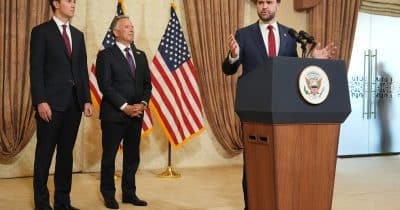
The key players at the negotiating table are US President Donald Trump and Iranian President Masoud Pezeshkian. Their respective delegations were set to meet June 28-29 in Switzerland for the next round of discussions. The ceasefire is already cracking As recently as June 27-28, both the US and Iran exchanged military strikes.
Both sides accused the other of violating the terms of the MoU. If you’re keeping score at home, that’s roughly ten days between signing a peace agreement and allegedly breaking it. Earlier negotiations had already been delayed by escalating regional tensions involving Israel and militant proxies.
What this means for crypto markets When the initial ceasefire and peace talks were announced in mid-June, Bitcoin rallied past $66,000. The move reflected a broader risk-on sentiment, with traders interpreting de-escalation as a green light for speculative assets. Market volatility returned as investors reassessed their risk exposure when the strikes resumed.
The US sanctioned Iran’s major crypto exchange, Nobitex, earlier in June for allegedly helping Tehran evade sanctions. Disclosure: This article was edited by Editorial Team. For more information on how we create and review content, see our Editorial Policy.
MACRO Iran and US agree to halt strikes, plan meetings this week as ceasefire hangs by a thread The memorandum of understanding signed between Washington and Tehran aims to pause hostilities and reopen the Strait of Hormuz, but mutual accusations and fresh strikes suggest the deal is already under strain. by Editorial Team Jun. 28, 2026 Share Add us on Google The United States and Iran have agreed to stop shooting at each other and sit down for talks.
The two nations signed a memorandum of understanding on June 17 aimed at halting the conflict that erupted during the 2026 Iran War. The deal extends the ceasefire for 60 days, buying both sides time to negotiate over Iran’s nuclear program and other long-simmering disputes. Follow-up meetings are scheduled for this week in Switzerland, where technical discussions on implementing the agreement are set to take place.
What the deal actually says The MoU covers more than just a pause in fighting. One of its most consequential provisions involves the Strait of Hormuz, a chokepoint through which roughly a fifth of the world’s oil supply flows on any given day. Advertisement Under the agreement, traffic through the strait is to be restored within 30 days, with Iran managing operations during the negotiation period.
The key players at the negotiating table are US President Donald Trump and Iranian President Masoud Pezeshkian. Their respective delegations were set to meet June 28-29 in Switzerland for the next round of discussions. The ceasefire is already cracking As recently as June 27-28, both the US and Iran exchanged military strikes.
Both sides accused the other of violating the terms of the MoU. If you’re keeping score at home, that’s roughly ten days between signing a peace agreement and allegedly breaking it. Earlier negotiations had already been delayed by escalating regional tensions involving Israel and militant proxies.
What this means for crypto markets When the initial ceasefire and peace talks were announced in mid-June, Bitcoin rallied past $66,000. The move reflected a broader risk-on sentiment, with traders interpreting de-escalation as a green light for speculative assets. Market volatility returned as investors reassessed their risk exposure when the strikes resumed.
The US sanctioned Iran’s major crypto exchange, Nobitex, earlier in June for allegedly helping Tehran evade sanctions. Disclosure: This article was edited by Editorial Team. For more information on how we create an
Đọc thêm từ Tiền số / Crypto
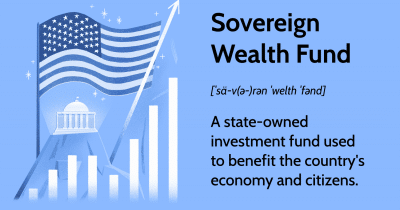
Sovereign wealth funds are pouring hundreds of billions into private AI deals, and it’s reshaping how capital flows
Sovereign wealth funds' focus on private AI investments may limit public market access to high-growth AI firms, altering traditional investment dynamics. The post Sovereign wealth funds are pouring hundreds of billions into private AI deals, and it’s reshaping how capital flows a

Japan loses star attacker Kubo to knee injury ahead of World Cup showdown with Brazil
Japan's tactical adjustments without Kubo could redefine their World Cup strategy, impacting team dynamics and competitive balance against Brazil. The post Japan loses star attacker Kubo to knee injury ahead of World Cup showdown with Brazil appeared first on Crypto Briefing.

OpenAI mulls delaying IPO to 2027 amid AI market volatility
OpenAI's IPO delay highlights investor caution in AI, potentially affecting tech sector confidence and future AI stock valuations. The post OpenAI mulls delaying IPO to 2027 amid AI market volatility appeared first on Crypto Briefing.
Ripple CEO Sees Massive XRP Opportunity in $16 Trillion Payment Flows
Ripple CEO Brad Garlinghouse outlined XRP’s role in institutional payments, citing $16 trillion in annual payments and clearing activity across businesses Ripple added through acquisitions, where digital asset usage remains minimal. Garlinghouse Positions XRP Within Institutional