Iran accuses US of ceasefire violation amid regional conflict escalation
The escalation risks destabilizing the region, impacting global oil markets and straining international diplomatic relations further. The post Iran accuses US of ceasefire violation amid regional conflict escalation appeared first on Crypto Briefing.
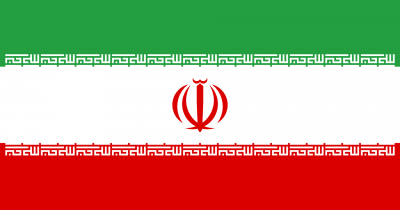
Wikipedia/Flag_of_Iran_(official).svg Iran accuses US of ceasefire violation amid regional conflict escalation Strait of Hormuz traffic normality Share Add us on Google by Estefano Gomez Jul. 12, 2026 The ongoing conflict between Iran and a coalition of the United States and Israel has intensified, with Iranian forces launching attacks on several regional countries.
Concurrently, Iranian politician Mohammad Bagher Ghalibaf has accused the U.S. of violating a ceasefire agreement.
This development marks a significant escalation in the conflict, which began with preemptive strikes by the U.S. and Israel on Iranian military and governmental targets, including the assassination of Iran’s Supreme Leader Ayatollah Ali Khamenei.
Iran’s recent military actions, targeting U.S. bases in regional countries such as Bahrain and Kuwait, suggest a shift from limited skirmishes to a full-scale regional war.
These moves have drawn widespread condemnation from neighboring countries, including Qatar, Bahrain, Kuwait, Saudi Arabia, and the UAE. The accusation by Ghalibaf adds another layer of complexity, potentially straining international relations further. Advertisement In the financial markets, this escalation is reflected in prediction market pricing concerning the Strait of Hormuz, a critical oil passageway.
The probability of traffic normalization by the end of the year has been observed to decrease, suggesting that market participants are factoring in increased regional instability due to the ongoing conflict and accusations against the U.S. Key Takeaways The accusation by Ghalibaf against the U.
S. appears to indicate heightened tensions in the ongoing conflict. Iran’s military actions against regional countries are consistent with scenarios where the conflict escalates into a broader regional war.
Market pricing suggests decreased confidence in the normalization of traffic through the Strait of Hormuz by December 31. What to Watch Observers should monitor statements from key regional actors, including Iran’s leadership and U.S.
military officials, for any indications of de-escalation or further escalation. Any diplomatic engagements or announcements of ceasefire agreements could shift market perceptions significantly. Additionally, attention should be paid to any military maneuvers that could impact the stability of the Strait of Hormuz, a vital waterway for global oil shipments.
Get live prediction-market analysis, powered by Vera. Sign up for Vera. Disclosure: This article was edited by Estefano Gomez.
For more information on how we create and review content, see our Editorial Policy. MACRO Iran accuses US of ceasefire violation amid regional conflict escalation Strait of Hormuz traffic normality by Estefano Gomez Jul. 12, 2026 Share Add us on Google Wikipedia/Flag_of_Iran_(official).
svg The ongoing conflict between Iran and a coalition of the United States and Israel has intensified, with Iranian forces launching attacks on several regional countries. Concurrently, Iranian politician Mohammad Bagher Ghalibaf has accused the U.S.
of violating a ceasefire agreement. This development marks a significant escalation in the conflict, which began with preemptive strikes by the U.S.
and Israel on Iranian military and governmental targets, including the assassination of Iran’s Supreme Leader Ayatollah Ali Khamenei. Iran’s recent military actions, targeting U.S.
bases in regional countries such as Bahrain and Kuwait, suggest a shift from limited skirmishes to a full-scale regional war. These moves have drawn widespread condemnation from neighboring countries, including Qatar, Bahrain, Kuwait, Saudi Arabia, and the UAE. The accusation by Ghalibaf adds another layer of complexity, potentially straining international relations further.
Advertisement In the financial markets, this escalation is reflected in prediction market pricing concerning the Strait of Hormuz, a critical oil passageway. The probability of traffic normalization by the end of the year has been observed to decrease, suggesting that market participants are factoring in increased regional instability due to the ongoing conflict and accusations against the U.S.
Key Takeaways The accusation by Ghalibaf against the U.S. appears to indicate heightened tensions in the ongoing conflict.
Iran’s military actions against regional countries are consistent with scenarios where the conflict escalates into a broader regional war. Market pricing suggests decreased confidence in the normalization of traffic through the Strait of Hormuz by December 31. What to Watch Observers should monitor statements from key regional actors, including Iran’s leadership and U.
S. military officials, for any indications of de-escalation or further escalation. Any diplomatic engagements or announcements of ceasefire agreements could shift market perceptions significantly.
Additionally, attention should be paid to any military maneuvers that could impact the stability of the Strait of Hormuz, a vita
Đọc thêm từ Tiền số / Crypto
Nvidia investors need to pay attention on July 16
Nvidia's strategic engagement in China amid export restrictions highlights the growing importance of sovereign AI and decentralized computing. The post Nvidia investors need to pay attention on July 16 appeared first on Crypto Briefing.
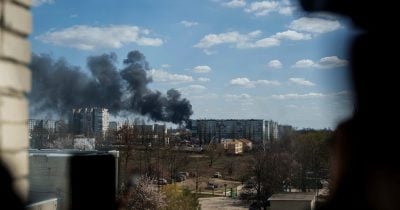
Russian strike near Sumy coffee shop causes panic, civilian flight
The escalation in Sumy underscores the persistent threat to Ukrainian defenses and highlights the stalled diplomatic efforts amid ongoing conflict. The post Russian strike near Sumy coffee shop causes panic, civilian flight appeared first on Crypto Briefing.

US government moves to restrict Chinese open-weight AI models after repeated distillation warnings
US restrictions on Chinese AI models may inadvertently boost decentralized AI and crypto markets, challenging regulatory control efforts. The post US government moves to restrict Chinese open-weight AI models after repeated distillation warnings appeared first on Crypto Briefing.

Senegal fires head coach Pape Thiaw after World Cup exit, exposing a football federation in crisis
Senegal's coaching change highlights deeper systemic issues within its football federation, risking future competitiveness and financial stability. The post Senegal fires head coach Pape Thiaw after World Cup exit, exposing a football federation in crisis appeared first on Crypto